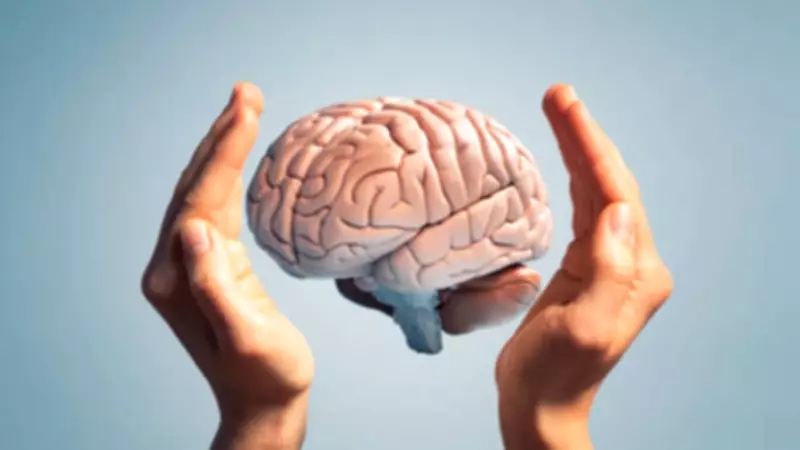
Your Brain Needs Regular Workouts Too: Expert Neurologist Reveals How to Train Your Mind Like Your Body
We all recognize the importance of physical exercise—walking more, lifting weights, and stretching regularly. However, we often overlook that our brain requires consistent training just like any other muscle in our body. It's not merely about occasional crossword puzzles; it's about engaging in meaningful cognitive activities that challenge and strengthen neural connections.
Your brain functions similarly to other organs: without regular use, it can become sluggish. When you actively challenge it through activities such as learning a new language, playing a musical instrument, engaging in deep reading, or having substantial conversations, you foster the development of new neural pathways. This process is essential for maintaining sharp thinking and robust memory retention.
In today's highly automated lifestyle, brain exercise has become increasingly critical. We depend on GPS for navigation instead of memorizing routes, we scroll through content without focused attention, and we constantly multitask. Over time, these habits can significantly impair attention span and diminish mental stamina, making proactive cognitive training more vital than ever.

Understanding Brain Exercise from a Neurological Perspective
TOI Health recently interviewed Dr. Vivek Kumar, Principal Director of Neurology at Max Super Speciality Hospital in Patparganj, to delve into the significance of brain exercises and daily practices that enhance cognitive sharpness. According to Dr. Kumar, mental exercises are fundamental for preserving cognitive health, mitigating age-related decline, and bolstering mental resilience.
Dr. Vivek Kumar explains: "Engaging in puzzles, Sudoku, acquiring new skills or hobbies, and practicing mindfulness can substantially improve memory, attention, and emotional regulation. These activities stimulate the brain, promoting neural plasticity and overall mental well-being."
The Detrimental Impact of Multitasking on Cognitive Function
Multitasking is often perceived as efficient, but Dr. Kumar highlights its negative effects on the brain. It significantly hinders cognitive function and productivity by causing task-switching penalties, which can reduce efficiency by up to 40%. Chronic multitasking not only shortens attention spans but also increases the risk of burnout and safety hazards, such as distracted driving.
An American Psychological Association survey indicates that approximately 40% of adults regularly multitask with digital devices, leading to heightened self-reported stress and decreased productivity. Chronic multitaskers exhibit poorer working memory performance and greater difficulty filtering out irrelevant information, resulting in elevated mental fatigue and stress levels.
Measurable Benefits of Meditation and Mindfulness Practices
Meditation and mindfulness are powerful, evidence-based tools that offer numerous health benefits. Recent studies suggest these practices can help manage anxiety, stress, depression, pain, and symptoms related to substance withdrawal. By anchoring attention to the present moment without judgment, they reduce cortisol levels, lower blood pressure, alleviate anxiety, and enhance cognitive functions.
Dr. Kumar emphasizes: "Meditation and mindfulness serve as effective strategies for reducing stress, improving mental clarity, and promoting emotional regulation. Techniques like breathing exercises and quiet contemplation are integral to maintaining cognitive health."
Early Warning Signs of Declining Cognitive Health
Recognizing early indicators that cognitive health may need attention is crucial for timely intervention. Key warning signs include:

- Memory loss that disrupts daily activities
- Poor judgment leading to detrimental decisions
- Loss of spontaneity and initiative
- Confusion about dates or current location
- Increased time to complete routine tasks
- Repetitive questioning or forgetting recently learned information
- Misplacing items in unusual locations
- Noticeable changes in mood and personality
Three Daily Habits for a Sharper Brain Recommended by a Neurologist
Dr. Vivek Kumar advocates for three daily practices to enhance brain sharpness:
- Solving puzzles like Sudoku: Engages problem-solving skills and boosts cognitive agility.
- Learning new skills or hobbies: Stimulates neural growth and adaptability.
- Increasing social interaction: Promotes emotional well-being and cognitive stimulation through meaningful conversations.
Incorporating these habits into your daily routine can significantly contribute to long-term cognitive fitness, ensuring your brain remains as active and healthy as your body.