

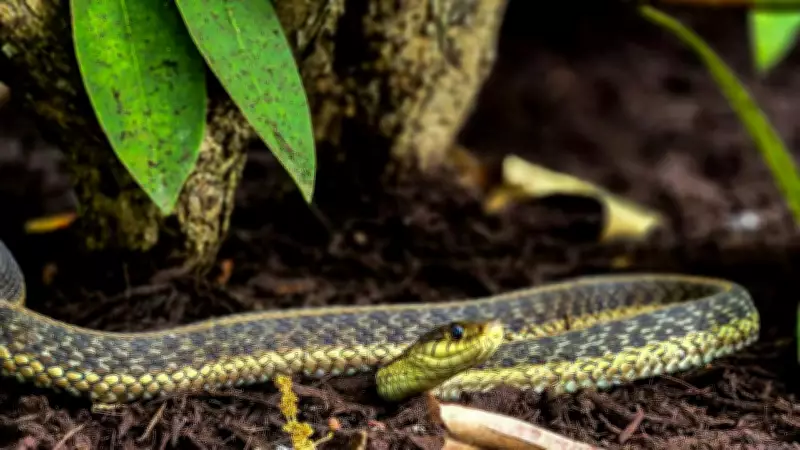
Oleander Shrubs May Create Snake-Friendly Gardens, Research Reveals
Many homeowners cherish their gardens as peaceful sanctuaries where they can nurture plants, cultivate flowers, and relax outdoors. However, certain landscaping choices, particularly the planting of specific shrubs, can inadvertently transform these spaces into environments that attract wildlife, including snakes. Recent discussions about garden safety have highlighted how one popular ornamental plant may create conditions favorable to snakes without directly attracting them.
The Oleander Connection: How Dense Shrubs Create Snake Habitats
Oleander is widely cultivated across many regions due to its hardiness, drought tolerance, and prolonged flowering periods. This shrub often grows thick and dense, with foliage extending close to the ground. This growth pattern creates cool, shaded areas beneath the plant that provide excellent shelter from the elements.
While snakes do not consume plants and show no particular affinity for oleander itself, the dense cover it offers serves multiple purposes for reptiles. Snakes utilize such environments to hide from predators, regulate body temperature, and rest during hot weather. The structural characteristics of the shrub, rather than any chemical properties, make it potentially attractive to snakes seeking refuge.

Scientific Insights into Snake Habitat Preferences
Research published in the Journal of Thermal Biology utilized radiotelemetry to study free-living snakes and discovered that these reptiles actively move between shaded and open areas throughout the day to maintain stable body temperatures. This behavior is particularly pronounced during warm weather when temperature regulation becomes crucial.
Further studies reinforce these findings. Research published in Herpetological Conservation and Biology titled 'Shelter Site Selection and Fidelity in Snakes' found that snakes frequently return to locations featuring rocks, dense vegetation, and ground-level cover. These sites provide essential resting and cooling opportunities, while open, exposed areas are generally avoided.
Another investigation published in Landscape Ecology examined reptile movement in restored grasslands and concluded that vegetation characteristics—including height, density, and ground cover—have greater influence on snake presence than specific plant species. Areas with layered or cluttered vegetation hosted more snakes than clear, open spaces.
A comprehensive study in Conservation Science and Practice titled 'Landscape Configuration Predicts Snake Occurrence in Agricultural Ecosystems' reported similar results. This research identified woody cover amount, vegetation density, and habitat layout as reliable predictors of snake presence, while individual plant species showed no significant effect on reptile activity.
How Garden Design Influences Snake Movement
Gardens featuring dense shrubs, leaf piles, stacked wood, or stone structures often create microhabitats that snakes can exploit for concealment. Research on reptile movement patterns indicates that snakes typically travel through connected shaded areas rather than crossing open spaces.
When oleander bushes are planted close together or near walls, they can create continuous shaded corridors that facilitate discreet snake movement through garden spaces. This connectivity allows snakes to navigate gardens with minimal exposure to potential threats.
Common Misconceptions About Plants and Snakes
Some gardeners believe certain plants can repel or attract snakes through emitted scents or chemicals, but scientific evidence does not support this notion. According to research published in Copeia, a peer-reviewed herpetology journal, snakes respond primarily to environmental factors including temperature, shelter availability, and prey presence. Plants influence snake habitat selection only by shaping these underlying conditions.
Practical Steps to Reduce Snake-Friendly Conditions
Research-based wildlife management guidance suggests several strategies to minimize snake presence in gardens:

- Trim shrubs to create visible space underneath, reducing ground-level cover
- Regularly remove leaf litter and debris that can provide hiding spots
- Avoid planting dense clusters of vegetation near home entrances
- Maintain open, well-organized landscapes that offer fewer resting options
Studies on habitat modification demonstrate that open, well-maintained gardens provide fewer attractive resting locations for snakes, encouraging them to move through rather than settle in these spaces.
Understanding how garden design choices affect wildlife can help homeowners create outdoor spaces that balance aesthetic preferences with practical safety considerations. While oleander and similar dense shrubs don't directly attract snakes, their structural characteristics can create environments that reptiles naturally prefer for shelter and temperature regulation.





