

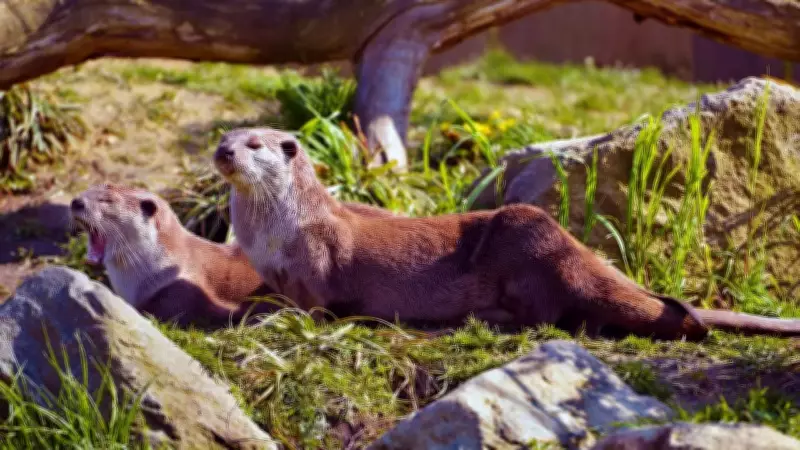
Otters Make Historic Comeback at Delhi Zoo with First Birth in Over Two Decades
In a significant conservation achievement, otters have triumphantly returned to Delhi's National Zoological Park after an absence spanning more than two decades. The zoo authorities have announced the birth of a smooth-coated otter pup in January 2026, describing this event as a major milestone for their ongoing species preservation efforts.
A Long-Awaited Return to the Capital
The newborn represents the first otter to be born at the capital's premier zoological facility since 2004, when the last individual housed there passed away. For over twenty years, the species had been completely absent from the zoo's collection, making this birth particularly momentous for conservationists and wildlife enthusiasts alike.
Strategic Animal Exchange Program Bears Fruit
The successful breeding resulted from a carefully coordinated animal exchange initiative between zoological parks. The parent otters—a breeding pair of smooth-coated otters—were transferred to Delhi last year from Kamla Nehru Zoological Park in Surat, Gujarat.

Following standard protocols, the animals underwent a mandatory quarantine period upon arrival. During this critical acclimatization phase, veterinary staff closely monitored the otters while keeping them separated from public viewing areas to minimize stress and ensure proper adjustment to their new environment.
Unexpected Pregnancy and Renewed Conservation Hope
Zoo authorities revealed that shortly after the otters' arrival, examinations confirmed the female was already pregnant. This discovery has generated renewed optimism among wildlife officials about rebuilding a stable otter population within the capital's zoological institution.
Experts explain that once animals successfully adapt to their surroundings, natural breeding typically follows, thereby ensuring the long-term survival of the species. The reintroduction has also marginally increased the zoo's overall species count, which now exceeds 96 different animal varieties.
India's Otter Diversity and Conservation Significance
India hosts three of the world's thirteen recognized otter species: the Eurasian otter, smooth-coated otter, and small-clawed otter. The smooth-coated otter—the species now successfully breeding in Delhi—enjoys a broad distribution across much of the country south of the Himalayan mountain range.
In contrast, the Eurasian and small-clawed otters are primarily confined to the Himalayan region, areas north of the Ganges River, and specific parts of southern India. This geographical distribution makes the smooth-coated otter particularly suitable for captive breeding programs in Delhi's climate conditions.
Behavioral Challenges and Veterinary Care
Zoo authorities estimate both adult otters to be between three and four years old. However, the male recently required medical attention after displaying signs of health concerns. Officials explained that during nursing periods, female otters exhibit highly protective behavior, sometimes restricting access to their pups and even preventing males from feeding normally.
This natural behavioral pattern reportedly caused the male to reduce his food intake, necessitating veterinary intervention. While his current health status remains under observation, zoo staff continue to monitor his condition closely as part of their comprehensive care protocol.
Gradual Public Introduction Planned
Authorities have outlined plans for a phased public introduction of the otter family. The male otter may be displayed to visitors first, possibly within the coming weeks, depending largely on weather conditions. Zoo officials emphasize that otters are particularly sensitive to climate extremes and perform best when temperatures remain moderate.
When weather becomes excessively hot or cold, the animals' wellbeing and activity levels can be adversely affected. Consequently, the introduction of the female and her newborn pup will occur at a later date, ensuring optimal conditions for their health and adjustment to public viewing.

Broader Conservation Implications
Beyond representing a simple new arrival, the January birth symbolizes the return of a species long missing from Delhi's zoological collection. Wildlife authorities view this development as concrete evidence that structured animal exchange programs, when combined with careful habitat management and sustained veterinary supervision, can yield positive conservation outcomes.
This successful breeding initiative marks a significant step forward in efforts to strengthen captive breeding programs for vulnerable species across India's network of zoological parks and conservation facilities.





