

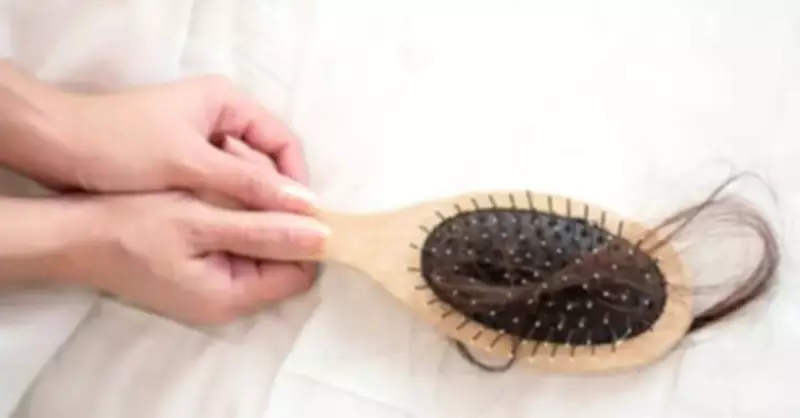
Ozempic Hair Loss: Unpacking the Weight Loss Drug's Hidden Side Effect
If you've been following health and beauty trends, you've likely heard of Ozempic—the type 2 diabetes medication that has become a viral sensation for weight loss. Amidst the dramatic transformations and social media buzz, a quieter concern is emerging: hair fall. Searches for "Ozempic side effects" increasingly highlight users reporting thinner, weaker hair or increased shedding. But what's really happening? Let's dive into the facts behind this phenomenon.
What Is Ozempic and How Does It Work?
Ozempic is a prescription drug containing semaglutide, designed to manage blood sugar levels in type 2 diabetes patients. Its mechanism involves slowing digestion, reducing appetite, and promoting prolonged fullness, which often leads to rapid weight loss. This unintended benefit has propelled its popularity beyond diabetes care, but such sudden bodily changes can trigger unexpected reactions.
Is Ozempic Directly Causing Hair Loss?
Short answer: No, not directly. There is no robust scientific evidence that Ozempic damages hair follicles. However, the connection lies in the rapid weight loss many users experience. This can induce a temporary condition called Telogen Effluvium, where stress pushes more hair into the shedding phase.

Understanding Telogen Effluvium
Hair naturally cycles through growth, rest, and shedding phases. When the body undergoes significant stress—like swift weight loss—it may shift more hairs into the shedding phase simultaneously. This results in noticeable hair fall, typically appearing a few months after the trigger, which explains why users might not immediately link it to Ozempic.
Why Rapid Weight Loss Impacts Hair Health
During rapid weight loss, the body prioritizes vital functions over non-essentials like hair growth. Additionally, nutritional deficiencies often accompany quick shedding of pounds. Key nutrients for hair—such as protein, iron, zinc, biotin, and vitamin D—may become insufficient, exacerbating hair weakness and loss.
Signs of Ozempic-Related Hair Fall
If you're on Ozempic, watch for these indicators:
- Increased hair shedding during washing or brushing
- Clumps of hair coming out
- Reduced hair volume or a thinner ponytail
- More visible scalp areas
Timing is crucial; symptoms often emerge 2–3 months after starting the medication due to the delayed onset of Telogen Effluvium.
The Good News: It's Usually Temporary
Before alarm sets in, know that this type of hair loss is typically not permanent. As the body adapts to weight changes and stabilizes, the hair cycle normalizes, and regrowth begins. Recovery can take several months, depending on individual responses, but patience is key.
Prevention and Mitigation Strategies
While complete prevention might be challenging, these steps can lessen the impact:
- Avoid Crash Diets: Ensure adequate calorie intake even with reduced appetite.
- Boost Protein: Consume eggs, lentils, paneer, and nuts to support keratin production.
- Monitor Nutrients: Check levels of iron, zinc, biotin, and vitamin D through diet or supplements.
- Gentle Hair Care: Refrain from tight hairstyles, heat styling, or harsh treatments.
- Consult a Doctor: Seek professional advice if shedding is severe for potential adjustments or supplements.
Should You Stop Ozempic Due to Hair Fall?
This decision is personal. For some, benefits like improved blood sugar control or weight loss outweigh temporary hair shedding. For others, the emotional toll may be significant. Never alter or discontinue medication without medical guidance. Discuss concerns with your healthcare provider to weigh risks and benefits.
The Bigger Picture: Hidden Costs of Quick Transformations
Ozempic hair fall underscores a broader issue: rapid changes often come with unspoken side effects. Social media glorifies results but rarely shows the adjustment phases. Hair loss is one such reality—a sign of the body adapting, not necessarily malfunctioning.

In summary, Ozempic-related hair loss is generally a temporary response to rapid weight loss, not a direct drug effect. By understanding Telogen Effluvium and supporting your body with proper nutrition and care, you can navigate this phase more smoothly. Remember, true wellness involves holistic health, not just swift outcomes.





