

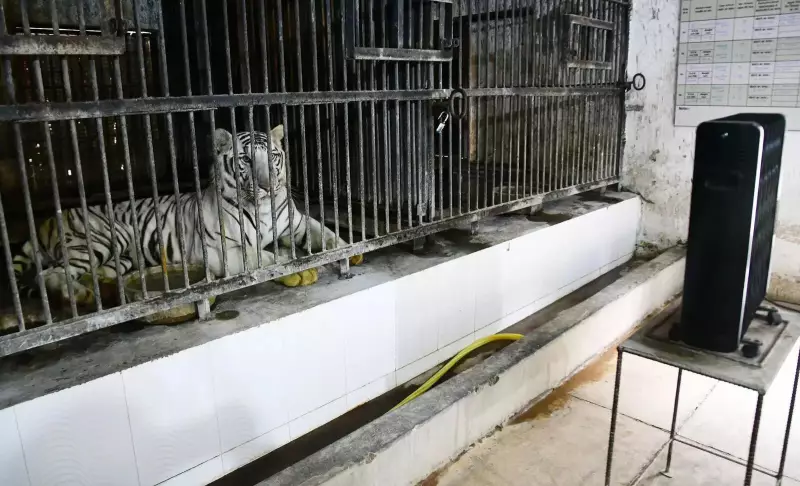
With the mercury plunging to a chilly 10 degrees Celsius in Patna, the authorities at the Sanjay Gandhi Biological Park, popularly known as Patna Zoo, have rolled out an extensive and meticulous winter care regimen for its diverse animal residents. The comprehensive plan involves a mix of modern technology and traditional methods to ensure the well-being of every species, from primates and reptiles to elephants and birds.
Special Diets and Insulation for Mammals and Primates
The zoo's strategy focuses heavily on nutrition and insulation. For the primate family, which includes monkeys, langurs, chimpanzees, lion-tailed macaques, and hoolock gibbons, the diet has been fortified with immunity-boosting foods. A key supplement is Chyawanprash, along with honey, jaggery pudding, amla jam, and seasonal fruits. To provide physical warmth, blankets and oil heaters have been placed in their enclosures, and straw beds have been built for insulation.
Bears are receiving a rich mix of honey, sugarcane, eggs, jaggery pudding, and seasonal fruits. For larger herbivores like zebras and giraffes, paddy straw has been spread generously in their night houses and exhibit areas. Additionally, fencing made from straw and bamboo has been erected around their enclosures to shield them from the biting cold winds.

Heaters, Blankets and Heating Pads for Reptiles and Carnivores
The cold-blooded reptile section, housing species like pythons, cobras, vipers, and dhamins, requires precise temperature control. Zoo director Hemant Patil explained that this year, the zoo has gone a step further by installing heating pads inside the reptile cells, in addition to the standard fluorescent and UV lights. Blankets are also spread on the floor of their cells to provide extra warmth.
The carnivorous animals have not been overlooked. Heaters have been installed in their cells, and their regular diets have been increased to help them generate more body heat during the cold spell. All animals are receiving calcium and multivitamin supplements as part of their enhanced winter nutrition.
Traditional Care for Elephants and Enclosure Protection
The zoo's elephants, known for their natural resilience to cold, are still receiving special pampering. Each elephant gets a daily massage with approximately 1.5 to 2 litres of mustard oil to keep their skin healthy and protected. Their diet is supplemented with sugarcane, soybeans, seasonal fruits, and boiled rice for added energy.
To protect avian inhabitants, the bird enclosures have been carefully fitted with plastic sheets and nets. This measure maintains adequate lighting and ventilation while blocking cold drafts. During periods of intense cold, animal keepers are prioritising the animals' comfort by keeping them in their sheltered night houses and cells, temporarily avoiding public display to minimise stress and exposure.
The concerted efforts by the Patna Zoo administration highlight a proactive approach to animal welfare, ensuring all creatures, big and small, remain healthy and comfortable through the harsh North Indian winter.






