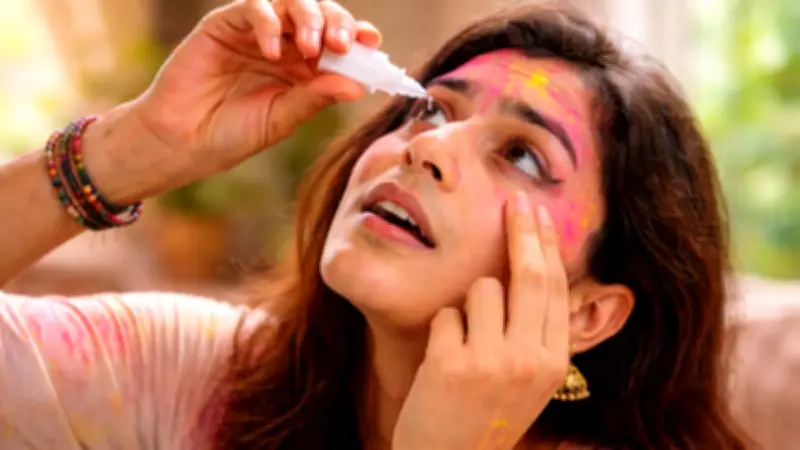
Post-Holi Eye Care: Doctor's Advice on Rinsing vs. Eye Drops
In the aftermath of Holi celebrations, eye care becomes a critical health concern due to the potential exposure to harmful chemicals from synthetic colors. A medical expert has provided detailed guidance on whether rinsing with water or using eye drops is the more effective approach for treating eye irritation and preventing long-term damage.
The Risks of Holi Colors to Eye Health
Synthetic Holi colors often contain chemicals such as lead, mercury, and industrial dyes that can cause severe eye irritation, redness, itching, and in extreme cases, corneal abrasions or infections. The doctor emphasizes that immediate action is necessary upon exposure to mitigate these risks and protect vision.
Rinsing with Water: The First Line of Defense
Rinsing the eyes with clean, lukewarm water is the recommended initial step after chemical exposure. This helps to flush out particles and dilute harmful substances. The doctor advises tilting the head back, gently pulling the eyelids open, and pouring water from the inner corner outward for at least 15-20 minutes. However, this method may not fully address irritation caused by deeper chemical penetration.

Eye Drops: When and How to Use Them
For persistent symptoms like redness or dryness, using lubricating or saline eye drops can provide relief. The doctor cautions against self-medicating with medicated drops without professional advice, as improper use can worsen conditions. Eye drops should be applied after rinsing to soothe the eyes and maintain moisture, but they are not a substitute for thorough cleaning.
Preventive Measures and Additional Tips
- Wear protective eyewear, such as sunglasses or goggles, during Holi to minimize direct contact with colors.
- Avoid rubbing the eyes, as this can push chemicals deeper and cause more damage.
- Seek immediate medical attention if symptoms like severe pain, blurred vision, or discharge occur, as these may indicate a serious infection or injury.
- Use natural or organic colors to reduce the risk of chemical exposure altogether.
By following this expert advice, individuals can enjoy Holi festivities safely while ensuring their eye health remains protected from potential hazards.