

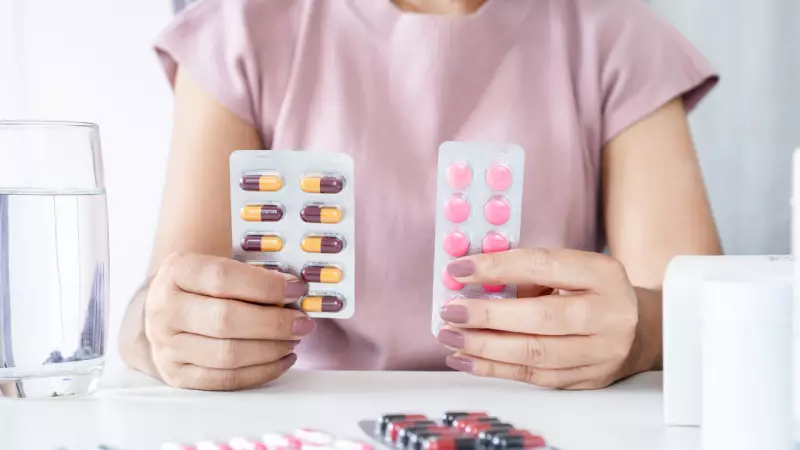
Antibiotics are powerful weapons against bacterial infections, but their impact extends beyond just eliminating harmful pathogens. These essential medicines often act indiscriminately, wiping out both the bad and the beneficial bacteria that reside in our gut. This collateral damage can disrupt digestion, weaken immunity, and upset the body's natural balance. A common question then follows: what is more effective in helping the body recover during and after an antibiotic course – probiotics or vitamins? Let's delve into what scientific research reveals.
The Gut After Antibiotics: An Ecosystem in Disarray
Antibiotics do more than just stop infections; they significantly alter the delicate ecosystem of the gut. Studies consistently show that antibiotic treatment can lead to a substantial reduction in populations of beneficial gut bacteria, such as Lactobacillus and Bifidobacterium. This imbalance, often called dysbiosis, can result in uncomfortable side effects like bloating and diarrhoea. Furthermore, it can leave the immune system compromised for weeks or even months after the medication course ends. The gut requires considerable time to restore its natural flora, underscoring why post-antibiotic care is as crucial as the treatment itself.
Why Probiotics Are the Front-Runners for Gut Repair
Probiotics, frequently termed 'good bacteria,' are live microorganisms that help replenish the gut's healthy flora. Scientific evidence strongly supports their role during and after antibiotic use. Research indicates that taking probiotics can lower the risk of antibiotic-associated diarrhoea by nearly 50%. Specific strains like Lactobacillus rhamnosus GG and Saccharomyces boulardii have been found particularly effective in clinical studies.

These probiotics work by recolonising the intestinal tract, essentially replanting the good bacteria that antibiotics uprooted. They create an environment that discourages harmful bacteria from taking over. Think of them as skilled gardeners who restore order and vitality to a disrupted landscape.
The Supporting Role of Vitamins in Recovery
While vitamins do not directly repopulate gut bacteria, they play a vital supportive role in overall recovery from an antibiotic course. Certain antibiotics can deplete the body's levels of specific vitamins, notably B vitamins and Vitamin K. Supplementing with a B-complex or consuming foods rich in these vitamins can help maintain energy levels and support the body's internal healing processes.
Additionally, Vitamin C is known for its immune-boosting properties, which can aid the body in recovering from the initial infection. However, it is important to understand that vitamins alone cannot restore a disrupted gut microbiome. They act as essential allies, strengthening the system while probiotics do the direct repair work.
The Optimal Strategy: Timing and Combination
The most effective recovery plan involves both probiotics and vitamins, with careful attention to timing. A key rule is to take probiotics a few hours apart from your antibiotic dose. If you take an antibiotic in the morning, for instance, take your probiotic supplement in the afternoon or evening. This spacing prevents the antibiotic from immediately destroying the beneficial probiotic bacteria before they can establish themselves.
Vitamins, on the other hand, can generally be taken at any convenient time, preferably with food to enhance absorption and support overall recovery. The synergy between the two is powerful: one heals the gut directly, while the other strengthens the body's overall resilience.
You can also support your gut naturally through diet:
- Fermented foods like curd (yogurt) are excellent natural sources of probiotics.
- Foods like bananas, oats, and garlic act as prebiotics—they feed the good bacteria and help them thrive.
In conclusion, if the primary goal is to repair gut imbalance, probiotics take the lead. For comprehensive recovery, combining them with vitamins, under professional guidance, offers the best results. It's not a competition but a strategic partnership for optimal health after antibiotics.

Disclaimer: This article is for informational purposes only and does not constitute medical advice. Always consult a doctor or qualified healthcare professional before starting any new supplement during or after antibiotic treatment.





