

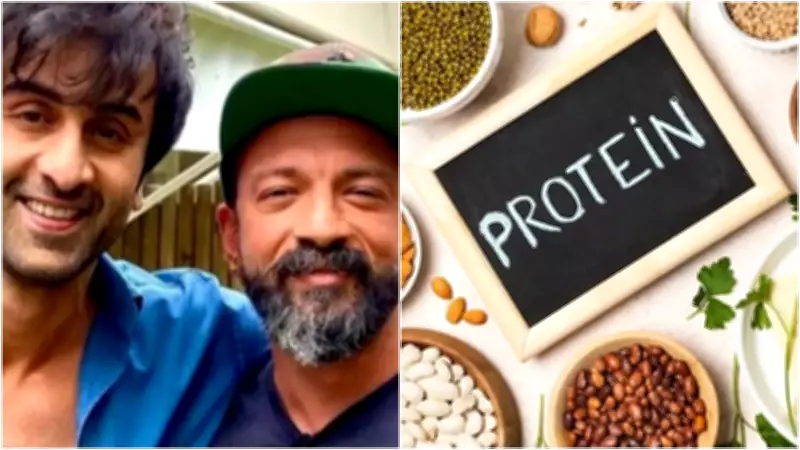
In a recent revelation that has caught the attention of fitness enthusiasts across India, Ranbir Kapoor's personal fitness coach, Shivohaam, has opened up about his dietary journey after adopting a completely vegetarian lifestyle for an entire year. This shift highlights a growing trend in the health and wellness community, where plant-based diets are gaining prominence for their potential benefits in fitness and overall well-being.
Understanding Protein Beyond Animal Sources
During an insightful interview on the Men's Locker Room podcast, hosted on Men's XP's YouTube channel, Shivohaam provided a clear and educational breakdown of what protein truly entails. He explained that many people mistakenly equate protein solely with animal products like chicken, mutton, or eggs. However, he emphasized that protein is fundamentally composed of 20 amino acids, with nine being essential and 11 non-essential.
"The essential amino acids are those that our bodies cannot produce on their own and must be obtained from external sources through our diet," Shivohaam noted. This distinction is crucial for anyone considering a vegetarian or vegan approach to nutrition, as it underscores the importance of strategic food choices to meet protein needs.

Indian Cuisine as a Complete Protein Solution
Shivohaam pointed out that while animal proteins are often labeled as 'complete' because they contain all nine essential amino acids, plant-based proteins can be just as effective when combined thoughtfully. He highlighted the richness of Indian culinary traditions in this regard, stating that common dishes like dal, sabzi, chawal, and a bit of dahi (curd) can together provide a full spectrum of essential amino acids.
"In our Indian culture, the combination of lentils, vegetables, rice, and yogurt creates a balanced meal that naturally covers all protein requirements," he elaborated. This approach not only supports muscle repair and growth but also aligns with cultural dietary practices, making it accessible and sustainable for many individuals.
Expert Insights on Vegetarian Fitness Nutrition
To further validate these claims, we consulted with Garima Goyal, a renowned consultant dietitian and fitness expert. She affirmed that a well-planned vegetarian diet can adequately support muscle maintenance, recovery, immune function, and hormone balance, especially for those engaged in regular training regimens.
Goyal emphasized the importance of combining complementary plant protein sources throughout the day. "Foods such as lentils, chickpeas, beans, tofu, paneer, and seeds should be varied to ensure a complete amino acid profile," she advised. This strategy helps avoid reliance on any single food item and promotes overall nutritional adequacy.
Enhancing Protein Intake with Smart Choices
For athletes and fitness enthusiasts following a vegetarian diet, Goyal recommended incorporating fortified foods and specific plant-based options to boost protein content without excessive fat or calories. Examples include Greek yogurt, cottage cheese, quinoa, soy products, and seeds like chia or pumpkin.
In cases where training demands are higher, she suggested that professionally formulated plant protein supplements might be beneficial, though whole foods should always form the foundation of any diet. "A thoughtful, protein-focused vegetarian diet, when paired with consistent exercise, can effectively support performance, recovery, and long-term health," Goyal concluded.
The Bigger Picture: Health Beyond Vegetarianism
It is essential to recognize that simply adopting a vegetarian diet does not automatically lead to better health outcomes. The quality and balance of food choices play a pivotal role. A diet heavy in refined carbohydrates or processed vegetarian snacks may still fall short of nutritional goals, underscoring the need for mindful eating habits.
Shivohaam's year-long commitment to vegetarianism serves as a powerful example that dietary patterns can be adapted to personal values and fitness objectives without compromising results. As Goyal aptly put it, "Success in nutrition comes from careful planning, dietary variety, and a focus on nutrient-dense foods that efficiently fuel the body."

This discussion not only sheds light on practical protein sources for vegetarians but also encourages a broader conversation about sustainable and culturally relevant approaches to fitness nutrition in India.





