

Raw Papaya vs Ripe Papaya: A Diabetes Management Guide
For individuals managing diabetes, dietary choices are crucial, and fruits often present a dilemma due to their natural sugar content. Among the many options, papaya stands out as a popular tropical fruit, but the debate between raw (unripe) and ripe papaya is significant for blood sugar control. Understanding the nutritional differences and health impacts of each can help make informed decisions for better diabetes management.
Nutritional Profile: Raw vs Ripe Papaya
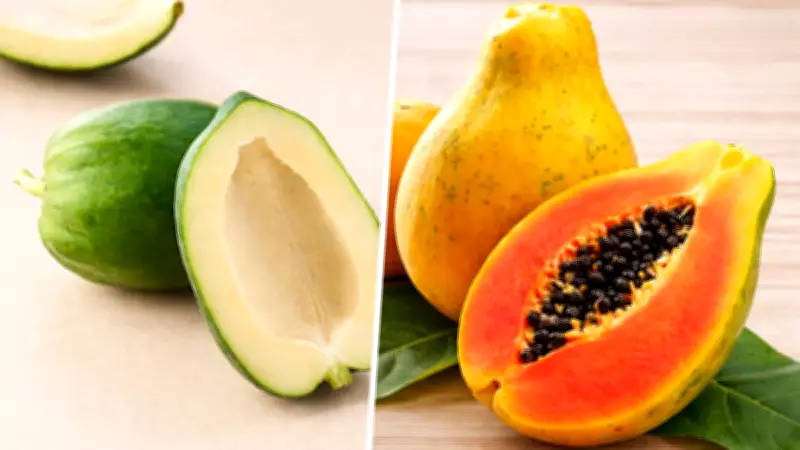
Raw papaya is characterized by its green skin and firm texture, while ripe papaya turns yellow-orange and softens. This transformation affects their nutritional composition, particularly in terms of carbohydrates and fiber, which are key factors for diabetes.
- Raw Papaya: It is lower in natural sugars and calories compared to its ripe counterpart. Raw papaya is rich in dietary fiber, which slows down sugar absorption in the bloodstream, helping to prevent spikes in blood glucose levels. It also contains enzymes like papain, which aid digestion and may support metabolic health.
- Ripe Papaya: As it ripens, the sugar content increases, making it sweeter and higher in calories. However, ripe papaya is packed with vitamins, especially vitamin C and vitamin A, which boost immunity and eye health. The fiber content remains beneficial, but the higher sugar means portion control is essential for those with diabetes.
Benefits for Diabetes and Blood Sugar Control
Both raw and ripe papaya offer unique advantages for diabetes management, but their effects on blood sugar vary.

- Raw Papaya Benefits: Its low glycemic index (GI) makes it an excellent choice for stabilizing blood sugar. The high fiber content promotes satiety, reducing overall calorie intake and aiding weight management—a critical aspect of diabetes control. Additionally, raw papaya's anti-inflammatory properties may help reduce complications associated with diabetes, such as heart disease.
- Ripe Papaya Benefits: While higher in sugar, ripe papaya provides antioxidants like lycopene and beta-carotene, which combat oxidative stress linked to diabetes. Moderate consumption can offer nutritional benefits without causing significant blood sugar spikes if paired with a balanced diet. Its vitamins support overall well-being, which is vital for managing chronic conditions.
How to Incorporate Papaya into a Diabetes-Friendly Diet
Incorporating papaya wisely can enhance diabetes management without compromising blood sugar levels.
- For Raw Papaya: Add it to salads, stir-fries, or smoothies. Its mild flavor blends well with other vegetables and proteins, providing a low-sugar, high-fiber addition to meals.
- For Ripe Papaya: Consume it in small portions, such as half a cup per serving, and avoid pairing it with high-sugar foods. Eating it with protein or healthy fats can further slow sugar absorption.
Consulting a healthcare professional or dietitian is recommended to tailor intake based on individual health needs and blood sugar levels.
Conclusion: Which is Better?
Raw papaya is generally more favorable for strict blood sugar control due to its lower sugar and higher fiber content. However, ripe papaya can be included in moderation for its nutritional benefits. Ultimately, the choice depends on personal health goals, portion sizes, and overall dietary patterns. By understanding these differences, individuals with diabetes can enjoy papaya as part of a healthy, balanced diet to support long-term management and wellness.






