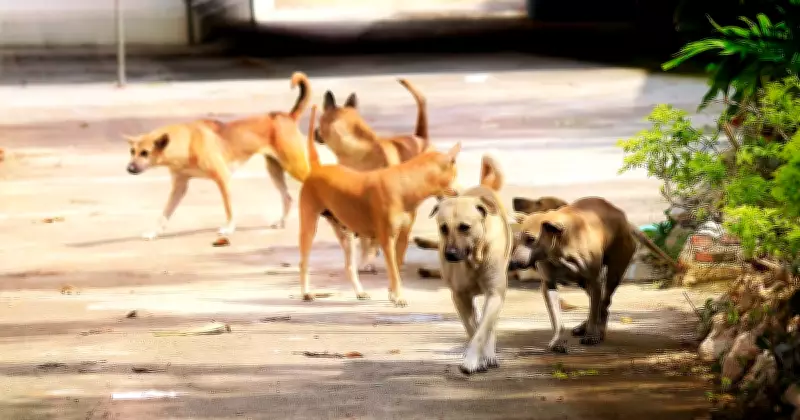
Understanding and respecting a dog's personal space is essential for safe and positive interactions, according to Arathi Sen, a Bengaluru-based dog behaviourist and Co-founder and Chief Knowledge Officer at Sniff.
Why Respecting a Dog's Space Matters
Dogs have distinct personalities, and not every dog welcomes attention from strangers. Sen emphasizes that one should not assume all dogs are friendly or eager to be petted. "You can't just go up to a dog and say, 'I am a dog person, I love indies, I'm gonna pet you,'" she explains. "Maybe that is a dog who just wants to be left alone."
Key Guidelines for Interacting with Dogs
- Never touch any dog without permission. This applies to both pets and street dogs. Always ask the owner first or observe the dog's body language.
- Avoid towering over a dog. Leaning over a dog and patting its head can be intimidating. Instead, allow the dog to approach you.
- Respect a dog's choice. If a dog seems uninterested or anxious, give it space. Forcing interaction can lead to stress or defensive behavior.
Understanding Canine Body Language
Sen advises learning to read a dog's signals. Signs of discomfort include yawning, lip licking, tucked tail, or avoiding eye contact. A relaxed dog may have a loose body, wagging tail, and soft eyes. Approaching calmly and letting the dog sniff your hand first is a good practice.

The Role of Owners and Communities
Dog owners should advocate for their pets by informing others about their dog's preferences. Communities can foster safer environments by educating children and adults about respectful interactions with dogs.
By following these simple yet crucial guidelines, humans can build trust and positive relationships with dogs, ensuring the well-being of both.