

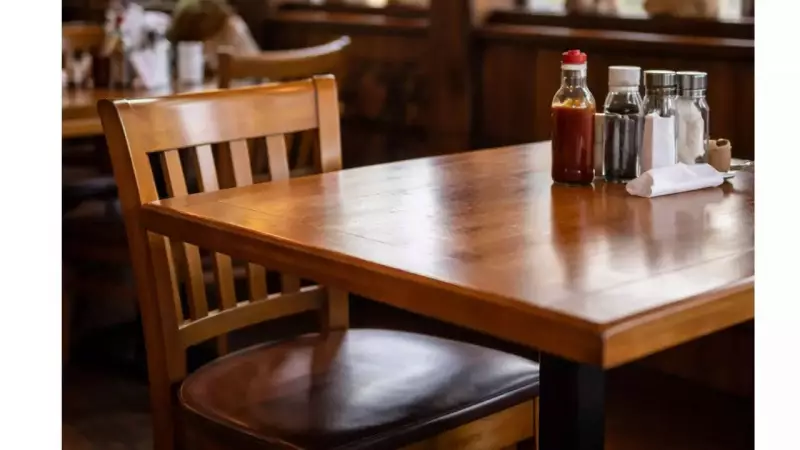
For ten years, Charlie Hicks, 78, was a picture of quiet consistency at the Shrimp Basket restaurant in Florida. His daily ritual was unwavering: lunch and dinner at his regular table, always ordering a cup of gumbo with light rice and no cracker. Staff knew to expect him the moment the doors opened.
A Concerning Break in Routine
So, when Hicks failed to appear one day, it was immediately noticeable. At first, it didn't raise major alarms; even the most dedicated regulars can miss a day. However, as the absence stretched into a second and then a third day, a deep sense of worry settled over the restaurant team. Chef Donell Stallworth, in particular, felt something was wrong. Hicks hadn't missed a single meal in years, making this sudden change deeply unsettling.
The staff's initial phone call to Hicks' home provided some relief. He answered, explaining he was unwell. Out of concern, they prepared his usual gumbo and delivered it to his apartment. Hicks, thoughtful of others even in sickness, asked them to leave it outside his door to avoid spreading any illness.

The Urgent Rescue Mission
The situation took a serious turn when subsequent calls started going straight to voicemail. Stallworth's concern escalated. In the middle of his work shift, he decided he had to check in person. He drove to Hicks' apartment.
After receiving no answer at the door, Stallworth was about to leave when he heard a faint cry for help from inside. He entered and found the elderly man lying on the floor. Hicks had suffered a fall, breaking two ribs, and was severely dehydrated. He had been trapped and alone for several days.
Emergency services were summoned immediately, and Hicks was rushed to the hospital. Doctors later confirmed that the timing of the intervention was critical; a longer delay could have led to a far more tragic outcome.
A Bond Forged Over Years Becomes a Lifeline
During Hicks' recovery, the invisible bond formed over a decade of shared meals and conversations became powerfully visible. The Shrimp Basket staff became his extended family. They checked on him regularly, brought him meals, and kept his spirit up while he healed.
Their care extended beyond his hospital stay. When he was discharged, they assisted him in finding and moving to a new apartment located closer to the restaurant, ensuring someone could always keep a watchful eye on him. Hicks' own family credits chef Donell Stallworth with saving his life. His niece reflected that their relationship had long transcended that of a customer and chef, evolving into something much closer through years of familiarity.
By December, the comforting routine was restored. Charlie Hicks was back at his usual table, enjoying his gumbo. The easy conversations, often starting with old TV shows, resumed as if they had never been interrupted.
For Stallworth, his actions don't feel heroic. He simply paid attention when a familiar piece of the daily pattern went missing. Yet, in a fast-paced world where such routines often blur into the background, that act of noticing and caring made all the difference between life and death.






