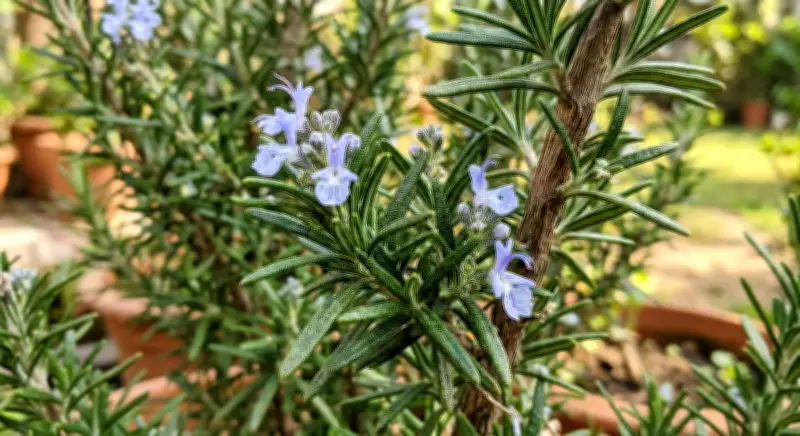
You bought the plant, placed it by the window, watered it religiously, and then, a few weeks later, it turned brown and died. If this sounds familiar, you are not alone. Rosemary is technically low maintenance, but it is known to be a little stubborn. However, the problem is not you; it is the soil.
The Mediterranean Secret Nobody Tells You
Rosemary is native to the Mediterranean, specifically the sun-baked coastlines of southern France and Italy, where the soil is rocky and gritty, draining almost immediately after rain. That is the environment in which rosemary evolved to flourish. In contrast, most American garden soil is loaded with clay that holds moisture for days, especially in the Midwest and Southeast, which is a death sentence for rosemary. The fix is not complicated, but it requires one deliberate step before planting: fix the soil first.
What Does Good Rosemary Soil Look Like?
Take a handful of your garden soil and squeeze it. If it stays in a lump when you open your hand, it has too much clay. Good soil for rosemary should crumble apart: gritty, loose, almost sandy. It should drain quickly enough that the surface looks dry within a day or two after a good rain. If your soil does not pass this test, you will need to amend it. Work a one- to four-inch layer of organic matter, such as compost, peat moss, or coconut coir (the more sustainable choice), into the top six inches of your soil. Next, depending on the clay content, add 15 to 40 percent perlite or coarse gravel. Perlite, the white popcorn-like volcanic material, is often ignored in potting mixes but it truly transforms drainage.

According to a technical report by the United States Department of Agriculture, perlite is a naturally occurring volcanic glass mined primarily in the American Southwest that expands dramatically when heated, creating the light, porous structure that makes it so effective at improving drainage. If you are growing in a pot, which is the smarter move if you live north of Zone 8, simply buy a cactus and succulent potting mix and skip the guesswork entirely. It is already built for fast drainage.
One small bonus tip: Rosemary likes mildly acidic soil. If you are a coffee drinker, you can spread a very thin layer of used coffee grounds around the base of the plant occasionally.
The Rest of the Care Is Easier Than You Think
Rosemary is very forgiving once the soil situation is fixed. It needs at least six hours of full sun a day, and a south-facing windowsill or sunny balcony is ideal. Less than that and the plant becomes leggy and pale, and the fragrance fades. The whole point of growing your own herbs is that amazing smell when you brush the leaves, so do not skimp on the sun. Watering is where most people overanalyze. Rosemary should only be watered every one to two weeks, and rain often does that for you. The golden rule is to allow the soil to dry out completely before watering again. Potted plants dry out faster and will need a little more attention, but again, less is more.
Why You Should Skip the Fertilizer
Fertilizer is not just unnecessary for rosemary; it can actually be harmful. A study published in the journal Nitrogen found that moderate nitrogen increased rosemary’s biomass and essential oil production, but too much nitrogen lowered the plant’s natural resilience and risked the very qualities that make rosemary valuable, including its drought tolerance and aromatic potency. In other words, the more you fertilize, the less aromatic and healthy your rosemary becomes. What it does benefit from is occasional pruning. Cut it back after it flowers to keep the shape full and bushy. That is a much better use of your time than reaching for fertilizer.

Why It Is Worth the Effort
A healthy rosemary plant is more than just a cooking convenience, though fresh sprigs on roasted potatoes or tucked into a whole chicken are truly transformative. It is a plant that can live for up to ten years given the right conditions. It is also one of the few herbs that improve with age, becoming fuller, woodier, and, in the spring, covered with tiny purple-blue flowers. If you live in a cold-winter area, anything colder than USDA Zone 8, which is most of the country, grow it in a pot. Bring it inside before the first frost, place it in your sunniest window, and it will be there for you when spring comes. Get the soil right once, and then rosemary pretty much looks after itself.