

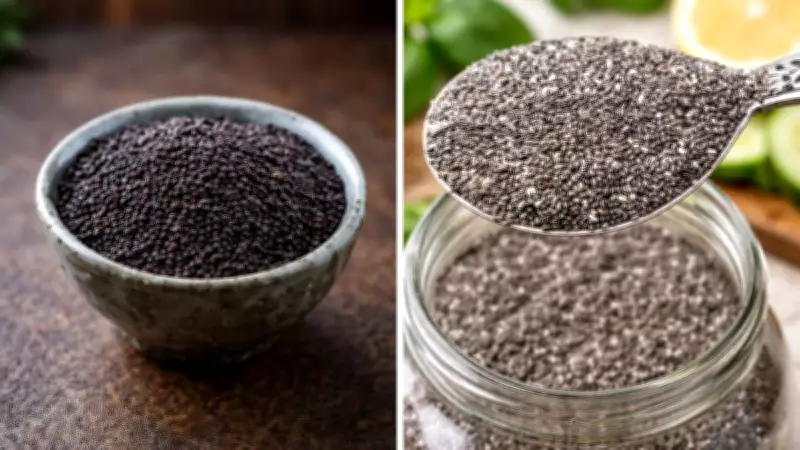
Sabja Seeds vs Chia Seeds: A Comprehensive Comparison
In the world of superfoods, sabja seeds and chia seeds have gained immense popularity for their nutritional prowess. Often confused due to their similar appearance, these tiny seeds offer distinct benefits and characteristics. This article delves into the key differences, health advantages, and practical tips to help you decide which seed might be better suited for your lifestyle.
What Are Sabja Seeds and Chia Seeds?
Sabja seeds, also known as basil seeds or tukmaria, are derived from the sweet basil plant (Ocimum basilicum). They are small, black, and oval-shaped, expanding into a gelatinous coating when soaked in water. Traditionally used in Indian beverages like falooda and sherbets, sabja seeds are prized for their cooling properties.
Chia seeds come from the Salvia hispanica plant, native to Central America. These seeds are slightly larger, oval, and come in black, white, or gray varieties. Like sabja seeds, they form a gel-like substance when soaked, making them a popular addition to smoothies, puddings, and baked goods.

Key Differences Between Sabja and Chia Seeds
- Origin and Botanical Family: Sabja seeds are from the basil family (Lamiaceae), while chia seeds belong to the mint family (Lamiaceae as well, but a different genus).
- Appearance and Texture: Sabja seeds are smaller and black, with a smoother surface. Chia seeds are larger, often mottled in color, and have a slightly rougher texture.
- Soaking Time: Sabja seeds typically require 15-20 minutes of soaking to develop their gelatinous coating. Chia seeds need a longer soaking period of about 30 minutes to 2 hours to achieve a similar consistency.
- Flavor Profile: Sabja seeds have a mild, neutral taste, making them versatile for both sweet and savory dishes. Chia seeds have a subtle nutty flavor that can enhance various recipes.
- Nutritional Composition: Both are rich in fiber, protein, and omega-3 fatty acids, but chia seeds generally contain higher levels of omega-3s and calcium, while sabja seeds are noted for their iron and antioxidant content.
Health Benefits: Digestion and Weight Loss
Both sabja and chia seeds offer significant health benefits, particularly for digestion and weight management.
For Digestion: The high fiber content in both seeds promotes healthy digestion by adding bulk to stool and preventing constipation. Sabja seeds are especially known for their cooling effect, which can soothe the digestive tract and reduce acidity. Chia seeds' gel-forming ability helps slow digestion, aiding in nutrient absorption and maintaining gut health.
For Weight Loss: These seeds are low in calories but high in fiber and protein, which can increase satiety and reduce overall calorie intake. Sabja seeds expand in the stomach, creating a feeling of fullness that curbs hunger pangs. Chia seeds' ability to absorb water and form a gel can help control appetite and support weight loss efforts when incorporated into a balanced diet.
Which is Better: Sabja or Chia Seeds?
Determining which seed is better depends on individual health goals and dietary preferences.
- Choose Sabja Seeds If: You prefer a quicker soaking time, need a cooling effect for digestion, or want to incorporate them into traditional Indian recipes. They are also a good source of iron and antioxidants.
- Choose Chia Seeds If: You are looking for higher omega-3 fatty acids and calcium content, enjoy a nutty flavor, or plan to use them in Western dishes like puddings and smoothies. Their longer soaking time makes them ideal for overnight preparations.
Both seeds are excellent additions to a healthy diet, and incorporating a variety of superfoods can provide a broader range of nutrients. It is recommended to soak them properly before consumption to avoid any digestive discomfort and maximize their benefits.

How to Incorporate Sabja and Chia Seeds into Your Diet
- Soaking: Always soak sabja seeds for 15-20 minutes and chia seeds for 30 minutes to 2 hours in water, milk, or juice until they form a gel.
- Beverages: Add soaked sabja seeds to lemonades, smoothies, or traditional drinks like falooda. Use chia seeds in fruit juices or protein shakes.
- Foods: Mix chia seeds into yogurt, oatmeal, or baked goods. Sprinkle sabja seeds over salads or incorporate them into desserts.
- Portion Control: Start with small amounts, such as one tablespoon per day, and gradually increase to avoid bloating.
In conclusion, both sabja and chia seeds are nutritional powerhouses with unique properties. By understanding their differences and benefits, you can make an informed choice to enhance your health and wellness journey.





