

Influenza and seasonal respiratory infections remain a persistent health concern in India, influenced by changing weather, travel, and close contact. While vaccinations and professional medical care form the cornerstone of prevention and treatment, many also turn to simple dietary habits and traditional home remedies for relief. The rise of social media has amplified awareness of such practices, bringing age-old wisdom into the digital spotlight.
Sadhguru's Simple Elixir for Flu Season
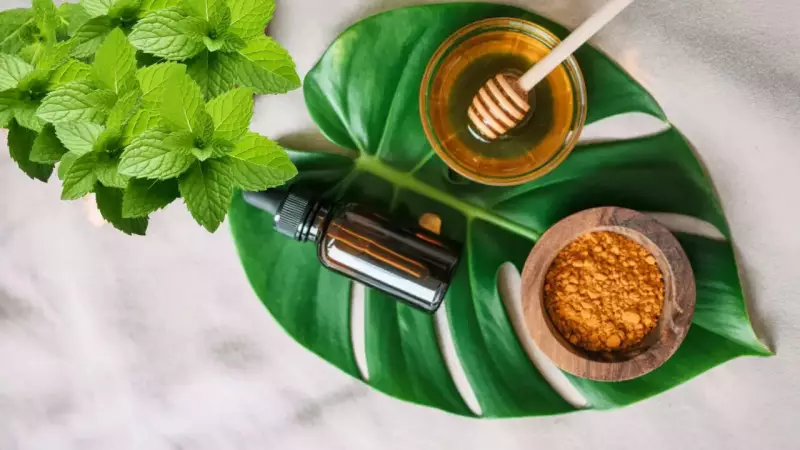
Adding to this conversation, renowned spiritual leader and Isha Foundation head, Sadhguru, recently demonstrated a warm beverage mixture on Instagram that he uses during outbreaks of flu. He mentioned that he rarely catches the flu when it circulates publicly, partly attributing this to his homemade drink. The recipe is straightforward: hot water mixed with a little honey and turmeric, optionally enhanced with mint or coriander leaves if available.
Sadhguru explained that respiratory illnesses often begin by settling in the throat before progressing deeper into the respiratory system. This warm concoction is presented as a way to help clear the throat, potentially making it harder for germs to establish a foothold. It is intended as a preventive habit to be consumed every few hours during pervasive outbreaks, not as a substitute for necessary medical treatment.

The Science Behind the Ingredients
Honey's Soothing Role: A staple in home remedies for centuries, honey is valued for its ability to coat and soothe irritated throat membranes. Its viscous texture can alleviate dryness and irritation caused by coughing or viral inflammation. Beyond its physical coating action, honey contains natural sugars, enzymes, and polyphenols studied for antimicrobial properties. A systematic review published in BMJ Evidence-Based Medicine found that honey can reduce cough symptoms in upper respiratory tract infections compared to usual care, solidifying its role as a comforting agent, though not a cure for influenza itself.
Turmeric's Anti-inflammatory Power: A cornerstone of traditional South Asian healing, turmeric contains the bioactive compound curcumin, extensively researched for its anti-inflammatory and antioxidant effects. In respiratory infections, where throat and lung inflammation causes soreness and cough, consuming turmeric in warm water may help alleviate some symptoms. While absorption in this form is relatively low, it adds a warming, earthy comfort to the drink, aligning with the perceived 'healing' sensation.
Mint for Airway Comfort: Mint leaves, rich in menthol, impart a characteristic cooling sensation. In warm liquids, mint can create a feeling of easier breathing and help clear throat passages, though it does not fight the underlying infection. It is widely used in steam inhalation and herbal teas to relieve nasal congestion. In Sadhguru's drink, mint serves a dual purpose: functional relief and an aromatic enhancement.
Coriander's Traditional Use: Coriander leaves, known as cilantro, bring a fresh, citrusy scent to the mix. They contain plant compounds analysed for antioxidant and antimicrobial properties. When lightly steeped in hot water, they release volatile compounds and flavour. Its inclusion represents a long-practised culinary tradition where herbs are valued for both taste and presumed health-supporting qualities, offering a variant when mint is unavailable.
How to Prepare and Use the Drink Safely
To prepare the beverage safely, use hot but not boiling water to avoid scalding or further irritating the throat. The ingredients can be adjusted to personal taste and dietary needs. It is crucial to emphasize that this is a supportive practice and should not replace medical advice or prescribed treatments. Individuals with specific health conditions, such as blood sugar management issues (due to honey), should exercise caution. If respiratory symptoms persist or worsen, consulting a healthcare professional is essential.
This resurgence of interest in simple, accessible home remedies highlights a continued public search for complementary wellness strategies alongside modern medicine, especially during the challenging flu season.






