

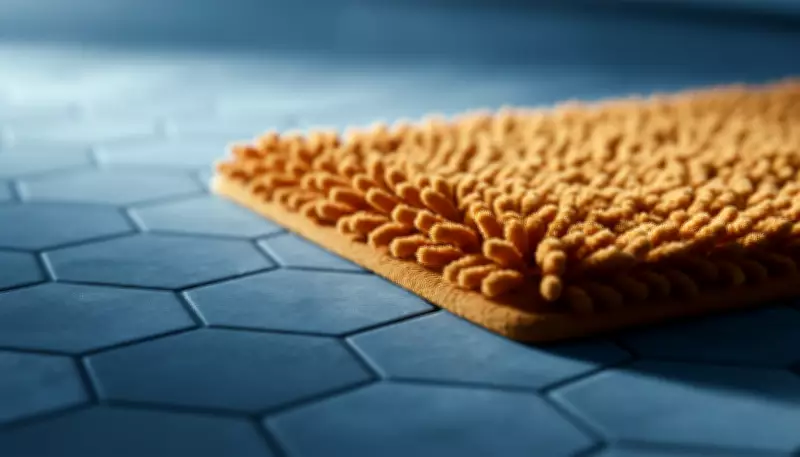
The Science Behind That Icy Bathroom Floor Feeling
You step out of a warm, relaxing shower, wrap yourself in a soft towel, and then place your bare feet on the bathroom floor. Instantly, you're jolted awake by an icy sensation that seems to radiate through your entire body. This common experience is one of those everyday annoyances that rarely gets discussed, yet virtually everyone can relate to it. The truth is, it's not because your tiles are inherently colder than other surfaces in the room. The real explanation is rooted in fascinating scientific principles.
It's Not About Temperature, It's About Heat Transfer
Your bathroom mat and tile floor exist in the same environment, exposed to identical air temperatures. However, the moment your skin makes contact with the tile, a rapid process of heat conduction begins. Tile materials—whether ceramic, porcelain, or natural stone—possess exceptional thermal conductivity properties. They don't merely feel cold passively; they actively draw warmth away from your body at an accelerated rate.
For instance, granite tiles can conduct heat approximately 100 to 150 times faster than a standard cotton bath mat. This dramatic difference explains why your skin temperature plummets so quickly upon contact. Your nerve endings detect this sudden heat loss, and your brain interprets the signal as distinctly unpleasant. In contrast, fabric mats made of fibrous materials conduct heat much more slowly, allowing them to retain warmth rather than stealing it from your feet.

How Different Tile Materials Affect Thermal Conductivity
Does the specific type of tile actually make a difference? Research confirms that it matters significantly more than most people realize. A study titled Thermal conductivity studies on ceramic floor tiles measured the thermal properties of various flooring types. The findings revealed that porcelain stoneware and red stoneware tiles exhibit thermal conductivity values exceeding 1 W/m·K, making them exceptionally efficient at dissipating heat from any warm object they contact.
Meanwhile, carpets and fabric mats don't even register on the same conductivity scale. This measurable disparity is precisely what triggers that characteristic post-shower gasp every morning. Interestingly, adding materials like alumina to tile compositions can boost their heat-conducting capacity by up to 50%. While this might sound undesirable for bare feet, such enhanced conductivity becomes beneficial when paired with radiant floor heating systems, transforming the tile from a foe to an ally.
Practical Solutions: From Heated Mats to Insulation
If you've ever considered purchasing a heated bathroom mat but dismissed it as an unnecessary luxury, scientific evidence suggests you should reconsider. Research published in the journal Building and Environment demonstrates that heated mats substantially increase both skin temperature and thermal comfort scores. Larger mats and higher heat settings deliver the most effective results by actively transferring warmth into your feet rather than extracting it.
For those planning renovations or seeking long-term solutions, passive options also exist. Installing insulating materials like polyurethane foam beneath tile layers can dramatically reduce heat transfer by creating a barrier between your feet and the subfloor. Additionally, researchers are exploring textured tile surfaces and patterns inspired by animal fur that trap microscopic air pockets near the surface. These innovations thicken the boundary layer and minimize conductive heat loss.
Understanding the Physics Behind the Sensation
The chilling effect of bathroom tiles ultimately boils down to fundamental physics. Your floor isn't malfunctioning or uniquely cold—it's simply performing its natural function with remarkable efficiency. Tiles excel at drawing warmth from any object they contact, which is why a quality bath mat makes such a noticeable difference. A heated mat amplifies this benefit even further.

If you have the opportunity to install insulation beneath your tiles, it represents an excellent long-term investment in comfort. Until then, keeping slippers near the shower door remains a simple, effective strategy to avoid that morning shock. By understanding the science behind this common experience, you can make informed choices to enhance your daily routine.





