

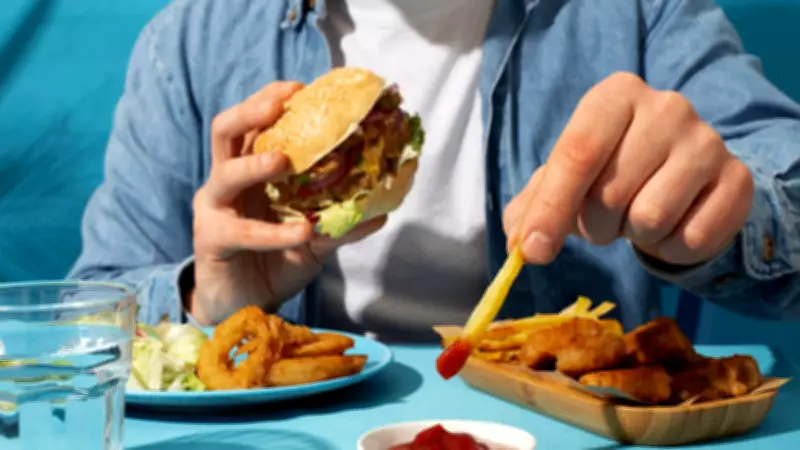
The Science Behind Food Cravings: Why We Crave Sweet, Salty, and Crunchy Foods
Food cravings are a universal experience, often striking at unexpected moments and driving us to seek out specific tastes and textures. Understanding the science behind these urges can shed light on our dietary habits and overall health. This article explores the biological and psychological mechanisms that make us crave sweet, salty, and crunchy foods, offering insights into how these cravings develop and what they might signify.
The Biological Basis of Food Cravings
Cravings are not merely whims; they are deeply rooted in our brain chemistry and physiological needs. The brain's reward system, particularly involving neurotransmitters like dopamine, plays a crucial role. When we consume foods that are high in sugar or salt, dopamine is released, creating a sense of pleasure and reinforcement. This can lead to habitual cravings as the brain seeks to replicate that rewarding experience.
Additionally, cravings can signal nutrient deficiencies or imbalances in the body. For instance, a craving for salty foods might indicate low sodium levels, often due to dehydration or excessive sweating. Similarly, sweet cravings can be linked to low blood sugar levels, prompting the body to seek quick energy sources. However, it's important to note that modern diets high in processed foods can distort these signals, leading to cravings for unhealthy options rather than nutrient-dense alternatives.

Sweet Cravings: The Sugar Rush Phenomenon
Sweet cravings are among the most common, driven by both biological and psychological factors. From a biological perspective, humans have an innate preference for sweetness, which historically helped our ancestors identify energy-rich foods like fruits. Today, this preference is exploited by the food industry, with added sugars in many products triggering intense cravings.
Psychologically, sweet foods are often associated with comfort and reward, linked to memories of celebrations or emotional soothing. This can create a cycle where stress or low mood leads to sugar consumption for temporary relief, followed by cravings as the brain remembers the dopamine boost. Over time, excessive sugar intake can contribute to health issues like obesity, diabetes, and dental problems, making it essential to manage these cravings through balanced eating and mindful habits.
Salty Cravings: The Sodium Connection
Salty cravings are another frequent occurrence, often tied to the body's need for electrolytes like sodium. Sodium is vital for maintaining fluid balance, nerve function, and muscle contractions. When levels drop, such as after intense physical activity or in hot weather, cravings for salty foods like chips or pretzels can emerge as the body's way of restoring equilibrium.
However, similar to sweet cravings, modern diets can exacerbate this. Processed foods are often loaded with salt, leading to habitual consumption and increased cravings. Excessive salt intake is linked to high blood pressure and cardiovascular diseases, so it's crucial to differentiate between genuine physiological needs and learned preferences. Opting for natural sources of sodium, such as vegetables or nuts, can help satisfy cravings healthily.
Crunchy Cravings: The Texture and Stress Relief Factor
Craving crunchy foods, such as chips or crackers, involves a unique blend of sensory and psychological elements. The act of chewing crunchy items provides auditory and tactile stimulation, which can be satisfying and stress-relieving. Research suggests that the noise and texture of crunchy foods can enhance the eating experience, making them more appealing during times of anxiety or boredom.
From a psychological standpoint, crunchy foods are often linked to snacking habits and emotional eating. They can serve as a distraction or a way to cope with stress, leading to cravings when these emotions arise. To address this, incorporating healthier crunchy options like raw vegetables or whole-grain snacks can provide the same sensory satisfaction without the negative health impacts of processed alternatives.
Managing Food Cravings for Better Health
Understanding the science behind food cravings is the first step toward managing them effectively. Here are some strategies to help curb unhealthy urges:

- Stay Hydrated: Dehydration can mimic hunger and trigger cravings, so drinking enough water throughout the day is essential.
- Eat Balanced Meals: Consuming meals with a mix of protein, fiber, and healthy fats can stabilize blood sugar levels and reduce cravings.
- Practice Mindful Eating: Paying attention to hunger cues and eating slowly can help distinguish between true hunger and emotional cravings.
- Choose Healthy Alternatives: Swap out processed sweet, salty, or crunchy foods for natural options like fruits, nuts, or vegetables.
- Address Emotional Triggers: Identifying and managing stress or boredom through activities like exercise or hobbies can reduce reliance on food for comfort.
By applying these tips, individuals can gain better control over their cravings, leading to improved dietary habits and overall well-being. Remember, occasional indulgences are normal, but consistent awareness and healthy choices are key to long-term health.





