

Lord Shiva Worship: A Timeless Path to Mental Well-being and Emotional Balance
For countless generations, the worship of Lord Shiva has been revered as a profound spiritual practice, offering devotees a pathway to religious devotion and inner peace. This ancient tradition is deeply rooted in the pursuit of emotional equilibrium, with many individuals turning to prayer, chanting, and meditation focused on Shiva to navigate the challenges of stress, anxiety, and racing thoughts.
The Symbolism of Shiva in Modern Contexts
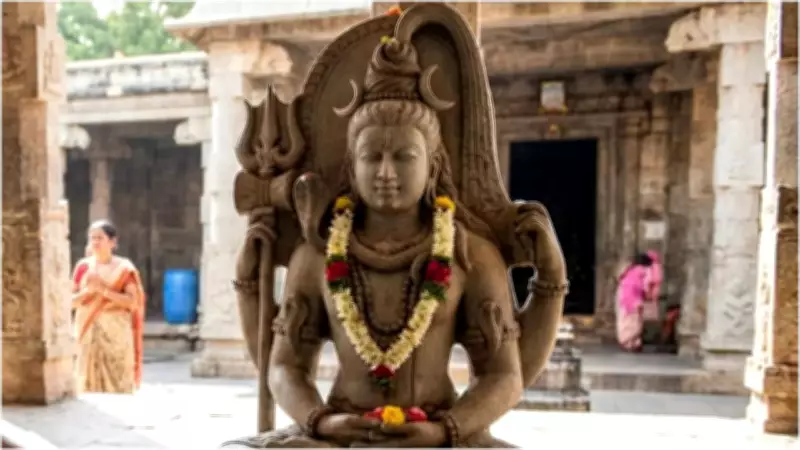
Spiritual practitioners often emphasize that Shiva embodies the essence of mindfulness and tranquility. A common depiction shows him in deep meditation, symbolizing the ability to remain calm amidst chaos. This imagery holds significant relevance in today's society, where people frequently grapple with overwhelming workloads, information overload, and emotional confusion.
Unlike many deities associated with constant activity, Shiva's representation as both dynamic and serene provides a unique model for balancing life's demands. In an era marked by high stress levels and sleep deprivation, this duality resonates strongly, highlighting the need for practices that foster mental clarity and resilience.

Practical Benefits of Shiva Worship Practices
Chanting mantras such as "Om Namah Shivaya" is believed by many to induce relaxation and mental calm. Mental health experts support this view, noting that rhythmic chanting combined with controlled breathing exercises can effectively slow down thought processes and regulate respiration. The repetitive nature of mantra recitation helps individuals break free from ruminations about the past or future, promoting a present-focused awareness.
Over time, consistent engagement in these practices may enhance emotional regulation and cognitive clarity. Ritualistic acts like offering flowers, water, or lighting lamps during Shiva worship serve as simple yet meaningful gestures that capture attention and interrupt daily routines. These moments provide a much-needed respite from constant stimulation, allowing for self-reconnection and mental rejuvenation.
Psychological Insights and Self-Care Integration
Devotees of Shiva also view him as a symbol of detachment and acceptance, encouraging the observation of emotions without immediate reaction. This perspective aligns closely with modern psychological principles that advocate for mindful awareness of thoughts and feelings. By recognizing the transient nature of problems and emotions, individuals can cultivate greater emotional stability during challenging times.
Worshiping Shiva transcends mere religious observance, evolving into a holistic self-care regimen. Setting aside dedicated time daily for prayer or meditation fosters a sense of calm and orderliness. Many practitioners report that regular spiritual routines lead to feelings of lightness, centeredness, and improved coping mechanisms for everyday stressors.
Conclusion: Embracing Slowdown in a Fast-Paced World
In conclusion, Shiva worship offers a sanctuary for quiet reflection and balance, addressing the mental health needs of contemporary life. In a world characterized by rapid pace and high demands, these practices serve as gentle reminders of the importance of slowing down—not to escape reality, but to live with heightened awareness and tranquility. By integrating such traditions, individuals can find sustainable ways to nurture their mental well-being and navigate modern complexities with grace.






