

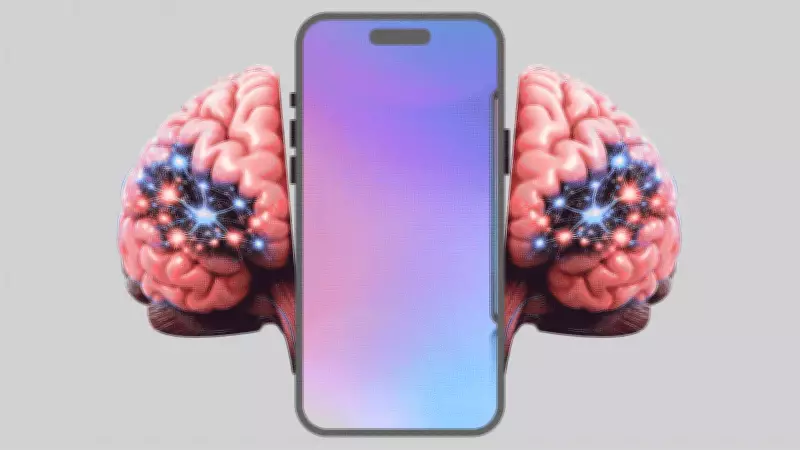
Smartphone Addiction Accelerates Brain Ageing: New Research Reveals Alarming Biological Cascade
A groundbreaking new study has uncovered a disturbing connection between excessive smartphone usage and accelerated brain ageing, revealing a hidden biological cascade that poses significant health risks. The research comes as India faces an unprecedented digital consumption crisis, with citizens spending staggering amounts of time glued to their screens.
Unprecedented Screen Time Statistics in India
According to a comprehensive report from EY, Indians collectively devoted a staggering 1.1 trillion hours to their smartphones in 2024 alone. This translates to an average of five hours per day for every individual in the country. The distribution of this screen time reveals concerning patterns:
- Nearly 70% of smartphone usage was dedicated to social media platforms
- Significant portions were consumed by gaming applications
- Short-form video content accounted for substantial engagement hours
The Hidden Biological Cascade: From Screen to Brain
While the time statistics are alarming in themselves, researchers have identified a more insidious consequence of this digital addiction. A growing body of scientific evidence points to a complex biological cascade triggered by excessive screen time:

- Sleep Disruption: Blue light emission from screens interferes with melatonin production, severely disrupting natural sleep cycles
- Gut Microbiome Damage: Poor sleep quality ravages the delicate balance of gut bacteria, compromising digestive health
- Neuroinflammation: The damaged gut microbiome releases inflammatory markers that travel to the brain
- Accelerated Brain Ageing: Chronic neuroinflammation leads to premature cognitive decline and brain ageing
The Science Behind Screen-Induced Ageing
Medical researchers are only beginning to quantify the full extent of screen-related brain ageing. The mechanism involves a perfect storm of biological disruptions:
"What we're witnessing is a silent epidemic of digital-induced ageing," explains one researcher familiar with the findings. "The combination of sleep deprivation, gut inflammation, and chronic neuroinflammation creates conditions that mimic accelerated ageing processes in the brain."
The research indicates that these effects are particularly pronounced in individuals who:
- Use smartphones extensively before bedtime
- Consume primarily passive content rather than interactive applications
- Have pre-existing sleep or digestive health issues
Implications for Public Health and Digital Habits
This research has profound implications for public health policy and individual digital habits. As smartphone penetration continues to increase across all age groups in India, understanding and mitigating these effects becomes increasingly urgent.
Experts recommend several strategies to combat screen-induced ageing:
- Implementing strict screen time limits, especially before bedtime
- Using blue light filters on all devices
- Prioritizing quality sleep through proper sleep hygiene practices
- Incorporating probiotic foods to support gut health
- Balancing screen time with physical activity and social interaction
The findings underscore the need for greater awareness about the biological consequences of our digital lifestyles. While smartphones offer unprecedented connectivity and convenience, their overuse appears to come at a significant cost to our neurological health and longevity.






