

For decades, the final night of the year followed a predictable pattern across India: loud parties, flowing drinks, and a morning of regret. As 2025 draws to a close, a significant shift is underway. A growing number of Indians are consciously choosing a sober and mindful start to 2026, driven by health awareness and a desire for more authentic connections.
The Rise of the 'Sober Curious' Indian
This change is part of the global 'sober curious' movement, where people actively re-evaluate their relationship with alcohol. For some, it means complete abstinence; for others, it's about moderation or exploring sophisticated non-alcoholic alternatives. The motivations are clear: better health and the wish to create memorable experiences without the haze of intoxication.
Madhu Gupta, a 45-year-old entrepreneur from Mumbai, embodies this shift. "There was a time I drank to drown my sorrows," she admits. This year, her December 31st involves an early hotel dinner followed by a 'Stranger Things' marathon with her teenage daughter—plans conspicuously free of alcohol. Her 30-year-old niece in Bengaluru is similarly skipping the conventional party scene.

Venues and Events Cater to the New Demand
The trend is visibly reshaping how venues across the country program New Year's Eve. It's no longer about just offering a few token mocktails. Establishments are now designing entire experiences around the sober celebration concept.
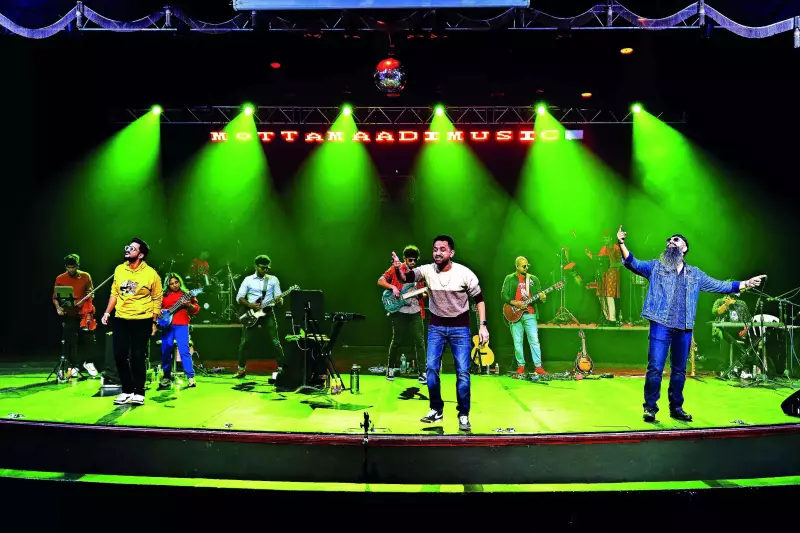
In Chennai, musician Badhri Narayanan Seshadri founded the Motta Maadi Music Sober Party as a playful response to typical New Year excess. "The entire team is largely teetotallers, so this is how we celebrate. Otherwise, where do teetotallers go on Dec 31? Watch television?" he laughs. Their event this year will be held at the Sir Mutha Venkatasubba Rao Concert Hall with two performances at 3pm and 7pm, featuring Tamil film music. The night will conclude not with a countdown, but with the popular New Year song 'Ilamai Idho Idho' by Ilaiyaraaja.
Hyderabad's rooftop cafe Ce La Vie is promoting a 'sober and sensational' party with a DJ, midnight countdown, and an elaborate mocktail menu. In Indore, Kaner Baag is hosting a premium sober event featuring a DJ night, live dhol, unlimited buffet, zero-proof cocktails, and a fireworks display at midnight. Raj Dashore, a 21-year-old partner at Kaner Baag, sees it as a cultural pushback. "In our parents' generation, drinking became the centre of every celebration in Indore... we wanted to show that you can be surrounded by nature, have fun and feel calm without alcohol."
Health, Choice, and Redefining Celebration
Behind this movement is a powerful blend of personal health decisions and a rejection of social pressure. Meera Girija Tadimeti, a Hyderabad-based architect-turned-chef, represents this mindful choice. Once a social drinker, she now opts for sparkling water. "There is more research now that shows no amount of alcohol is safe, so I made a conscious decision to say no," she states, adding, "I don't succumb to social pressure and respect my body's limitations."
Mixologists are rising to the occasion, crafting technique-driven, flavour-packed non-alcoholic beverages like beetroot negronis and kiwi collins, proving that 'dry' doesn't mean dull.
Some are moving away from the December 31st frenzy entirely. Kolkata's The Barge Company is forgoing a traditional New Year's Eve party for a 'River Reset' weekend on January 3, 4, and 11 aboard its heritage vessels. "The first weekend of Jan should be a sober weekend. We wanted to do that by channelling the tranquillity of the river," says Rishika Das Roy, the company's marketing director. The itinerary includes sound baths, yoga, and mindfulness sessions, with drinks like tea and mushroom coffee.
As 2026 approaches, it's evident that for a growing segment of India, a great celebration is measured not by the alcohol consumed, but by the clarity, connection, and genuine joy experienced.






