

Understanding Your Body's Silent Language Through Food Cravings
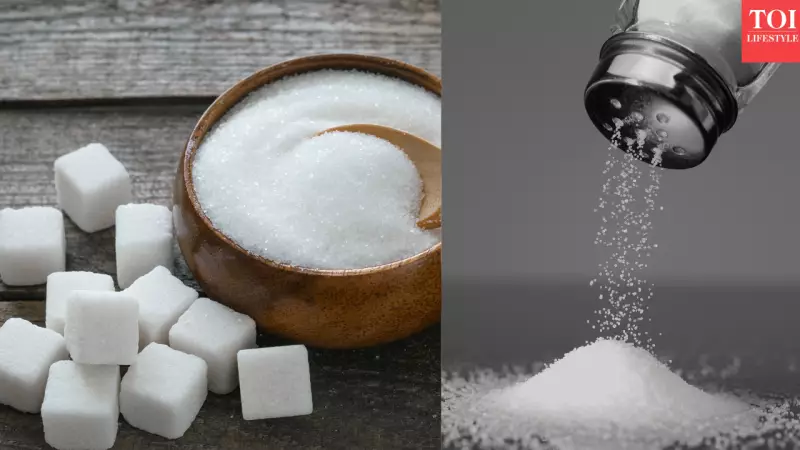
Have you ever experienced that sudden, overwhelming urge for something sweet or salty? These cravings don't appear out of nowhere - they're your body's way of communicating its needs. Rather than viewing them as weaknesses or lack of willpower, we should understand them as important biochemical signals that provide insight into our internal state.
Decoding Sugar Cravings: More Than Just a Sweet Tooth
When that intense desire for sugar hits, it often feels like an emergency. Your body might be trying to tell you several things through these sweet cravings.
Blood sugar imbalances are a primary culprit. When your meals lack sufficient protein or fiber, your blood sugar levels spike rapidly and then crash just as quickly. This crash triggers that desperate need for something sweet as your body attempts to stabilize itself in the fastest way possible.

Sleep deprivation plays a significant role too. Lack of proper rest weakens leptin and ghrelin - the hormones responsible for controlling hunger and fullness. When you're tired, your body seeks instant "wake-up" energy, often manifesting as that familiar 4 pm chocolate craving that's actually exhaustion disguised as hunger.
Stress management is another factor. When you're under pressure, your brain releases cortisol, which increases your desire for comforting sweet foods. Sugar provides a temporary dopamine boost, explaining why emotional stress cravings feel distinctly different from genuine physical hunger.
Nutritional deficiencies can also trigger specific cravings. Chocolate cravings, in particular, might indicate magnesium deficiency, while desires for pastries or baked goods could signal a need for B vitamins that help convert food into energy.
Irregular eating patterns contribute significantly to sugar cravings. When there are large gaps between meals, your body panics about fuel shortage and demands the fastest energy source it knows: sugar.
Interpreting Salt Cravings: Signs of Depletion and Imbalance
Salty cravings feel different from sugar urges - they often come with sensations of tiredness, dehydration, or general unease. These cravings typically point toward deeper internal imbalances that need attention.
Dehydration is a common trigger. Salt helps your cells maintain fluid balance, and when you're even slightly dehydrated, your brain seeks salt to help retain water. This is particularly common if you consume significant amounts of tea, coffee, or alcohol.
Electrolyte imbalance occurs when you lose sodium through excessive sweating - whether from intense workouts, hot weather, or physical labor. This explains why you might suddenly crave chips, sev, papad, or other salty snacks as your body attempts to replenish essential minerals.
Exhaustion and burnout affect your adrenal glands, which regulate salt balance. When you're mentally or emotionally drained, these glands work overtime, leading to sudden urges for salty snacks. Many people mistake this for simply liking salt, when it's actually an early sign of fatigue.
Insufficient calorie intake can manifest as salt cravings. Your body pushes you toward strong flavors when it feels underfueled, using salt cravings as a signal that you need more substantial nutrition.
Hormonal changes particularly affect women, who often experience strong salty cravings before their periods because the body retains less sodium during certain menstrual cycle phases.
Transforming Your Relationship with Cravings
Cravings shouldn't be viewed as enemies but rather as valuable signals. When you learn to decode these messages, you can support your body effectively instead of fighting against it.
If you experience sugar cravings, examine your sleep patterns, stress levels, hydration status, and whether your meals contain adequate protein. For salt cravings, assess your water intake, sweating patterns, energy levels, and overall fatigue.

Cravings become problematic only when they become your primary coping mechanism for deeper issues like emotional stress, loneliness, or burnout. Remember that your cravings aren't random weaknesses but diagnostic clues about your body's needs.
Sugar cravings typically indicate instability - unstable blood sugar, irregular sleep patterns, or fluctuating moods. Salt cravings usually point toward depletion - dehydration, low electrolytes, or diminished energy reserves.
When you master the art of reading these signals, you stop battling your body and start supporting it. This shift leads to quieter cravings, steadier health, and a calmer mind - all achieved without resorting to strict diets or guilt-filled restrictions.
Your food choices directly influence your future cravings. The textures you reach for, flavors you desire, and snacks you instinctively choose often reflect what your meals are missing. A protein-deficient plate makes dessert calls louder, while dehydration makes salty snacks irresistible. Sometimes warm chai triggers sweet accompaniment needs, while workouts or humid afternoons send you searching for sev, chips, or pickles.
By viewing cravings through both nutritional and physiological lenses, they begin to make perfect sense, transforming from sources of frustration into valuable guides for better health and wellbeing.





