Urban Children's Summer Vacations Shift from Play to Screens, Fueling Myopia Crisis
Summer holidays once symbolized scraped knees, cricket matches in the park, and returning home only after dusk. Today, for countless children in metropolitan areas such as Delhi, vacations have transformed dramatically, dominated by extended hours on tablets, smartphones, and gaming consoles.
Annually, as this season approaches, a concerning pattern emerges in clinics: a sharp increase in young patients presenting with eye strain, persistent headaches, and complaints of blurred vision.
India's Myopia Surge and Lifestyle Factors
India is currently experiencing a significant surge in myopia, or nearsightedness. Recent urban studies indicate that approximately one in three school-going children in cities may now be myopic. This alarming trend is largely attributed to lifestyle changes, particularly heightened screen time and diminished outdoor activity.

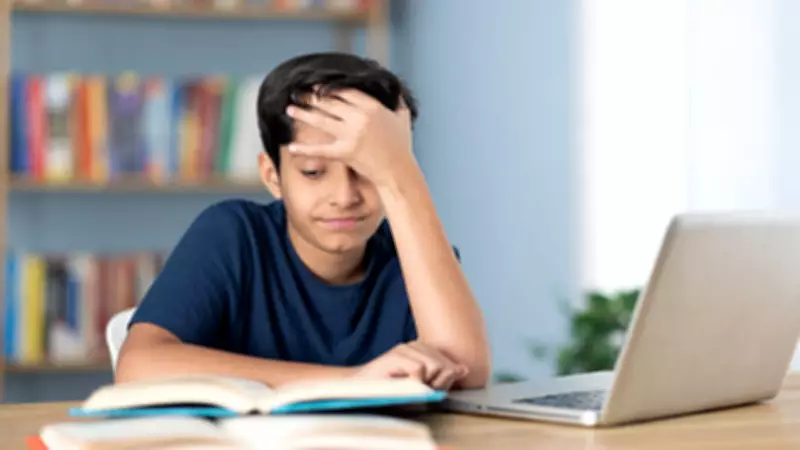
What exactly occurs to children's eyes? Screens demand constant near focus, and unlike reading a physical book, digital devices also reduce blink frequency. For children, this often results in dry, fatigued eyes by day's end. Parents might observe signs like frequent eye rubbing, sitting excessively close to screens, or reports of headaches following screen use.
Holiday Routines Exacerbate Eye Strain
During school terms, fixed routines provide some structure. Holidays dismantle this framework, leading children to:
- Spend hours binge-watching or gaming without adequate breaks.
- Use devices in poor lighting or awkward postures.
- Replace outdoor play with indoor screen time.
- Sleep later, often with screens immediately before bedtime.
These habits collectively contribute to severe eye strain. Moreover, reduced time outdoors is particularly detrimental, as natural daylight is known to slow myopia progression in children.
Practical Strategies for Parents to Mitigate Risks
Completely eliminating screens is impractical, given their role in education, curriculum, entertainment, and social interaction. However, small, consistent changes can yield significant benefits. Experts recommend the following measures:
- Build Breaks into Screen Time: Implement the 20-20-20 rule—every 20 minutes, encourage children to look at something 20 feet away for 20 seconds.
- Prioritize Outdoor Time: Even during Delhi's intense summers, schedule outdoor activities in early mornings or post-sunset hours to ensure at least 1.5 to 2 hours of daily exposure to sunlight.
- Create Screen Boundaries: Establish fixed timings for device use to prevent unlimited access and overuse.
- Make the Setup Eye-Friendly: Ensure good lighting, proper posture, and maintain screens at a comfortable distance. Opt for larger screens like televisions over mobile phones or tablets when possible.
- Pay Attention to Subtle Signs: Be vigilant for symptoms such as squinting, frequent eye rubbing, or avoidance of visual tasks, which may indicate refractive errors requiring professional eye checks.
A Long-Term Shift in Children's Eye Health
The current scenario extends beyond temporary strain; it reflects a fundamental shift in how children utilize their eyes daily, with effects manifesting earlier than ever. Summer holidays should ideally offer respite from routine pressures, yet increasingly, children's eyes are working harder than before.
While screens may keep children occupied, it is time spent away from them that ultimately safeguards their vision for the future.
Insights provided by Dr. Rajat Kapoor, Pediatric and Neuro-Ophthalmologist at Dr. Agarwals Eye Hospital, Rajouri Garden.