

Texas Hospital Residency Program Ignites Diversity Debate Over International Medical Graduates
A significant controversy has erupted concerning diversity in medical training after an anti-vaccine campaigner publicly criticized a Texas hospital residency program for its exclusive reliance on international medical graduates. This incident has sparked a heated discussion on social media, highlighting sensitive issues around immigration, patient safety, and the role of foreign-trained doctors in the U.S. healthcare system.
Social Media Post Draws Attention to Residency Composition
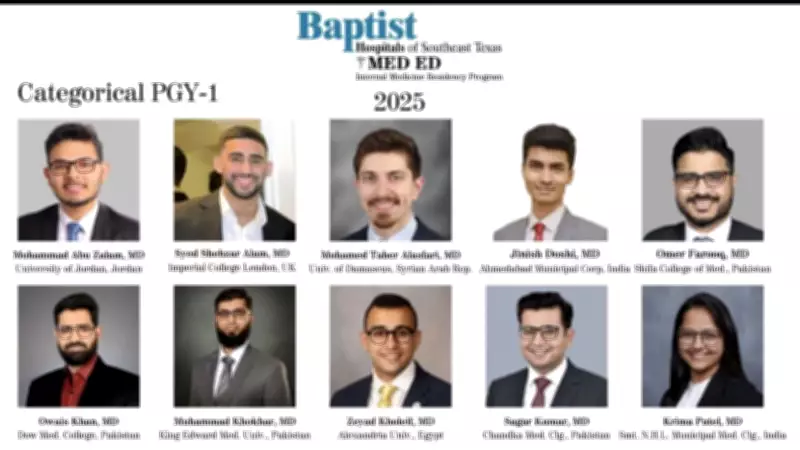
Mary Talley Bowden, a Houston-based board-certified ear, nose, and throat surgeon and founder of BreatheMD, posted on X, commenting on the incoming internal medicine residents at Baptist Hospitals of Southeast Texas in Beaumont. Her post noted that all 13 first-year internal medicine trainees were international medical graduates, with six hailing from medical schools in Pakistan and others from countries like India. The absence of U.S. medical graduates in this particular group drew immediate attention and scrutiny.
Bowden, a well-known advocate against vaccine mandates, shared this information, which quickly went viral. The residency program, based at a community hospital serving a large regional population, fills its positions through the National Resident Matching Program. Publicly available data for the 2025 intake confirms the class includes doctors from Jordan, the United Kingdom, Syria, Egypt, India, and Pakistan, all of whom graduated from non-U.S. medical schools.

Reactions and Broader Implications
The post elicited a sharp reply from commentator Richard Hanania on social media, who responded by saying, "It's funny because this woman is an anti-vaxxer. At least the Pakistanis won't kill their patients." This exchange underscored the divisive nature of the debate, touching on stereotypes and perceptions about international medical graduates.
Many social media users argued that Bowden's post unfairly singled out doctors based on their training abroad, potentially fueling harmful stereotypes. They emphasized that international medical graduates often bring diverse perspectives and skills to U.S. hospitals, contributing significantly to patient care. Historical match data reveals that the Beaumont internal medicine program has a higher proportion of international graduates compared to the national average, where typically about 44 percent of internal medicine positions are filled by such graduates.
Context and Ongoing Discussions
This incident has broader implications for medical training and diversity in healthcare. It raises questions about:
- The recruitment strategies of residency programs in community hospitals.
- The challenges faced by international medical graduates in gaining acceptance and recognition.
- The impact of social media discourse on public perception of healthcare professionals.
As the debate continues, it highlights the need for a nuanced understanding of how medical education and immigration policies intersect. The controversy serves as a reminder of the ongoing efforts to ensure equitable and effective healthcare delivery, while respecting the contributions of all medical professionals, regardless of their country of training.






