

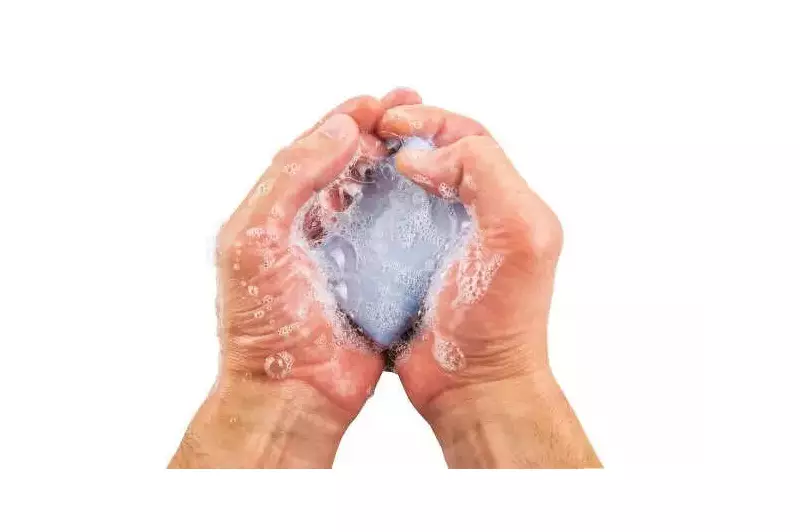
Soap is an indispensable part of our daily routine, used for washing hands, dishes, and bathing. Yet, the fascinating chemistry that makes this simple bar so effective often goes unnoticed. While water alone struggles with grease, soap transforms cleaning into an easy task, playing a vital role in personal hygiene and public health.
Why Water Fails Against Grease and Oil
The primary challenge in cleaning is often oily or greasy dirt. Water molecules are strongly attracted to each other but repel oil molecules. This fundamental property of water means it cannot dissolve or wash away grease that clings to skin, surfaces, or fabrics. The oil acts as a glue, trapping dirt and harmful germs, making water-only washing ineffective for proper cleanliness.
The Dual-Nature of a Soap Molecule
Soap's power lies in the unique, two-sided structure of its molecules. Each soap molecule is engineered with two distinct ends: one end is hydrophilic (water-loving) and the other is hydrophobic (oil-loving). When soap is introduced to water, the oil-loving ends latch onto grease and dirt particles. Simultaneously, the water-loving ends face outward, binding with the surrounding water. This clever design allows soap to act as a bridge, mobilizing oil into the water.

Trapping Dirt in Microscopic Bubbles Called Micelles
During cleaning, soap molecules perform a remarkable feat. They surround particles of grime and grease, forming tiny spherical structures known as micelles. Inside these microscopic pockets, the dirt and bacteria are imprisoned. The outer surface of the micelle, made of water-loving ends, allows it to float freely within the water. This process effectively lifts the dirt away from the skin or surface, preventing it from reattaching.
Once the dirt is encapsulated, rinsing with water easily carries the micelles away. This is why soapy water turns cloudy and why thorough rinsing is essential to remove the trapped grime completely.
Soap's Power to Destroy Germs
Soap does more than just remove visible dirt; it is a potent weapon against germs. Many viruses and bacteria have protective lipid (fatty) membranes or coatings. The oil-loving tails of soap molecules are attracted to these lipids, prying them apart and breaking down the germ's protective shell. This action effectively neutralizes many pathogens, rendering them harmless and easy to wash away.
This is precisely why health experts globally emphasize washing hands with soap, especially before eating and after using the restroom. This simple act, powered by basic chemistry, is one of the most effective tools for preventing the spread of infectious diseases and maintaining personal health.
Understanding this everyday science highlights that a humble bar of soap is not just a cleaning agent but a cornerstone of modern hygiene and wellness.






