

The Great Toilet Seat Debate: More Than Just Courtesy
This is one of those classic arguments that can spark discussions between couples or even arise when rules are set for hesitant parents. Is it more respectful to have the toilet seat up or down? While this often seems like a simple matter of courtesy, beneath the surface lies a much deeper issue of cleanliness and health.
Debunking the "Dirty Seat" Assumption
We frequently envision the toilet seat as the ultimate harbor for pathogens that can make us sick, but this idea requires further scientific scrutiny. Understanding the behavior of microorganisms in the bathroom environment can significantly impact our daily habits and hygiene practices.
The common belief is that a toilet seat harbors many potentially lethal germs and bacteria. However, a study published in the Journal of Home Economics of Japan revealed that the bacterial flora on toilet seats in public washrooms was quite minimal. Most of the microorganisms detected were harmless skin-related ones, not the feared fecal bacteria we often imagine. The research also noted some seasonal variations, with bacterial counts being higher during wet seasons.

The Real Culprit: The Toilet Plume Phenomenon
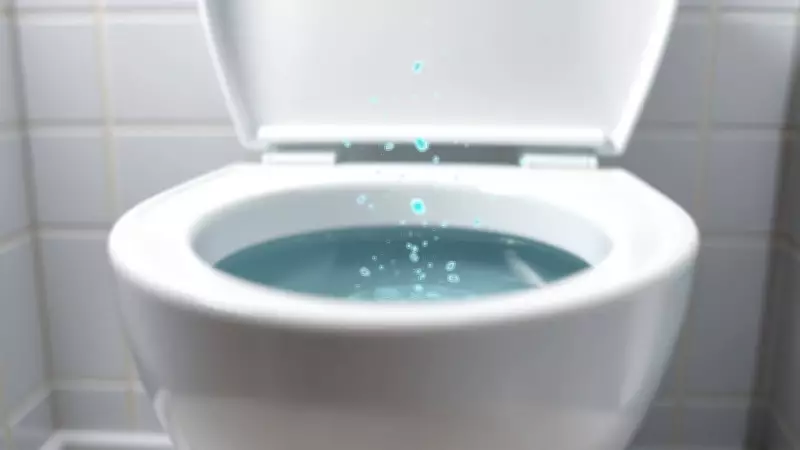
The true action begins when you flush the toilet. This flushing generates what is known as a toilet plume—an aerosolized cloud of droplets that can potentially harbor viruses and bacteria, dispersing them into the air. Many people believe that closing the lid will prevent this aerosolization, but scientific findings in the American Journal of Infection Control on the "air gap phenomenon" prove otherwise.
Closing the lid helps reduce the spread of germs, but it does not completely eliminate the risk. According to the study, even with the lid down, the lid may not entirely prevent germ transmission; however, it can reduce the amount of germs by at least half compared to flushing with the toilet lid raised. Smaller particles, such as viruses, can move through gaps between the seat and toilet lid much more easily than larger particles like bacteria. Therefore, even with the lid down, there will always be some residual risk as germs eventually settle on surfaces like the floor, towels, or nearby toothbrushes.
Beyond the Seat: The Importance of Floor and Surface Cleanliness
If the toilet seat is not the primary source of contamination, then where does the problem occur? In most cases, bathroom floors are more contaminated than other areas in residential bathrooms because gravity draws aerosols to settle on them. Consequently, ensuring true bathroom hygiene requires attention to more areas than just the toilet bowl when cleaning.
To stay ahead of germs, scientists recommend using effective disinfectants. Research indicates that certain compounds are particularly effective at reducing viral contamination if allowed to sit for a sufficient amount of time. Even simple mechanical cleaning, such as using a wet wipe to physically remove microbes from the seat and rim, can make a substantial difference in maintaining a safe environment.
Practical Hygiene Tips for a Cleaner Bathroom
Posture and sanitation are both crucial aspects of bathroom hygiene. Lingering on the toilet for extended periods, such as browsing through your phone while sitting, can invite health risks. The hard seat can cause added stress to deeper tissue areas, potentially impairing blood flow, especially for individuals with restricted movement.
The discussion on whether to keep the toilet seat up or down may never be conclusively settled at the dinner table, but the scientific truth remains clear. To minimize germ spread, ensure the toilet lid is down before flushing to prevent spray. Afterward, mop the bathroom floor and allow disinfectants to work effectively. A spotless bathroom goes beyond surface cleaning; it involves addressing the invisible mists generated after each flush.
Key Takeaways:

- Closing the toilet lid reduces aerosolized germs by at least half but does not eliminate them entirely.
- Bathroom floors often harbor more germs than toilet seats due to settling aerosols.
- Regular use of disinfectants and mechanical cleaning is essential for comprehensive hygiene.
- Avoid prolonged sitting on the toilet to reduce health risks and maintain proper blood flow.





