

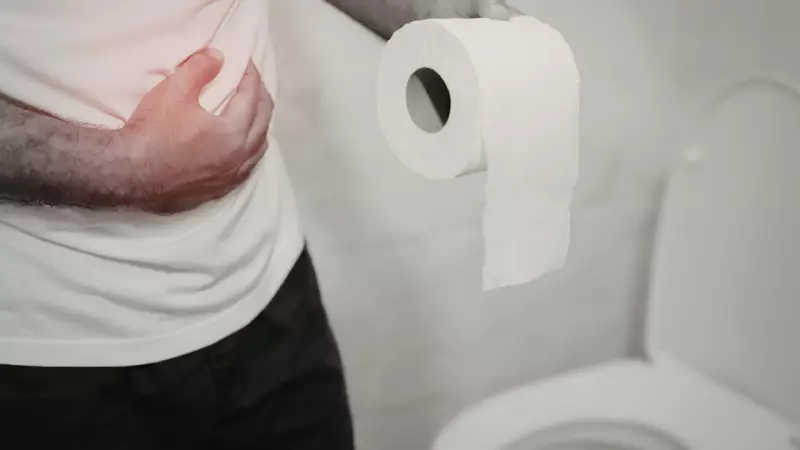
Imagine getting fecal matter on your arm. Your immediate instinct would be to wash it off thoroughly with water and soap. Yet, when it comes to cleaning one of the most vulnerable and bacteria-prone areas of the body, many rely solely on dry toilet paper. This glaring disconnect in hygiene standards is a significant concern for medical professionals, who link it to a host of recurring health issues.
The Hidden Dangers of Conventional Dry Toilet Paper
Dr. Tarek Pacha, a practising urologist, encounters the consequences of this inadequate hygiene daily. Patients frequently visit him suffering from chronic irritation, persistent infections, and discomfort they have resigned themselves to living with. The problem, he points out, often stems from the very product meant to clean: toilet paper.
Common toilet paper is often treated with bleach, formaldehyde, and PFAS (per- and polyfluoroalkyl substances). These chemicals can transfer to sensitive mucosal tissues upon use. Furthermore, dry wiping is fundamentally inefficient; it primarily smears waste rather than removing it. This action can push fecal bacteria toward the urethra, especially in women, creating a primary pathway for urinary tract infections (UTIs).

Research supports this, showing that those who use dry toilet paper can retain up to ten times more bacterial load on their hands compared to people using water-based methods. This residue easily spreads to other surfaces, perpetuating a cycle of contamination. The abrasive nature of the paper can also cause micro-tears in the delicate perineal skin, providing an entry point for pathogens and leading to inflammation.
The Vicious Cycle of Irritation and Infection
Dr. Pacha describes a self-perpetuating loop triggered by dry toilet paper. Initial irritation leads to more vigorous and frequent wiping, which further inflames the skin, causing itching and breakdown. This cycle sustains conditions like hemorrhoids, anal fissures, and perianal dermatitis. Often, these are treated only for their symptoms, while the root cause—ineffective cleaning—remains unaddressed.
The chemical irritants like formaldehyde and PFAS linger, compounding sensitivity and posing potential long-term health risks. Dr. Pacha attributes many cases of recurrent UTIs in women and worsening prostatitis in men directly to suboptimal perineal hygiene. These conditions severely impact quality of life but respond remarkably well to simple, targeted changes in cleansing habits.
Evidence-Based Alternatives for Better Health
The solution, according to dermatological and urological standards, is water-based cleansing. Studies from Japan and elsewhere indicate that bidet users achieve a 90% greater reduction in bacteria after defecation. This method also promotes faster recovery of the mucosal lining and reduces redness (erythema).
For those without access to installed bidets, Dr. Pacha recommends practical alternatives. Using lukewarm water followed by gentle patting with a soft towel or air-drying helps maintain the skin's protective barrier. Fragrance-free, biodegradable wet wipes can offer interim relief.
Inexpensive and portable bidet attachments, which can cost less than $50 (roughly ₹4,000), are a viable option. These devices attach to standard toilet fixtures and provide a direct stream of water, often with effective drying features, making the transition to water-based hygiene seamless.
Real-Life Impact: From Chronic Suffering to Relief
The clinical outcomes in Dr. Pacha's practice speak volumes. A 35-year-old educator who endured six UTIs annually saw complete resolution after switching to bidet hygiene. The change profoundly impacted her sense of bodily autonomy. Similarly, a middle-aged male patient struggling with chronic anal itching and hemorrhoidal flare-ups found relief and restored skin integrity within weeks of adopting this new habit.
Dr. Pacha advises a systematic four-week trial of improved hygiene practices, monitoring for symptomatic relief. He reframes the shift from dry paper to water not as a luxury but as an essential component of preventive healthcare. The benefits extend beyond comfort to include reduced need for medical interventions, lower healthcare costs, and overall improved well-being.

The science of hygiene is evolving beyond the ubiquitous toilet paper. Water-centric methods support the body's natural pH balance and moisture regulation. The next time you think about cleanliness, apply the "arm-wiping principle": our most sensitive areas deserve the same, if not better, care. With readily available innovations, enhanced perineal health is an achievable goal for everyone.





