

For millions of Indians enduring long hours at desks, in traffic, or on flights, ending the day with heavy, aching legs is a common plight. This modern sedentary lifestyle is taking a silent toll on vascular health. However, a leading vascular surgeon from Vadodara offers a remarkably simple and effective solution that can be done anywhere, in just 30 seconds.
The Peripheral Heart: Why Your Calves Matter
With 18 years of clinical experience, Dr. Sumit Kapadia, a vascular surgeon practicing in Vadodara, emphasizes that the calf muscles act as the body's "peripheral heart." When we sit for prolonged periods, this natural pump system slows down, allowing blood to pool in the lower legs. This leads to swelling, numbness, a cold sensation in the feet, and end-of-day fatigue. Over time, it increases the risk of more serious conditions like varicose veins and deep vein thrombosis (DVT).
"Our modern lifestyles trap people in chairs, inhibiting the essential pumping action of our leg muscles," explains Dr. Kapadia, who regularly shares this advice through videos and social media posts for office workers and frequent travellers.

The 30-Second Miracle: How Ankle Pumps Work
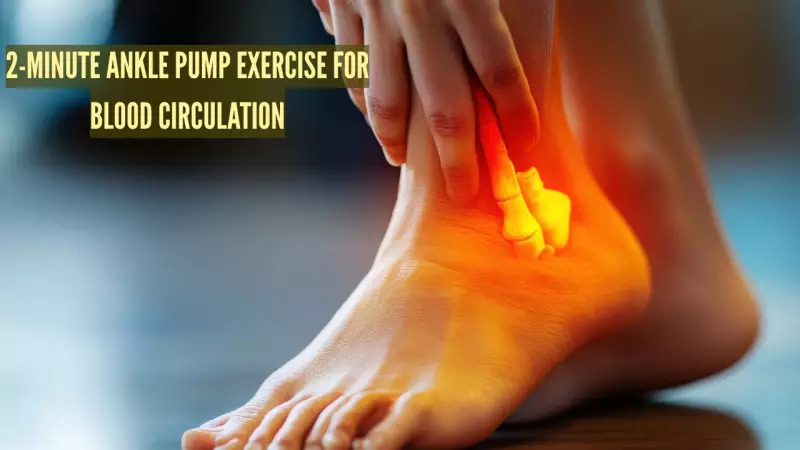
The prescribed quick fix is the ankle pump exercise. This movement involves flexing and pointing the ankles, which actively engages the calf muscles. Each contraction helps push deoxygenated blood back up toward the heart against gravity, simulating the benefits of walking even while seated.
Research supports this practice, showing that calf muscle contractions from ankle pumps improve venous return and can significantly reduce leg swelling. For individuals in early stages of vascular concerns, this exercise promotes leg health without any special equipment.
Dr. Kapadia stresses a preventive approach over seeking a cure later. His patients report noticeably less fatigue since incorporating these pumps into their daily routines. Maintaining strong leg circulation is key to long-term independence and avoiding bigger vascular issues.
Step-by-Step Guide to Ankle Pumps
Performing the exercise is straightforward:
- Sit upright in a chair, feet off the floor if possible, with knees relaxed.
- Slowly point your toes away from you, stretching the calf muscles fully. Hold for a moment.
- Then, pull your toes back toward your shins, feeling the engagement in the front of your legs.
Repeat this smooth motion 20 to 30 times, completing one set. Aim to do this for just 30 seconds every hour. If you're not at a chair, you can do the same motion lying down. Dr. Kapadia demonstrates in short reels that it fits seamlessly into office breaks or plane journeys. Focus on controlled movement rather than speed.
For enhanced effect, pair the exercise with deep breathing. If swelling occurs, elevate your feet slightly afterward. Consistency with hourly mini-sessions yields faster results than an occasional long workout.
Building a Comprehensive Routine for Leg Health
While ankle pumps are a powerful tool, Dr. Kapadia suggests combining them with other habits for optimal vascular health:
- Take brisk, short walks every hour to stimulate all leg muscles.
- Consider wearing compression socks during prolonged sitting or long-haul travel.
- Stay adequately hydrated and avoid tight clothing around the waist.
- Incorporate flavonoid-rich foods like berries and leafy greens into your diet to strengthen blood vessels.
- Avoid smoking, which hardens arteries and impairs circulation.
Walking remains the best activity for circulation, but ankle pumps perfectly fill the gaps during sedentary periods. Dr. Kapadia calls it one of the most effective desk-friendly health tools available. You can track progress by noting how your legs feel daily or measuring ankle circumference weekly.
The benefits manifest quickly: many notice lighter legs within days, reduced numbness in a week, and decreased swelling as fluid drainage improves. For high-risk situations like long flights, these pumps help lower DVT odds by maintaining blood flow. Athletes use them for recovery, and even bed-ridden patients benefit from the movement.

Dr. Sumit Kapadia advises consulting a specialist if you experience persistent pain, skin changes, or swelling, as these may require further investigation. However, for most people, this simple, proactive exercise can be a game-changer for daily comfort and long-term vascular wellness, proving that small, consistent actions can lead to significant health victories.





