

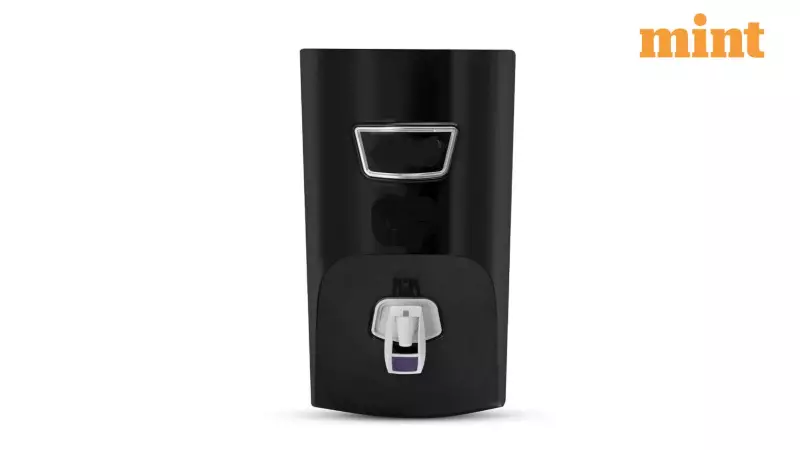
Installing a water purifier at home often brings a sense of finality to the quest for clean drinking water. However, this feeling of security can be dangerously misleading. The reality is that numerous threats to water quality arise not from the municipal supply alone, but from how we choose, set up, and care for our purification systems. Seemingly minor oversights can systematically dismantle the protection offered by even the most sophisticated technology.
The First Blunder: Picking the Wrong Purifier for Your Water
A critical error occurs right at the purchase stage. Many households buy a water purifier without first understanding the specific contaminants in their tap water. Different regions in India face distinct water challenges. Your locality might have water with high Total Dissolved Solids (TDS), while another battles microbial contamination, excess hardness, or chemical pollutants like pesticides.
Selecting the wrong technology for these conditions leads to poor outcomes. Using a basic Ultraviolet (UV) purifier in a high-TDS area will leave dissolved salts untouched. Conversely, installing a powerful Reverse Osmosis (RO) system where water is already soft and low in TDS can strip away beneficial minerals unnecessarily, affecting taste and nutritional balance.

Furthermore, practical factors like incoming water pressure and storage requirements are frequently ignored. Some purifiers malfunction under low pressure, and others are not designed for homes with intermittent water supply. Matching the purifier's technology to your actual water profile and home infrastructure is the non-negotiable first step toward ensuring safety.
The Silent Sabotage: Neglecting Regular Maintenance
Water purifiers rarely break down dramatically. Instead, their performance degrades quietly over time when maintenance is delayed. A common trigger for procrastination is the water's clear appearance. This visual clarity is deceptive. Filters clogged with invisible contaminants can become bypass routes for bacteria, viruses, and chemicals.
Each component has a lifespan that must be respected. Delaying the replacement of sediment and carbon filters allows impurities to pass through and stops odour improvement. In RO systems, a worn-out membrane loses efficiency and can lead to increased water wastage. A UV lamp that continues to glow may have lost its germicidal intensity. Sticking to the manufacturer's maintenance schedule is crucial, as the decline in water quality happens long before any visible signs appear.
Another typical habit is cleaning only the exterior while forgetting internal components. The storage tank, connecting pipes, and faucet outlet can become breeding grounds for biofilm and bacteria if not sanitised periodically.
Installation and Daily Use Errors That Invite Risk
Faulty installation can compromise a system from day one. Incorrect plumbing connections might allow untreated water to leak into the purified stream. Poor drainage setups for RO systems can cause backflow or pressure issues. These flaws often go unnoticed because the machine seems to run normally.
Daily usage patterns also introduce risks. Using purified water for unsuitable tasks, like filling a hot water kettle directly from the purifier's outlet, can damage sensitive membranes and filters. Storing purified water for excessively long periods in the tank without ensuring its hygiene promotes microbial growth.
A particularly risky practice is turning off the purifier for extended durations, such as during vacations. Water left stagnant inside the filters and chambers becomes a perfect habitat for pathogens. Flushing the system thoroughly before reuse is essential, yet this step is commonly overlooked.
Ultimately, safe drinking water is the product of a well-functioning system, not just a device. The selection, installation, maintenance, and daily usage are interconnected links in a chain. A weakness in any one link undermines the entire safety protocol. The greatest danger is the false confidence that leads people to stop questioning their water's quality once a purifier is installed.

Protecting your family's health requires proactive attention. Begin by testing your source water, choose technology accordingly, follow maintenance calendars diligently, and use the appliance as intended. True water safety is not a one-time purchase but a continuous practice.





