

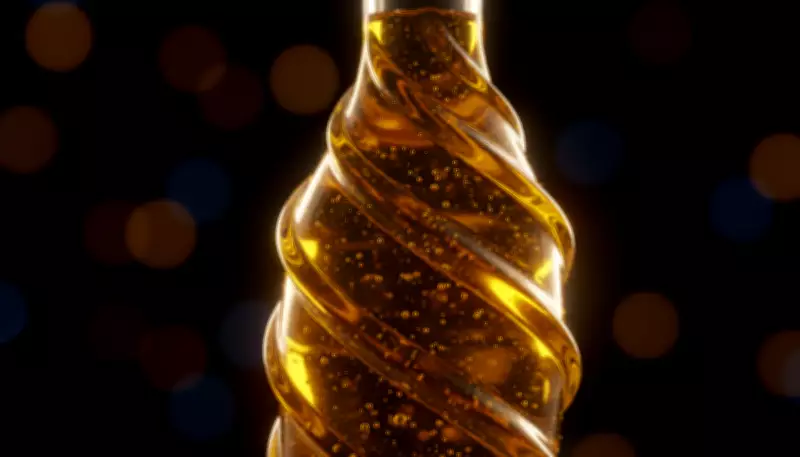
In most modern kitchens, one will notice an elegant-looking clear bottle of golden olive or sunflower oil resting on the countertop near the stove. The bottle almost has a trophy-like look whenever sunlight beams into the kitchen, appearing to glow as if there is victory within the cooking domain. However, beneath the bottle's beauty lies a rather strong chemical reaction that brings down the quality of the oil. While we often worry about the expiration date of the oil, what causes the oil to deteriorate is actually sunlight itself.
The Science of Light-Induced Oil Spoilage
As light falls on oils, their slow spoilage is not the only thing that happens. There is the initiation of the photo-oxidation process whereby light causes the formation of free radicals, which then oxidize the fatty acids found in the oil. The oxidation not only spoils the taste by making the food have a soapy flavor but also robs the oil of its nutritional content. This process is often overlooked by home cooks who assume that as long as the oil is within its expiration date, it remains safe and healthy to use.
Understanding the "Induction Time" of Oils
All oil bottles come with their own natural protection mechanism against damage through natural antioxidants that offer themselves for neutralization of free radicals. However, there comes a certain period when the antioxidants are spent, and beyond that lies the induction time. The journal Food Chemistry highlights the process of deterioration of the protective mechanism very rapidly. Scientists utilized sophisticated thermographic techniques to determine the precise time when the process of degradation of oils starts, depending on varying light intensities. They revealed that light, even at moderate intensity, severely reduces the duration of the protection. This process is linearly dependent on light intensity.

According to the study, oils can vary in terms of their role as either antagonists or protagonists in combating the effects of light. The most resistant to photo-oxidation is rice bran oil, while corn and soybean oils are almost equally resistant. Again, this all depends on their antioxidants. So, if your choice of oil does not have any antioxidants and if you are keeping it in a transparent container near sunlight, you will be fast-tracking its degradation. While natural antioxidants offer initial protection, their depletion leads to rapid deterioration, with rice bran oil showing the most resistance. Proper storage in cool, dark, opaque containers is crucial to preserve oil quality.
How Packaging Choices Affect Oil Quality
If the oil has been damaged by sunlight, it will behave differently once you take it into the kitchen. You may be very much concerned with its smoke point, but what about its pre-smoking stability? Oxidation may occur during packaging, and thus, the oxidation will become even faster once you heat it. The material of your storage and heating vessels also plays a massive role in this aging process. A study titled "How heated vegetable oil ages: Effect of the container of heating on aging" explored how different materials influence the degradation of oil. The researchers discovered that oils stored or heated in copper containers aged and oxidized much faster than those in glass or iron. Copper acts as a catalyst, further speeding up the production of secondary oxidation products that lead to off-flavors and quality loss.
The above-mentioned study suggests that the "memory" of how an oil was stored stays with it. An oil that has been "pre-damaged" by light and stored in a reactive metal container will produce more harmful organic compounds, such as aldehydes, when you finally use it to fry or sauté. This is why professional chefs and food scientists emphasize the use of dark, opaque glass or high-quality stainless steel for storage.

Best Practices for Oil Storage
In the end, the best way to protect your oil is through proper handling. For your favorite ingredients that you use in your kitchen, treat them as if they are expensive wines – put them inside a cool and dark cupboard and make sure that they are away from the warmth of your stove and from any sunlight coming in through the windows. Putting them in opaque containers or putting their clear ones in a dark place will double their antioxidant life. Additionally, avoid storing oil near heat sources like the stove or oven, as heat also accelerates oxidation. Consider transferring oil from large containers into smaller, dark glass bottles for daily use to minimize exposure to air and light. By following these simple steps, you can maintain the quality, flavor, and nutritional value of your cooking oils for a longer period.





