

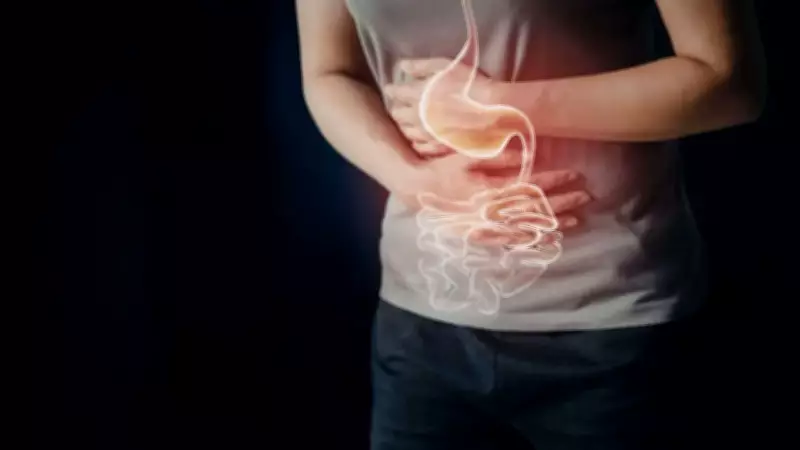
Why Your Digestion Changes Even When Your Diet Stays the Same
Have you ever experienced a day when your usual home-cooked meal suddenly feels heavy and uncomfortable? The spices are identical, the routine is unchanged, yet your stomach reacts differently, leaving you confused and concerned. This shift in digestion is more common than most people realize, as the body is not a fixed machine but a dynamic system that responds to daily life in subtle, often overlooked ways. Small changes in routine, mood, or sleep can quietly influence how food is processed, leading to unexpected digestive discomfort.
The Silent Role of Stress in Slowing Your Gut
Stress rarely stays confined to the mind; it travels straight to the stomach, triggering a protective response in the body. When under pressure, blood flow diverts away from digestion toward vital organs, slowing down food movement through the gut. This can result in bloating, heaviness, or sudden constipation. Dr. Amit Miglani, Director & HOD – Gastroenterology at Asian Hospitals, explains, "Stress can slow down digestion. When you are stressed, your body finds it hard to digest food." A study by the National Institutes of Health (NIH) highlights how stress directly alters gut movement and sensitivity, emphasizing that even mild, everyday stress can change stomach behavior. While most changes are normal, persistent symptoms should not be ignored.
Sleep: The Overlooked Digestive Reset
Sleep is not merely rest; it serves as crucial repair time for the entire digestive system. Poor sleep disrupts hormone balance, affecting stomach emptying and enzyme release. Individuals who sleep less often report acidity, irregular bowel movements, or discomfort after meals. Dr. Miglani adds, "Sleep is also important. If you do not sleep well, your digestion can suffer." According to the Centers for Disease Control and Prevention (CDC), inadequate sleep is linked to digestive issues and metabolic imbalances, meaning a late night can easily manifest as a heavy stomach the following day.

Aging Changes Digestion, Slowly but Steadily
The body does not age overnight, but small internal changes accumulate over time. As people grow older, the production of digestive enzymes can decrease, and gut muscles may slow down slightly, causing food to take longer to break down and move through the system. Dr. Miglani explains, "As we get older, our body slows down. Our digestive system also changes. Our body produces fewer digestive enzymes, which can make it hard to digest food." This gradual shift is why foods that once felt light may suddenly become difficult to process.
Your Gut Bacteria Are Always Evolving
The gut hosts trillions of bacteria that aid in breaking down food, absorbing nutrients, and supporting immunity. However, this microbial balance is not permanent; it shifts with infections, medications, travel, or minor lifestyle changes. Dr. Miglani notes, "The bacteria in our intestines also change. Medications, infections, or changes in lifestyle can cause this, affecting how our body processes food." Research by the National Institute of Diabetes and Digestive and Kidney Diseases (NIDDK) explains how gut microbiome changes impact digestion, indicating that a slight imbalance can alter how the same food feels in the body.
Hydration and Movement: Small Habits, Big Impact
Water and physical activity may seem simple, but they play a vital role in supporting digestion daily. Water helps break down food and ensures smooth bowel movements, while physical movement stimulates the gut, aiding natural food passage. Dr. Miglani says, "Drinking water helps your body digest food. Being physically active also helps." A sedentary day or low water intake can quickly lead to bloating or sluggish digestion, even if meals remain unchanged. Listening to the body and maintaining these simple habits can help restore balance.

When Normal Changes Are Not So Normal
Not every digestive change should be dismissed. Some symptoms signal that the body requires attention, such as persistent bloating, severe constipation, unexplained pain, or sudden weight loss. Dr. Miglani cautions, "Some changes in digestion are normal, but symptoms like bloating, constipation, or stomach pain can be signs of a problem." Regular meals, hydration, stress management, and timely medical advice can make a significant difference in maintaining gut health.
This article includes expert inputs from Dr. Amit Miglani, Director & HOD – Gastroenterology at Asian Hospitals, used to explain why digestion can feel different without dietary changes and the importance of understanding underlying factors for gut health.





