

Experts Reveal Why Playtime Beats Formal Teaching for Toddler Development
Many parents believe that toddlers should learn through books, worksheets, and formal teaching methods. However, child development experts strongly assert that toddlers learn far more effectively through play than through structured educational approaches. Play is not merely a source of entertainment for young children; it is a vital form of self-expression that helps them make sense of their world.
Play serves as a significant activity through which toddlers develop essential language, physical, and social skills. It also fosters self-expression and emotional growth. There are numerous compelling reasons why play-based learning surpasses formal teaching methods during the critical toddler years.
Play Improves Brain Development
During the toddler years, the brain undergoes rapid development, and play acts as a powerful stimulant for brain growth. Activities such as building with blocks, solving puzzles, drawing, and engaging in pretend play encourage toddlers to think critically, imagine creatively, and solve problems independently.

When children play, they make decisions, experiment with new ideas, and learn from their mistakes. This dynamic process enhances memory, boosts creativity, and strengthens problem-solving abilities. While structured teaching might introduce letters or numbers at a young age, play teaches children how to think, which is fundamentally more important for early childhood development.
Play Enhances Language and Communication Skills
Toddlers primarily acquire new vocabulary and communication skills through play and conversation, rather than from textbooks. When children play with parents or peers, they naturally engage in talking, listening, asking questions, and expressing their thoughts.
Pretend play scenarios, such as playing kitchen, doctor, or teacher, provide rich opportunities for toddlers to learn new words and practice sentence formation. Conversational interactions during playtime expand vocabulary and improve communication skills in a relaxed, pressure-free environment.
Play Develops Social and Emotional Intelligence
Playing with other children is an exceptionally effective way for toddlers to acquire crucial social skills. Through play, toddlers learn to share, take turns, cooperate with others, and understand their own emotions as well as those of their peers.
A toddler who regularly engages in group play develops stronger emotional intelligence. Social play is indispensable for emotional and social development, and children who frequently play with others typically exhibit better emotional regulation and interpersonal skills compared to those who focus solely on academic learning.
Play Boosts Physical Development
Play is a highly effective means for toddlers to build physical strength and coordination. Activities like running, jumping, climbing, dancing, and playing with balls help develop fine and gross motor skills.
Outdoor play is particularly beneficial for a toddler's physical health. Children who spend ample time playing outside tend to have better balance, improved coordination, and overall enhanced well-being. Physical development is just as important as cognitive growth during the toddler years, and play remains the optimal way to achieve it.
Play Fosters Curiosity and Creativity
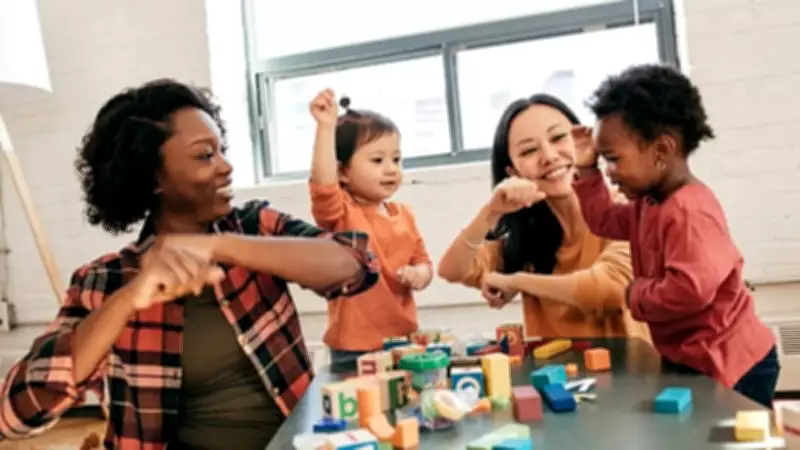
Preschool-aged children, who fall within the toddler age group, are naturally inquisitive. Play allows them to explore and satisfy their curiosity in engaging ways. A toddler who constructs something with blocks or creates a drawing is exercising creativity and imagination.
Children who are encouraged to be creative and imaginative through play are more likely to become problem-solvers and innovators in the future. Learning through fun, playful experiences cultivates a lifelong love for learning, setting a strong foundation for future educational success.
In summary, while formal teaching methods have their place, play-based learning is overwhelmingly supported by experts as the superior approach for toddler development. By prioritizing play, parents and educators can nurture well-rounded children who excel cognitively, socially, emotionally, and physically.






