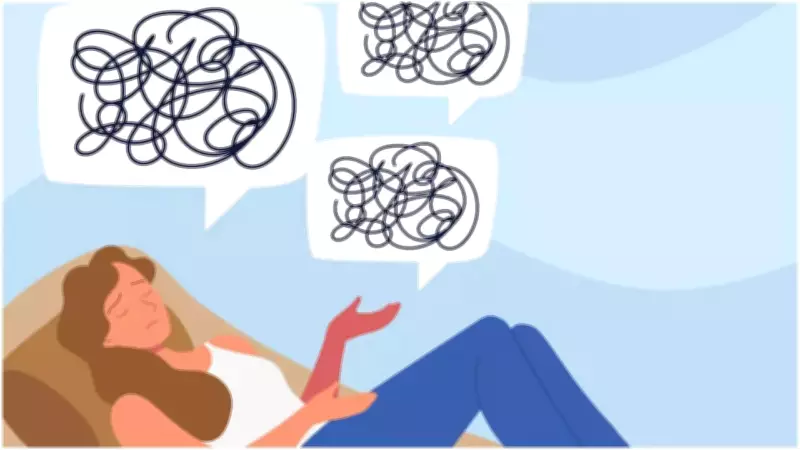
Why Rest Feels Risky for Anxious Minds
For a significant number of individuals grappling with anxiety, the concept of rest does not evoke a sense of calm or rejuvenation. Instead, it often triggers profound discomfort, unease, or even guilt. While society frequently promotes rest as a straightforward act of self-care, for those with anxious minds, this simple act can paradoxically feel dangerous or unsettling.
The Protective Nature of Anxiety
Anxiety, at its core, is the body's evolutionary mechanism for preparing to face potential threats. It keeps the nervous system in a heightened state of alertness, continuously scanning the environment for signs of danger and mobilizing energy to mount a response. In this perpetual state of readiness, staying "on" and vigilant feels inherently protective. Slowing down, by stark contrast, can feel like lowering one's defenses, creating a sensation of vulnerability to perceived threats that may or may not be present.
The Impact of Hustle Culture
Modern hustle culture subtly but powerfully reinforces this anxious pattern. In many societies, productivity is equated with responsibility, worthiness, and even moral virtue. Rest, on the other hand, is often treated as a luxury that must be earned or justified through prior hard work. From a very young age, many people internalize the belief that constant busyness is a marker of competence and personal value. Over time, this conditioning fosters a deep-seated guilt associated with taking breaks, transforming rest from a biological necessity into something that feels like a personal failure.

The Role of Digital Overstimulation
This dynamic is further amplified by our near-constant exposure to social media and the internet. In today's digital age, the nervous system is rarely granted the opportunity to truly disengage. A relentless stream of notifications, breaking news cycles, messages, and updates ensures there is always something demanding a reaction, comparison, awareness, or anticipation. This ongoing bombardment of stimuli sustains a state of hypervigilance, making genuine stillness an unfamiliar and uncomfortable experience. The absence of external stimulation often brings internal tensions and intrusive thoughts to the surface, which anxiety has trained the mind to avoid.
Ultimately, rest demands the exact opposite of what an anxious system has been conditioned to do: it requires stopping the constant monitoring, pausing the relentless problem-solving, and cultivating trust that nothing urgent is being overlooked. This fundamental conflict explains why, for so many, rest feels less like a refuge and more like a risk.