

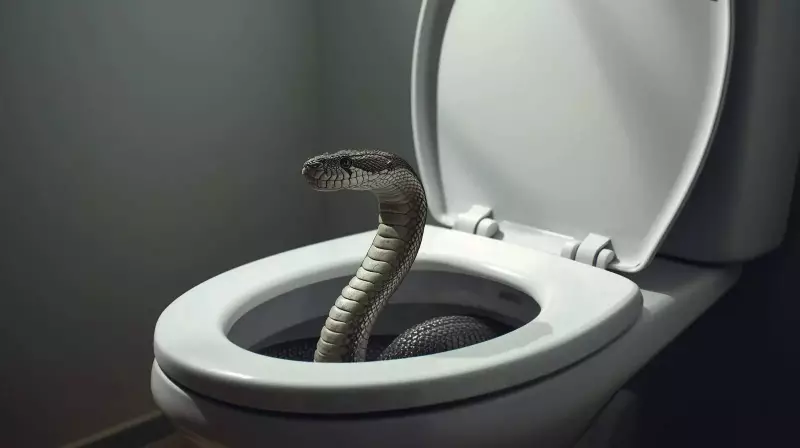
The sudden, chilling thought is one that many have had: what if a snake emerges from the toilet? This unsettling idea often strikes during a late-night bathroom visit, fueled by urban legends and shared stories. While the vast majority of people will never encounter such a scenario, the fear persists, amplified by its sheer improbability. The reality, however, is far less dramatic than the imagination suggests. Snakes are not plotting bathroom invasions; they are accidental visitors, victims of geography and circumstance.
Why Pipes and Drawns Attract Snakes
To understand why snakes sometimes end up in toilet bowls, one must look at the underground world they navigate. Underground pipes and sewer lines are not hostile environments for snakes. In fact, they mimic the natural spaces snakes seek: they are narrow, dark, and offer stable temperatures that provide respite from the scorching heat above ground. These networks serve as convenient, short-term shelters for a snake trying to avoid predators or extreme weather.
Furthermore, these drainage systems connect vast areas, allowing a snake that enters through a broken drain cover or an open pipe to travel significant distances unseen. The toilet is merely one of the few endpoints of this extensive network—an accidental exit, not a destination.

The Key Triggers: Food, Floods, and Design
Several factors converge to make a toilet encounter possible. Firstly, food sources play a quiet but crucial role. Sewers and drains attract rodents, frogs, and insects. A snake hunting these prey items may follow them into the pipe system, unaware of where the narrow passage leads until it suddenly opens into the wider space of a toilet bowl.
Secondly, moisture and temperature are significant draws, especially during India's intense summer heatwaves. The damp, cooler air inside pipes is a sought-after refuge. However, the most powerful trigger is flooding due to heavy rains or storms. When drains fill rapidly, snakes already inside are forced to move upward to avoid drowning. The vertical toilet pipe often presents the most accessible escape route to the surface.
Lastly, toilet design is a factor. Toilets are engineered to block gases, not determined animals. The water in the U-bend (trap) can be a barrier, but it is not insurmountable. A flexible, strong-swimming snake can navigate past it. Older plumbing systems, dry traps due to infrequent use, or poor maintenance can increase this vulnerability, though incidents remain rare.
Risk Factors and Practical Prevention
Certain conditions elevate the risk, albeit slightly. Homes near open drains, wetlands, fields, or with poor sanitation infrastructure are more susceptible. Flood-prone areas and buildings with outdated plumbing also see a marginally higher chance of such occurrences.
The critical thing to remember is that snakes do not emerge with intent to attack. A snake found in a toilet is typically disoriented, stressed, and far more interested in retreating. Bites in these scenarios are exceedingly rare and are defensive reactions, not acts of aggression.
Homeowners can take simple, sensible steps to minimize risk:
- Ensure all external drain covers are secure and intact.
- Manage rodent populations that attract snakes.
- Regularly maintain plumbing and ensure water traps do not dry out.
- Consider installing non-return valves in toilet pipes in high-risk areas.
These measures are about sensible prevention, not panic. The truth behind the terrifying stories is a quieter one of accidental geography. Toilets are not invitations but rare and unintended exits, a fleeting connection to a hidden world that quickly returns to silence.






