In the diverse tapestry of life, a startling pattern emerges for a select group of creatures. For them, the act of reproduction is not a milestone but a biological finale, a one-time event that culminates in death. This phenomenon, observed across vastly different species from insects to mammals, is not a tragic accident but a programmed life strategy.
What is Semelparity? The One-Chance Life Strategy
Biologists term this pattern semelparity. It is a life history strategy where an organism invests all its energy into a single, massive reproductive event before dying. Comparative studies show that in these species, growth and bodily maintenance are priorities only until sexual maturity. After that point, every ounce of stored energy and physiological capacity is channeled into reproduction, with no biological provision for recovery. The death that follows is predictable, often occurring within days or weeks, and is a direct result of the reproductive process itself.
The Mechanisms Behind the Ultimate Sacrifice
Research across field and laboratory studies has identified several recurring mechanisms that drive this post-mating demise. These are not caused by external factors like predation or disease, but are internally triggered.

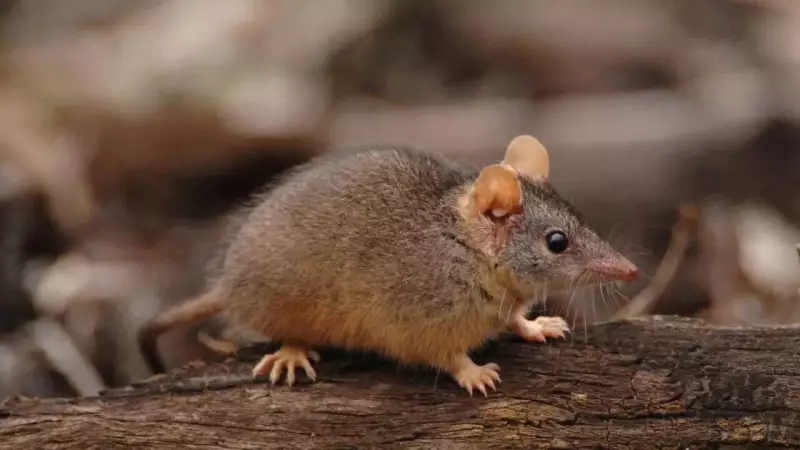
1. Stress Hormone Overload: In male antechinus, small Australian marsupials, cortisol levels skyrocket during the intense mating season. This leads to a complete collapse of the immune system. Similarly, in some lamprey species, reproductive hormonal changes cause a rapid immune decline and death shortly after spawning.
2. Sexual Cannibalism: For some, death comes directly from their partner. The male redback spider deliberately positions himself to be eaten by the female during mating, which increases sperm transfer. Female praying mantises are also known to consume males during copulation, often starting with the head, while mating continues via spinal reflexes.
3. Abstinence and Energy Depletion: Many octopus species cease feeding entirely after mating. Females guard their eggs for months, breaking down their own body tissue for sustenance until they die. Adult mayflies emerge without functional mouthparts; their brief adult life is dedicated solely to mating before their energy reserves are utterly depleted.
6 Notable Examples of Species That Die After Mating
Male Antechinus: These carnivorous marsupials experience a brutal end after their first and only mating season. Prolonged mating bouts cause cortisol to surge, leading to gastric ulcers, internal bleeding, and fatal immune suppression. Females survive to raise the young.
Some Lamprey Species: After an upstream migration, adults stop feeding to focus on nest building and spawning. Their body mass plummets, muscle tissue deteriorates, and their immune system fails, leading to death within days of releasing their eggs or sperm.
Redback Spiders: Death for the male is an active part of mating. By offering himself to be cannibalized, he ensures longer copulation and higher fertilization success, a trade-off evolution has favored.
Praying Mantis: Cannibalism during mating is common, even when the female is well-fed. The male's death is immediate and inextricably linked to the reproductive act.
Octopus Species: Both males and females meet their end post-reproduction. Males decline rapidly after mating, while females waste away while diligently guarding their egg clutches, never eating again.
Adult Mayflies: In one of the most ephemeral adult stages in the animal kingdom, mayflies cannot eat. Their entire existence is a short, frantic swarm for mating before exhaustion claims them.
This ultimate reproductive strategy highlights a stark evolutionary calculus: when survival beyond a single breeding event offers little advantage, the body is organised for a dramatic, all-in finale. The study of semelparity provides profound insights into the diverse and often extreme paths life takes to ensure its continuation.