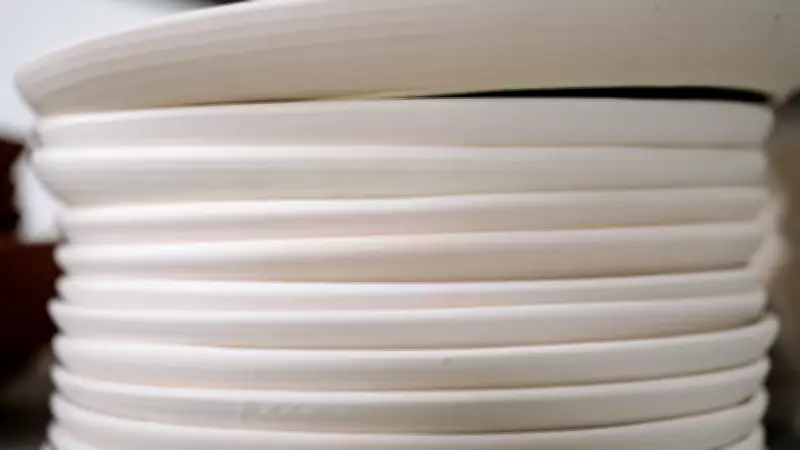
Plate warming is a common practice in restaurants that can easily be replicated at home. This simple technique offers several benefits, including maintaining food temperature, enhancing flavor perception, and improving presentation.
Why Warming Plates Improves Food Temperature and Taste
One of the primary reasons restaurants use heated plates is heat preservation. When hot food is placed on a cool plate, the plate absorbs heat rapidly, causing the food to cool faster than desired. Heat transfers quickly from hotter to cooler objects, impacting the taste of the food.
According to food experts, heat moves rapidly from warmer to cooler materials, thus affecting flavor. A heated plate helps maintain the optimal temperature, preserving the aromas. Hot food tastes significantly better when served at the right temperature, and a heated plate ensures that hot food stays hot, directly influencing flavor.

How Restaurants Use Warm Plates for Presentation and Quality
For professionals, plate warming is not just a process but an essential element that affects the entire presentation of a dish. The serving temperature is crucial for quality and customer satisfaction. Warming dishes is vital for achieving certain effects at the table, not only during preparation.
High-end restaurants typically use specialized devices like ovens or plate warmers to heat dishes, ensuring that every plate leaving the kitchen is at the correct temperature. Even simple dishes like grilled meat or pasta benefit from this practice, as sauces need to remain liquid and textures perfect.
How to Warm Plates at Home Safely and Effectively
Implementing this practice in your own kitchen is easier than you might think. Here are a few options to keep your dishes warm:
- Place plates in a low-temperature oven (approximately 60-80°C).
- Rinse plates under hot water and dry them before serving.
- Warm dishes using a microwave with a damp towel.
Food should be heated to at least 63°C to inhibit bacterial activity. While heating dishes does not replace food preservation, it extends the period for safe consumption. Keep in mind that excessive heat can damage or break your dishes, so avoid overdoing it.
Why This Small Detail Makes a Big Difference
Although warming plates may seem like a simple gesture, it significantly influences your meal preparation. It maintains food temperature, improves taste, and adds a professional touch to your dining experience. Small details can make the difference between decent cooking and truly great cooking. Warming plates is one such detail.
Whether you are preparing a quick family dinner or entertaining guests, warming your plates is a simple step that elevates the meal.