

Surgeon Explains Why You Hear Voices in the Shower: A Brain Illusion
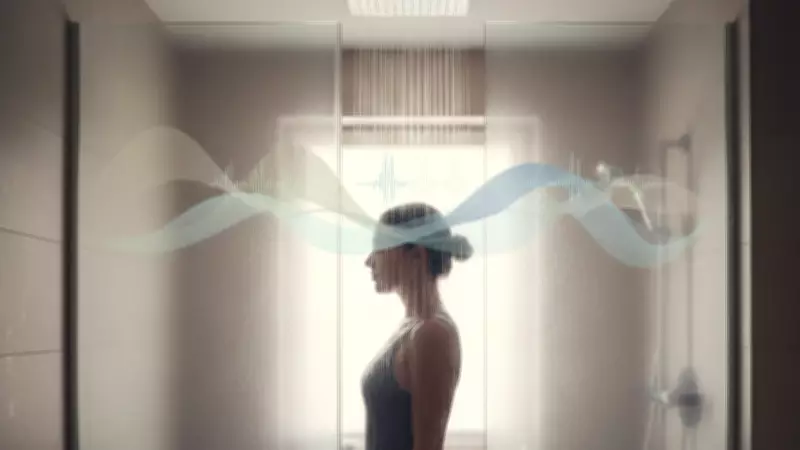
If you have ever stopped mid-shower, convinced you heard someone calling your name or a phone ringing, you are far from alone. This surprisingly common experience is often a harmless brain trick known as auditory pareidolia, according to health experts. UK-based surgeon and content creator Dr. Karan Rajan recently shed light on this phenomenon in an Instagram post, describing it as a normal cognitive process.
What Is Auditory Pareidolia?
Dr. Rajan explained that auditory pareidolia occurs when the brain, wired to detect patterns for survival, encounters white noise like running water. Instead of ignoring it, the brain scans memory for familiar sounds and projects them onto the noise. This can lead to hearing screams, phone rings, or your name being called. "Your brain fills in the gap with what it expects to hear, not what's actually there. Your brain is gaslighting itself," he noted. This is similar to seeing faces in clouds, but auditory versions feel creepier because the brain initially believes the sounds are real, causing you to turn off the water in alarm only to find silence.
Why Does It Happen in the Shower?
The shower, along with activities like hoovering, brushing teeth, or driving on a highway, provides low stimulation with background white noise. Dr. Rajan points out that this monotony forces the brain to fill the void, sometimes with problem-solving or creativity instead of fear. "Your brain needs that monotony to wonder and make unexpected neural connections. So if you're trying to unlock more creativity, go and do something incredibly boring," he advised. This state can enhance mental clarity by activating the brain's default mode network, associated with reflection and idea generation.

Distinguishing Harmless Illusions from Health Concerns
Dr. Jagdish Chattnalli, a senior minimal invasive brain and spine surgeon at HCG Hospitals Bengaluru, clarifies that harmless auditory pareidolia typically occurs in specific situations with background noise, such as showering or using a fan. The sounds are vague, fleeting, and not distressing, with people quickly realizing they are not real. In contrast, auditory experiences that may signal underlying neurological or mental health issues are more persistent, structured, and occur without background noise. "They may involve distinct voices, commands, or conversations, and are often accompanied by emotional distress, confusion, or sleep disruption," Dr. Chattnalli stated. If voices feel intrusive or uncontrollable, seeking medical evaluation is crucial.
The Role of White Noise in Brain Misinterpretation
White noise creates an ideal environment for the brain to misinterpret sounds because it is continuous and unstructured, lacking clear meaning. Dr. Chattnalli explains that the brain, as a pattern-seeking organ, fills in gaps using memory and imagination. In silence, there is minimal input to interpret, while loud or structured noise leaves little ambiguity. "White noise sits in between, creating the ideal conditions for the brain to impose familiar patterns such as voices or words. This is a normal cognitive process rather than a malfunction," he said.
Using Low-Stimulation Activities for Creativity
Engaging in low-stimulation activities like showering, walking, or light chores can safely boost creativity and mental clarity by promoting the default mode network. Dr. Chattnalli recommends treating these moments as brief mental pauses rather than prolonged isolation, while maintaining regular sleep, social interaction, and daily routines for overall well-being.






