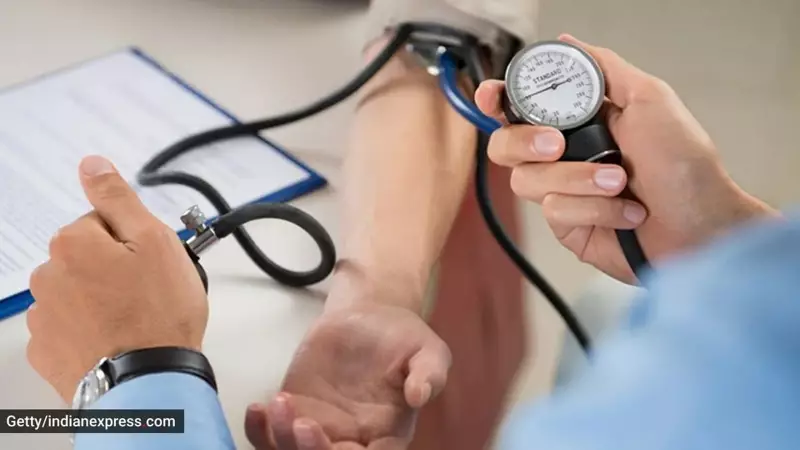
Have you ever wondered why your blood pressure reading is perfectly normal at home, but shoots up the moment a nurse wraps the cuff around your arm at the clinic? You are not alone. This common phenomenon has a name: White Coat Hypertension.
What is White Coat Hypertension?
According to Dr. Rahul Gupta, Director and Cardiologist at Gleneagles Hospital in Parel, Mumbai, it is indeed common for individuals to record normal blood pressure at home but show elevated readings in a clinical setting. This condition, triggered by the anxiety of a medical visit, is termed white coat hypertension.
"People often feel anxious, stressed, or nervous during a hospital visit," Dr. Gupta explained. "Even the fear of medical tests, the atmosphere of waiting rooms, or simply seeing a doctor can temporarily raise BP levels." Other factors like rushing to the appointment, climbing stairs, lack of sleep, caffeine intake, or even talking during the measurement can also contribute to a higher reading.
The Science Behind the Spike
So, what exactly happens inside your body? Dr. Parin Sangoi, Consultant Interventional Cardiologist at Wockhardt Hospitals, Mumbai Central, elaborated on the physiological response. Worrying about results, being in unfamiliar surroundings, or recalling past health scares can activate the body's stress response.
"These hormones temporarily narrow blood vessels and increase heart rate, leading to a short-term spike in blood pressure," Dr. Sangoi told indianexpress.com. Dr. Gupta concurred, stating that the release of stress hormones makes the heart beat faster and constricts blood vessels, causing a sudden rise.
While white coat hypertension itself is not always immediately dangerous, both doctors caution against ignoring it. "It should not be ignored, as some people may later develop true high BP," stressed Dr. Gupta. Unrecognised, persistent high blood pressure can silently damage the heart, kidneys, brain, and eyes over time.
How to Get an Accurate Diagnosis and Avoid Overtreatment
The key challenge is distinguishing between temporary clinic-induced spikes and genuine hypertension to avoid unnecessary long-term medication. Dr. Gupta and Dr. Sangoi recommend a proactive approach centred on home monitoring.
Here is what you should do:
Regularly check your blood pressure at home using a reliable, validated digital monitor. Ensure you sit calmly for at least five minutes before taking a reading. Avoid tea, coffee, smoking, or exercise for 30 minutes prior to checking. Most importantly, maintain a log of these home readings.
"Sharing home BP records with your doctor helps in the correct diagnosis," advised Dr. Gupta. This data provides a clearer picture of your baseline blood pressure outside the stressful clinic environment. In some cases, doctors may suggest 24-hour ambulatory BP monitoring for a comprehensive assessment.
For overall blood pressure management, lifestyle modifications remain crucial. Managing stress through techniques like meditation, exercising regularly, reducing salt intake, and ensuring adequate sleep are fundamental. Dr. Gupta's final advice is clear: "Follow the guidelines given by your doctor and keep the BP within the normal range." By tracking readings accurately and communicating with your healthcare provider, you can ensure appropriate treatment and avoid prescriptions for medication you might not need.
Disclaimer: This article is based on information from the public domain and expert inputs. Always consult your healthcare practitioner for personal medical advice.