

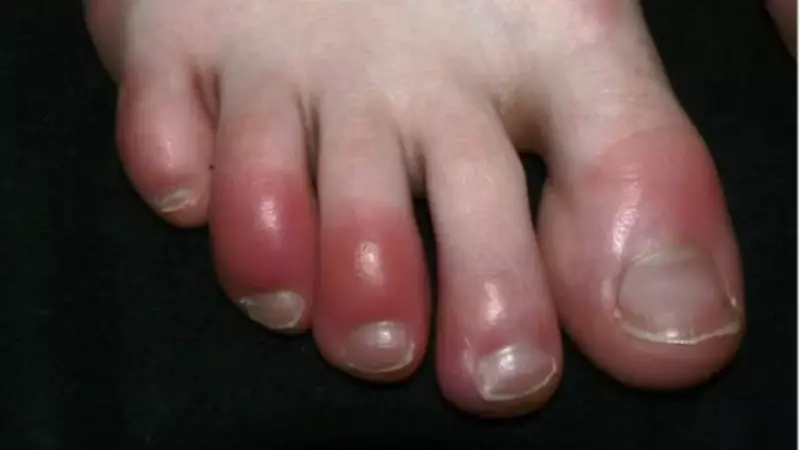
For many, winter is a season of cozy blankets and hot drinks. But for others, it brings a painful and itchy skin condition that turns fingers and toes into swollen, red patches of misery. This common winter woe is known as chilblains, and it strikes when the skin reacts badly to cold temperatures.
What Exactly Are Chilblains and What Causes Them?
Chilblains are inflammatory lesions that appear on the skin after exposure to cold, but not freezing, air. They are different from frostbite and commonly occur in damp, chilly climates where temperatures hover just above freezing. The problem starts when the body tries to protect its core temperature.
In cold conditions, the tiny blood vessels near the skin's surface in extremities like fingers, toes, ears, and the nose constrict tightly to reduce heat loss. The trouble begins during rewarming. If you move too quickly from the cold into a warm environment—by rushing to a heater or plunging hands into hot water—these vessels open up too rapidly. This sudden dilation causes fluid to leak into the surrounding tissues, leading to inflammation, noticeable redness, swelling, and that signature intense, burning itch.

Who is at Risk and What are the Symptoms?
Certain factors increase vulnerability to chilblains. Individuals with a slimmer build or less body fat have less natural insulation. Smokers face higher risk as nicotine further constricts blood vessels. Underlying health conditions like Raynaud's phenomenon, anemia, diabetes, or poor circulation also make one more susceptible. Practical aspects like wearing tight shoes, damp socks, or living in homes with inconsistent heating can turn minor cold exposure into a full-blown flare-up.
Symptoms typically appear 12 to 24 hours after exposure to the cold. The first signs are red or purplish patches on the skin that feel hot and tender, similar to bruises. This is followed by severe itching and a prickling sensation, which often worsens during rewarming. Affected areas, especially toes and fingers, can swell significantly. In severe cases, the skin may blister, crack, or even develop ulcers, raising the risk of infection. While toes are most commonly affected, fingers, noses, cheeks, and earlobes can also be targets. Children are not spared and often get chilblains from playing outside without adequate hand protection.
Effective Treatment and Smart Prevention Strategies
The cornerstone of treating chilblains is gentle and gradual rewarming. Avoid direct heat. Instead, allow the body to warm up slowly. Soaking affected areas in lukewarm (not hot) water can help. Afterward, pat the skin dry gently and apply a fragrance-free moisturizer or petroleum jelly to soothe the area. Over-the-counter anti-inflammatory drugs like ibuprofen can reduce pain and swelling. It is crucial to avoid scratching, as this can break the skin. Elevate the affected limbs and keep them dry. Most chilblains heal on their own within one to three weeks. However, if you notice signs of infection like pus, fever, or if the sores do not heal, consult a doctor promptly.
Prevention is always better than cure. Dressing in loose, layered clothing made of moisture-wicking materials helps maintain a stable body temperature. Keep your core warm to ensure good blood flow to the extremities. Wiggle your fingers and toes regularly to promote circulation. When coming in from the cold, transition to warmth gradually. Quitting smoking can dramatically improve blood vessel health. For those with recurring issues or poor circulation, discussing options like vasodilator medications or compression gear with a doctor is advisable. In chronically cold environments, using heated gloves, socks, or insoles provides excellent extra protection.
While chilblains are painful and irritating, they rarely cause permanent damage. With awareness and these simple, smart habits, you can ensure your winter remains cozy and free from this seasonal skin trouble.






