

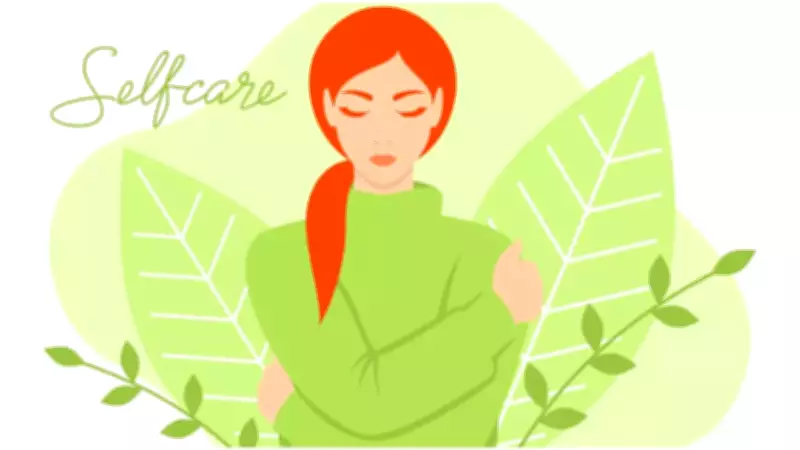
Women Redefine 'Goodness' by Prioritizing Self-Care Over Sacrifice
For generations, women have been celebrated for their unwavering contributions to households, communities, and workplaces. The archetype of the "Good Woman" has long been defined by her willingness to compromise, adjust, and persevere even in exhaustion. However, a profound transformation is underway as women increasingly make bold choices about their careers, boundaries, health, and inner peace. Despite facing quiet criticism or skeptical glances, they are discovering a powerful truth: taking care of oneself is not an act of selfishness but a fundamental component of survival, responsibility, and authentic strength.
The Inherited Script Is Finally Being Rewritten
Historically, women have been subtly yet consistently taught to prioritize the needs of others above their own. This pattern manifested in countless ways—mothers eating only after everyone else was fed, daughters being urged to "adjust" to circumstances, and wives silently bearing burdens without complaint. Making independent decisions now feels like a direct challenge to these deeply ingrained values. Consequently, contemporary women are actively questioning and dismantling stereotypes. They ask why sacrifices should always be one-sided and why a woman's exhaustion is praised while her boundaries are often met with disapproval.
This Is Not a Revolt—It's an Awakening of Self-Love
The shift is not about rebellion but about cultivating a profound awareness of self-love. In therapy rooms and counseling sessions, a clear narrative is emerging: women who once managed everything for everyone are now grappling with stress, burnout, and a fragmented sense of identity. The emotional labor—the hidden effort of remembering anniversaries, maintaining social connections, and anticipating others' needs—has become overwhelmingly demanding over time, leaving many unable to recognize themselves.

Economic and Emotional Independence Fuel the Change
This transformation is largely driven by increasing financial freedom. Today, women are launching enterprises, building careers, and making autonomous life decisions. They view this independence not as an act of disobedience but as a rightful claim to their own liberty. With economic agency comes psychological empowerment. A woman who learns to earn and grow is far less likely to tolerate emotional neglect or inequitable partnerships. She confidently walks away from environments that seek to diminish her, fully aware of her inherent worth.
Choosing oneself does not mean rejecting family or relationships. It means engaging in them as a complete individual—not as an invisible or self-sacrificing entity.Redefining the Very Essence of 'Good Womanhood'
The traditional concept of a "good" woman is being radically reimagined. A good woman can now allow herself to rest, pursue ambition, and assert, "This doesn't work for me." Young girls observe mothers who prioritize self-care, exercise regularly, attend workshops, maintain careers after parenting, and openly discuss wellness. These daughters are witnessing powerful examples of self-love and self-respect in adulthood, which fosters a crucial generational shift. When women choose themselves, they model healthy boundaries for their children—sons learn to respect autonomy, and daughters learn that they deserve it too.
Navigating the Inevitable Guilt
Change is rarely comfortable, and setting personal priorities often triggers feelings of guilt. Whether taking time to relax or saying no to demands, an inner voice may criticize these actions. However, guilt should not be mistaken for a reliable moral compass. Sometimes, it merely reflects outdated conditioning that has been practiced for decades. Self-care is not synonymous with egoism; a woman who is centered and content can be more present and less resentful. Relationships built on mutual respect are far healthier than those rooted in silent sacrifice.

A Broader Cultural Adjustment Is Underway
What some may label as selfishness is, in reality, a reclaiming of peace. For too long, the notion of care has been misunderstood. A woman's self-determination represents a significant cultural shift that underscores the importance of her aspirations, health, and dignity. Taking care of oneself is not a privilege—it is essential maintenance, a form of prevention, and an expression of self-respect. Moreover, when a woman makes choices for herself, she does not abandon others; she simply refuses to abandon herself. This is not selfish—it is evolution.
This is an authored article by Shruti Swaroop, Founder of Embrace Consulting.





