

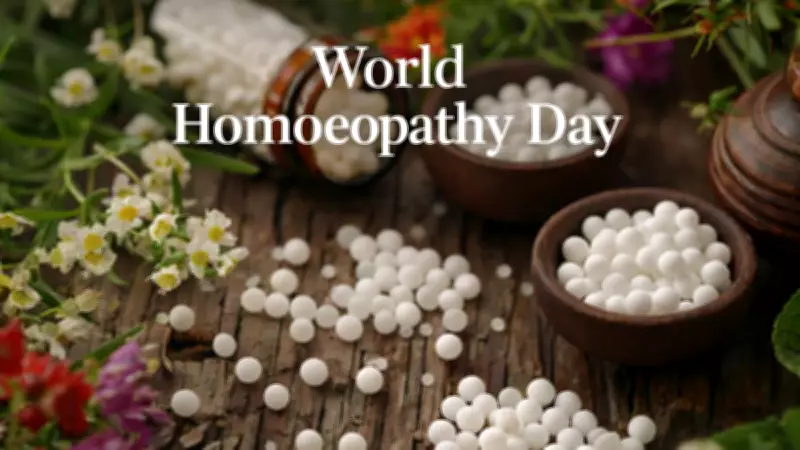
World Homeopathy Day 2026 Sparks Debate on Homeopathy Safety and Side Effects
As the world observes World Homeopathy Day on April 10, 2026, a significant discussion has emerged among medical professionals and researchers regarding the safety and potential side effects of homeopathic treatments. This annual event, dedicated to promoting awareness of homeopathy, has brought renewed attention to the ongoing debate between proponents of this alternative medicine system and critics who question its scientific basis.
Understanding Homeopathy and Its Principles
Homeopathy is a system of alternative medicine founded in the late 18th century by Samuel Hahnemann, based on the principle of "like cures like." This approach involves using highly diluted substances that, in larger amounts, would produce symptoms similar to those of the condition being treated. Practitioners believe these dilutions, often to the point where no molecules of the original substance remain, can stimulate the body's self-healing mechanisms.
The preparation process involves serial dilution and succussion (vigorous shaking), which homeopaths claim imparts therapeutic properties to the remedy. Common homeopathic treatments include remedies for allergies, arthritis, and respiratory conditions, often used alongside conventional medicine in integrative approaches.

Safety Concerns and Reported Side Effects
While homeopathy is generally considered safe due to its high dilution levels, experts highlight several potential risks and side effects that warrant careful consideration:
- Delay in seeking conventional treatment: One of the most significant concerns is that patients might rely solely on homeopathy for serious conditions, potentially delaying diagnosis and effective treatment with evidence-based medicine.
- Adverse reactions to undiluted substances: In rare cases, improperly prepared remedies or those containing toxic substances in insufficient dilution could cause adverse effects, though such instances are uncommon with regulated products.
- Interactions with conventional medications: Although homeopathic remedies are highly diluted, there is limited research on potential interactions with prescription drugs, particularly in complex treatment regimens.
- Placebo effect limitations: Critics argue that any perceived benefits may stem from the placebo effect rather than specific therapeutic action, which could be problematic for conditions requiring active intervention.
Regulatory Landscape and Quality Control
The safety of homeopathic products varies globally, depending on regulatory frameworks. In many countries, including India where homeopathy is integrated into the national healthcare system, these remedies are regulated as drugs under specific guidelines. However, in other regions, they may be classified as dietary supplements with less stringent oversight.
Quality control measures are crucial to ensure that homeopathic preparations are manufactured correctly to avoid contamination or incorrect dilution. Reputable manufacturers follow Good Manufacturing Practices (GMP), but the lack of uniform international standards poses challenges for consistency and safety assurance.
Expert Recommendations for Safe Use
On World Homeopathy Day 2026, health authorities and medical associations emphasize several guidelines for the safe use of homeopathic treatments:

- Consult qualified practitioners: Seek treatment from licensed homeopaths who have proper training and adhere to professional standards.
- Disclose all treatments: Inform both your conventional doctor and homeopath about all medications and remedies you are using to prevent potential interactions.
- Use as complementary therapy: Consider homeopathy as a complementary approach rather than a replacement for evidence-based treatments, especially for serious or chronic conditions.
- Monitor for adverse effects: Be vigilant for any unusual symptoms and report them to healthcare providers promptly.
- Rely on evidence-based information: Base treatment decisions on scientific evidence and avoid unsubstantiated claims about cure rates.
The Future of Homeopathy in Healthcare
The debate surrounding homeopathy is likely to continue as research evolves. Proponents advocate for more rigorous clinical trials to validate efficacy, while critics call for clearer communication about the limitations of homeopathic treatments. On this World Homeopathy Day, the consensus among many experts is that patient safety should remain paramount, with informed choice and integrative care models offering a balanced approach.
As the global community reflects on the role of alternative medicine in 2026, the discussion highlights the need for ongoing dialogue between conventional and complementary healthcare systems to ensure optimal patient outcomes without compromising safety standards.





