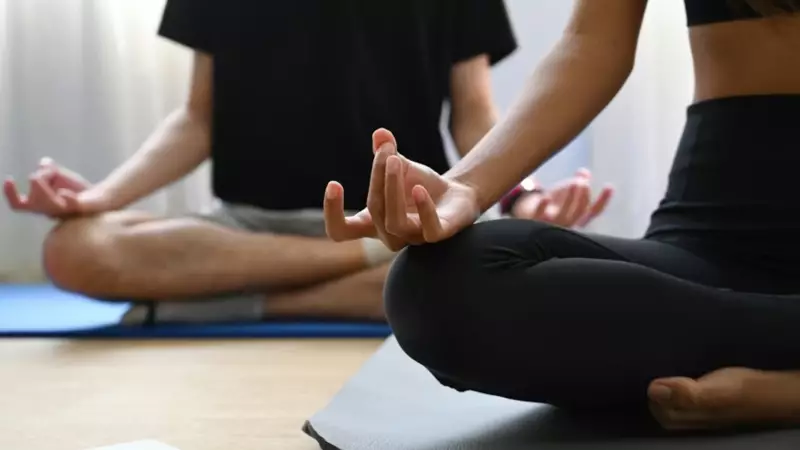
In today's fast-paced world, stress and anxiety have become unwelcome companions for many. Finding a quick and effective way to unwind is crucial for both mental and physical well-being. Yoga, an ancient Indian practice, offers a powerful toolkit for instant relaxation. Certain poses, or asanas, combined with mindful breathing, can activate the body's relaxation response, calming the nervous system almost immediately.
Yoga Asanas to Calm Your Mind and Body
You don't need an hour-long session to feel the benefits of yoga. A few minutes dedicated to these specific poses can make a significant difference. The key is to move slowly, hold each posture with awareness, and synchronize your movements with deep, steady breaths. This practice helps release physical tension and quietens the mental chatter, guiding you toward a state of instant calm.
Balasana (Child's Pose) is a fundamental resting pose that promotes deep relaxation. To practice it, kneel on the floor, sit back on your heels, and then gently fold forward, resting your forehead on the mat. Extend your arms forward or place them alongside your body. This forward-fold position gently stretches the back, hips, and thighs while encouraging introspection and surrender, making it a perfect refuge during moments of overwhelm.

Uttanasana (Standing Forward Bend) is another excellent pose for releasing tension. From a standing position, exhale and hinge at your hips to fold forward. Let your head hang heavy and bend your knees slightly if needed. This inversion increases blood flow to the brain, has a calming effect, and helps relieve stress and mild depression by soothing the mind.
Restorative Poses for Deep Release
For deeper relaxation, restorative poses that are supported by props or the floor itself are highly effective. These asanas require minimal muscular effort, allowing the body to fully let go.
Viparita Karani (Legs-Up-the-Wall Pose) is a gentle inversion that is incredibly soothing. Sit close to a wall and swing your legs up so your body forms an L-shape. Rest your arms by your sides. This pose reverses blood flow, reduces swelling in the legs, and calms the nervous system. It's a wonderful way to decompress after a long day.
Supta Baddha Konasana (Reclining Bound Angle Pose) is a heart-opening posture that combats fatigue and anxiety. Lie on your back, bring the soles of your feet together, and let your knees fall open to the sides. You can place cushions under your knees for support. This pose helps release deep tension in the hips and groin while promoting a sense of emotional openness and tranquility.
Integrating Breath for Maximum Effect
No relaxation practice is complete without focusing on the breath, or pranayama. Conscious breathing is the bridge that connects the physical postures to mental peace.
Anulom Vilom (Alternate Nostril Breathing) is a powerful technique to balance the left and right hemispheres of the brain, bringing immediate mental clarity and calm. Sit comfortably, use your right thumb to close your right nostril, and inhale through the left. Then, close the left nostril with your ring finger, release the right, and exhale. Continue this alternating pattern for a few minutes to center your mind.
Savasana (Corpse Pose), though often saved for last, is perhaps the most important pose for integration and deep relaxation. Lie flat on your back, arms slightly away from your body with palms facing up, and legs relaxed. Close your eyes and focus on releasing every part of your body, from your toes to your scalp. Spend at least five minutes in Savasana to allow the benefits of your practice to settle in fully.
Incorporating these six poses into your daily routine can serve as a powerful reset button for your nervous system. Regular practice, even for short durations, can build resilience to stress and enhance overall quality of life. Remember, the goal is not perfection in the pose, but the conscious movement toward peace and relaxation. Start with just one or two poses today and feel the difference.