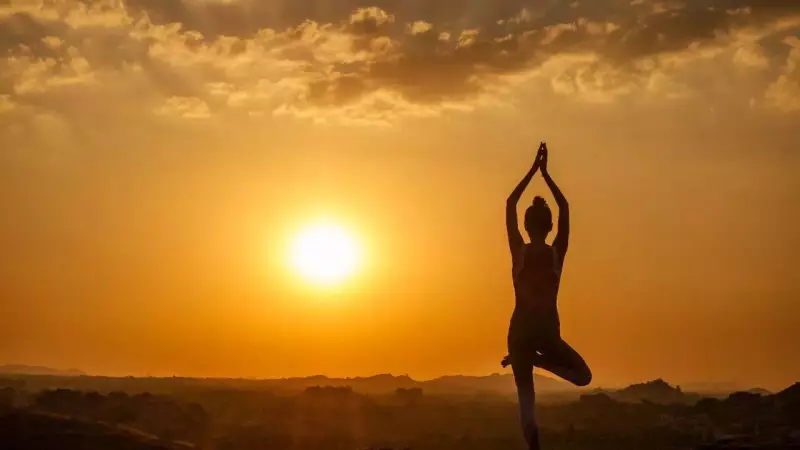
As winter sets in, many experience a natural dip in energy levels and muscle strength, often compounded by reduced physical activity. This seasonal slump can make maintaining a fitness routine challenging. However, an ancient yoga practice, Surya Namaskar or Sun Salutation, offers a powerful and accessible solution. This sequence is renowned for generating internal warmth, combating lethargy, and serving as a comprehensive full-body workout without the need for any equipment.
The Complete Guide to Performing Surya Namaskar
Surya Namaskar is a flowing sequence that begins and ends in the Mountain Pose (Tadasana). It consists of twelve interconnected asanas that incorporate forward bends, backbends, and lunges. The key to its effectiveness lies in synchronizing each movement with the breath, ensuring smooth transitions and minimizing strain. Inhalation is paired with expansion and extension, while exhalation accompanies contraction or folding. This mindful practice activates muscles safely, which is crucial during winter when muscles and the spine tend to be tighter.
Breaking Down the Twelve Poses and Their Advantages
1. Pranamasana (Prayer Pose): Stand with feet together, palms joined at the chest. This pose grounds energy and centers the mind.

2. Hasta Uttanasana (Raised Arms Pose): Inhale, sweep arms up and slightly arch back. This stretches the abdomen, chest, and shoulders.
3. Hastapadasana (Hand to Foot Pose): Exhale and fold forward from the hips. It provides an excellent stretch for the hamstrings, calves, and back muscles.
4. Ashwa Sanchalanasana (Equestrian Pose): Inhale and step the right foot back into a lunge. This expands the chest and stretches the hip flexors.
5. Dandasana (Stick Pose): Step the left foot back to align the body in a straight line. It tones the arms, shoulders, and torso.
6. Ashtanga Namaskara (Eight-Limbed Pose): Lower knees, chest, and chin to the floor. This strengthens the upper body and chest muscles.
7. Bhujangasana (Cobra Pose): Inhale and lift the chest using back strength. It enhances spinal flexibility and opens the chest.
8. Adho Mukha Svanasana (Downward-Facing Dog Pose): Exhale and lift hips into an inverted 'V'. This pose stretches the calves, hamstrings, and back.
The sequence then reverses, moving back through Ashwa Sanchalanasana (this time with the left leg forward), Hastapadasana, Hasta Uttanasana, and finally returning to Pranamasana to complete one round. Repeating this cycle several times amplifies the warming effect on the body.
Essential Warm-Up and Winter-Specific Benefits
Performing a proper warm-up before Surya Namaskar in winter is non-negotiable. It prevents rigidity, reduces injury risk, and allows for better performance of the asanas. An ideal warm-up can include gentle poses like Balasana (Child's Pose), followed by Marjaryasana-Bitilasana (Cat-Cow Pose), and holding Adho Mukha Svanasana and Bhujangasana for a few breaths. This preparation significantly increases the effectiveness of the main practice.
The importance of Surya Namaskar intensifies during the winter months. As the body's metabolism slows and joints stiffen in the cold, this practice acts as a dynamic countermeasure. It is an art that harmonizes body, breath, and mind. The rhythmic breathing paired with movement helps increase blood circulation, build muscle strength, and maintain flexibility. Internally, it stokes the digestive fire, boosts metabolism, and uplifts mood, serving as a natural, caffeine-free energizer. Regular practice also alleviates stress, enhances respiratory power, and fortifies the immune system, offering robust protection against seasonal illnesses.