

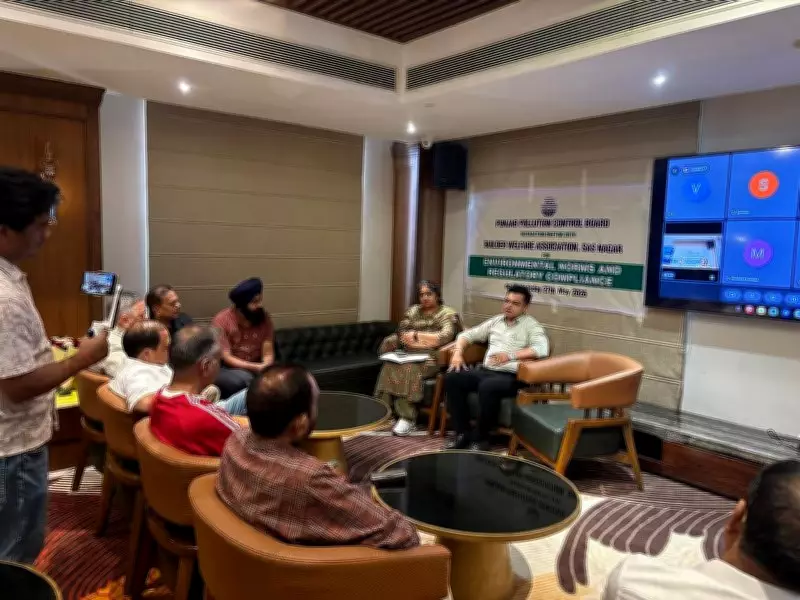
The Punjab Pollution Control Board (PPCB) and builders in Zirakpur recently held a meeting to discuss the escalating need for additional sewage treatment plants (STPs) in the region. The meeting underscored the critical requirement for more STPs to manage the increasing volume of wastewater generated by rapid urbanization and real estate development.
Rapid Urbanization Driving Demand
Zirakpur, a fast-growing suburb near Chandigarh, has witnessed a surge in residential and commercial construction. However, the existing STP infrastructure is insufficient to treat the rising sewage load, leading to environmental concerns. During the meeting, builders emphasized that without adequate treatment facilities, untreated waste could pollute local water bodies and pose health risks.
PPCB's Stance
PPCB officials acknowledged the challenge and stressed the need for collaborative efforts between the board and developers. They urged builders to incorporate advanced STP technologies in new projects and explore decentralized treatment options to reduce the burden on central plants. The board also highlighted the importance of compliance with environmental norms to avoid penalties.

Builders' Concerns
Builders pointed out the high cost of installing and maintaining STPs and sought government subsidies or incentives. They also requested expedited approvals for setting up new plants and clearer guidelines on treatment standards. Some suggested that the government should take the lead in establishing common STPs for clusters of projects to share costs.
Way Forward
The meeting concluded with a consensus to form a joint committee comprising PPCB officials, builder representatives, and local authorities to assess the exact shortfall and propose actionable solutions. The committee will also explore funding mechanisms and technology options to ensure sustainable wastewater management in Zirakpur.
Both parties agreed to meet again within a month to review progress. The outcome of these discussions is expected to shape future policies for sewage treatment in the region, balancing development with environmental protection.

