

5 Easy Steps to Make Your Tulsi Plant Fuller and Greener
Tulsi, also known as holy basil, is one of the easiest plants to grow at home, yet it requires proper care to remain lush, green, and robust. A well-maintained Tulsi plant can bring a sense of calm to your balcony, windowsill, or courtyard, occupying minimal space. This plant, revered for its religious and medicinal significance, also imparts a fresh and soothing ambiance to any home. With consistent and correct care, your Tulsi will naturally flourish into a bushy and healthy specimen.
Many believe a Tulsi plant weakens due to bad luck or an inability to thrive, but this is a misconception. Most issues stem from minor care errors, such as overwatering or insufficient sunlight. Once you understand the basics, maintaining a thriving Tulsi becomes effortless. Below are five easy and mindful steps to help you grow a healthy Tulsi plant.
Disclaimer: Tulsi care may vary depending on climate, soil type, pot size, and sunlight exposure in your home. The following steps are general gardening guidelines and may require slight adjustments based on your plant's specific condition. For severely damaged plants, consult a local nursery expert for tailored advice.

1. Prune Your Tulsi Plant Regularly
Trimming is essential for encouraging side branches rather than vertical growth, which can make the plant tall and spindly. By pinching or cutting off the top growing tip just above a leaf node, you stimulate the plant to grow bushier from the sides. This simple technique is one of the most effective ways to achieve a fuller and healthier Tulsi. Use clean scissors or your fingers to remove the soft top growth regularly.
2. Provide Ample Sunlight
Tulsi thrives in bright sunlight and requires several hours of direct light daily. Prolonged shade can lead to elongated stems and sparse leaves. A sunny balcony, terrace, windowsill, or garden spot is ideal. Adequate light helps the plant remain compact, vibrant green, and fast-growing.
3. Water with Care
Tulsi prefers moist soil but cannot tolerate waterlogging. Always check that the top layer of soil is dry before watering again; avoid adding water if it is still damp. If your Tulsi is potted, ensure the container has drainage holes to prevent root damage from excess water.
4. Use a Little Compost
A small amount of organic compost can significantly boost healthy leaf growth. Tulsi does not require heavy chemical fertilizers, which can actually cause harm if overused. A light, regular feeding schedule is sufficient for home plants. Nutrient-rich soil provides the strength needed for sustained growth.
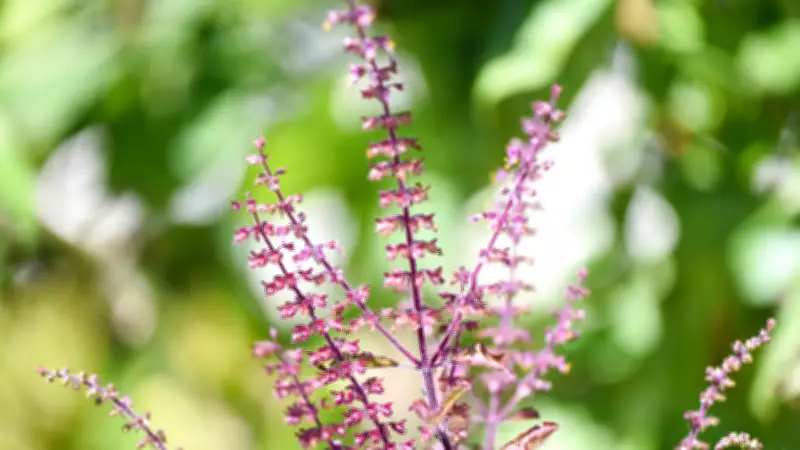
5. Remove Flowers Regularly
If your Tulsi begins to flower, pinch off the flower buds if you want to promote more leaf production and a bushy appearance. Flowering diverts the plant's energy to seed formation rather than fresh, leafy growth. Additionally, inspect the plant regularly for pests like aphids or white spots on leaves. Early detection of such issues helps keep your Tulsi healthy and lush.

