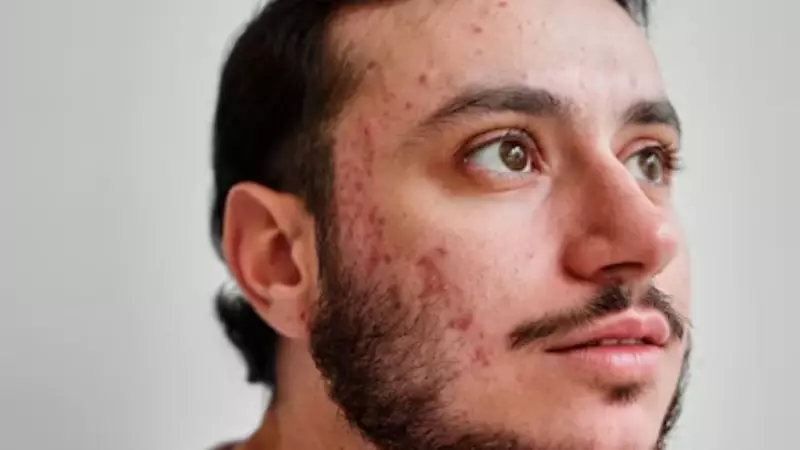
For many individuals, especially women, hormonal acne is a persistent and frustrating skin concern that seems to flare up at the most inconvenient times. Unlike typical teenage acne, these breakouts are deeply tied to internal hormonal fluctuations and often appear around the jawline, chin, and lower cheeks. The good news is that with a targeted approach, it is possible to manage and significantly reduce the frequency of these painful, cystic outbreaks.
Understanding the Root Cause of Hormonal Flare-Ups
Hormonal acne is primarily driven by androgens, such as testosterone. These hormones can stimulate the oil glands in your skin, leading to excess sebum production. This oily environment, combined with dead skin cells, clogs pores and creates a perfect breeding ground for acne-causing bacteria. Key life stages like puberty, menstruation, pregnancy, perimenopause, and even periods of high stress can trigger these hormonal shifts, making the skin more prone to breakouts.
The cyclical nature of this acne means it often coincides with the menstrual cycle, typically worsening in the week before a period begins. Therefore, a generic skincare routine may not be sufficient. Combating hormonal acne requires a dual strategy: addressing the internal triggers while caring for your skin externally.

Six Effective Strategies to Keep Hormonal Acne at Bay
1. Adopt a Consistent and Gentle Skincare Routine
Harsh scrubs and aggressive cleansing can strip the skin, triggering more oil production and inflammation. Instead, opt for a gentle, non-comedogenic cleanser twice daily. Incorporating key ingredients can make a substantial difference. Salicylic acid helps to unclog pores, while niacinamide can calm inflammation and regulate oil. For persistent acne, dermatologists often recommend retinoids, which promote cell turnover and prevent pore blockages.
2. Re-evaluate Your Diet and Hydration
While the link between diet and acne is complex, certain foods may exacerbate inflammation. Some studies suggest that high-glycemic foods (like sugary snacks, white bread, and processed items) and dairy products can worsen acne for some people. Monitoring your diet to identify potential triggers is a crucial step. Equally important is drinking plenty of water to help flush out toxins and keep your skin hydrated from within.
3. Manage Stress Effectively
Chronic stress elevates cortisol levels, a hormone that can increase oil production and worsen acne. Integrating stress-reduction techniques such as yoga, meditation, deep-breathing exercises, or even regular walks into your daily routine can help modulate your body's stress response and, in turn, benefit your skin.
4. Never Sleep with Makeup On
This is a non-negotiable rule. Leaving makeup, sunscreen, and the day's grime on your skin overnight suffocates pores, leading to clogging and breakouts. Always follow a double-cleansing method: use an oil-based cleanser or micellar water to remove makeup first, followed by your regular water-based gentle cleanser.
5. Change Your Pillowcases and Face Towels Regularly
Pillowcases and towels can harbour oil, bacteria, and residue from hair products, which can transfer back to your skin night after night. Changing your pillowcase at least once a week and using a fresh, clean towel for your face every time is a simple yet highly effective preventive measure.
6. Consult a Dermatologist for Targeted Treatment
If over-the-counter products aren't yielding results, seeking professional help is essential. A dermatologist can assess your specific condition and may prescribe treatments like topical retinoids, antibiotics, or oral medications. For hormone-driven acne in women, options like oral contraceptives or anti-androgen drugs (e.g., spironolactone) can be very effective by addressing the hormonal imbalance directly.

Building a Long-Term Defense Against Breakouts
Successfully managing hormonal acne is often a marathon, not a sprint. It requires patience and consistency. What works for one person may not work for another, so it's important to listen to your skin and be willing to adjust your approach. Combining a tailored skincare regimen with mindful lifestyle choices forms the most robust defense.
Avoid the temptation to pick or pop pimples, as this can lead to scarring and further inflammation. Instead, treat active breakouts with targeted spot treatments containing ingredients like benzoyl peroxide or salicylic acid. Remember, clear skin is a journey of understanding your body's unique signals and responding with care and the right strategies.