Adult Acne in India: A Growing Concern for Those Over 25
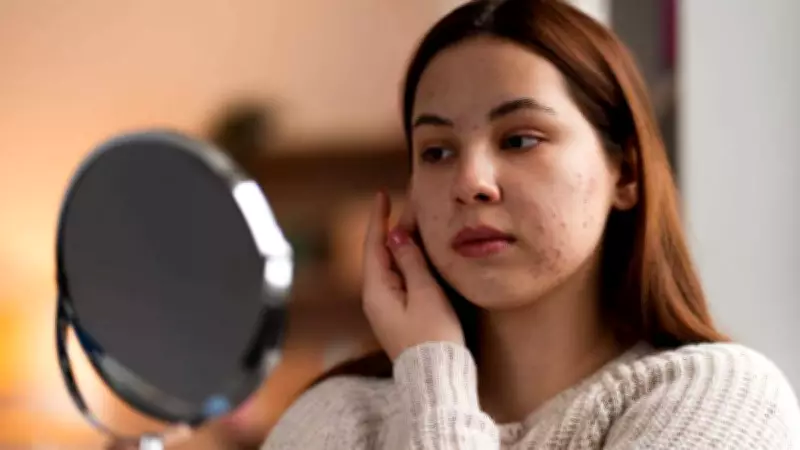
In recent years, adult acne has emerged as a significant skincare issue in India, particularly affecting individuals over the age of 25. This condition, once primarily associated with adolescence, is now increasingly prevalent among adults, leading to physical discomfort and emotional distress. The rise in cases highlights the need for greater awareness and effective management strategies tailored to this demographic.
Causes of Adult Acne in the Indian Context
Several factors contribute to the development of adult acne in India, making it a multifaceted problem. Key causes include:
- Hormonal Imbalances: Fluctuations in hormones, such as androgens, can trigger excess oil production, leading to clogged pores and breakouts. This is common during menstrual cycles, pregnancy, or conditions like polycystic ovary syndrome (PCOS).
- Stress and Lifestyle: High-stress levels, often linked to urban living and demanding work environments, can increase cortisol production, exacerbating acne. Poor sleep and unhealthy diets further aggravate the issue.
- Environmental Factors: India's high levels of air pollution and humidity can clog pores with dirt and pollutants, while exposure to harsh sunlight may worsen inflammation.
- Skincare and Cosmetic Use: Inappropriate or heavy skincare products, especially those containing comedogenic ingredients, can block pores and cause breakouts in adults.
- Genetic Predisposition: A family history of acne can increase susceptibility, making some individuals more prone to persistent adult acne.
Effective Treatment Options for Adult Acne
Managing adult acne requires a combination of medical treatments and lifestyle adjustments. Here are some proven approaches:

- Topical Treatments: Over-the-counter or prescription creams containing ingredients like benzoyl peroxide, salicylic acid, or retinoids help reduce oil and unclog pores. These are often the first line of defense for mild to moderate acne.
- Oral Medications: For more severe cases, dermatologists may prescribe antibiotics to combat bacterial infections, hormonal therapies like birth control pills, or isotretinoin for persistent acne. These should be used under medical supervision due to potential side effects.
- Professional Procedures: Treatments such as chemical peels, laser therapy, or extraction procedures can effectively reduce acne and minimize scarring, offering long-term relief for stubborn cases.
- Lifestyle Modifications: Adopting a balanced diet rich in antioxidants, managing stress through techniques like yoga or meditation, and maintaining a consistent skincare routine with non-comedogenic products are crucial for prevention and management.
- Natural Remedies: Some individuals find relief with home-based solutions, such as applying aloe vera or tea tree oil, though these should complement, not replace, medical advice for severe acne.
The Rising Trend and Future Outlook
Adult acne is becoming more common in India, with reports indicating a steady increase in cases among those over 25. This trend is attributed to changing lifestyles, environmental challenges, and greater awareness leading to more diagnoses. Experts predict that without proactive measures, the prevalence could continue to rise, underscoring the importance of early intervention and education.
In conclusion, adult acne in India is a complex issue influenced by hormonal, environmental, and lifestyle factors. By understanding the causes and exploring diverse treatment options, individuals can better manage this condition and improve their skin health. Consulting a dermatologist for personalized care is recommended for effective and safe outcomes.