

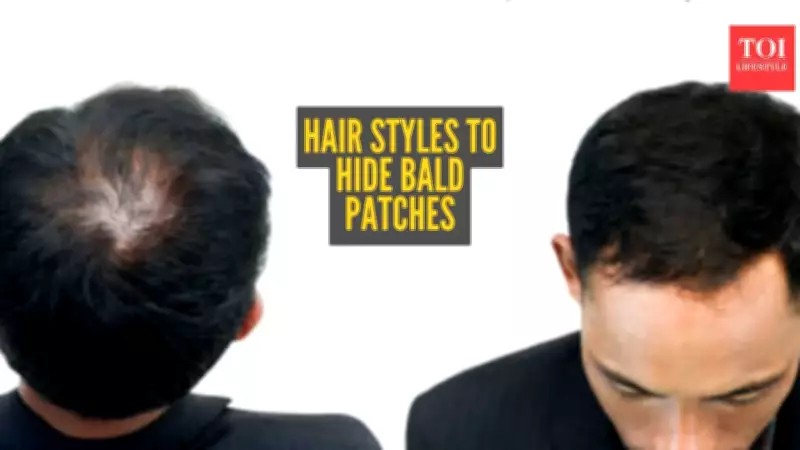
Alopecia Areata: 5 Clever Hairstyles to Gracefully Conceal Bald Patches
Hair loss is a common yet often unspoken challenge that many individuals face, particularly those dealing with alopecia areata. This condition can be incredibly stressful, especially during daily routines when styling feels impossible. However, the good news is that regaining confidence doesn't always require extreme medical interventions. Sometimes, a simple change in hairstyle or a smart styling trick can make a significant difference, instantly enhancing the appearance of your hair and uplifting your mood.
Here, we present five easy, expert-approved hairstyles designed to naturally hide thinning areas and bald patches, helping you feel more self-assured and stylish.
The Deep Side Part
Begin with the simplest and most effective technique. If your hair is thinning around the center part or on one side, switching to a deep side part can work wonders. This quick and effortless method involves flipping a larger section of hair across your head, providing immediate coverage where needed. It also creates the illusion of fuller, thicker hair, making it a go-to solution for many.

Pro tip: Apply a texturizing spray at the roots before flipping your hair. This adds lift and prevents flattening throughout the day, ensuring your style stays voluminous and effective.
The Textured Pixie Cut
For those experiencing overall thinning or multiple small patches, opting for a shorter hairstyle can be surprisingly beneficial. A textured pixie cut reduces the contrast between your scalp and hair, making sparse areas less noticeable. When styled with layers, the hair falls in various directions, naturally concealing bald spots. This modern and stylish cut is also incredibly easy to manage on a daily basis, offering both practicality and confidence.
The Messy Top Knot or Low Chignon
On hectic mornings, these hairstyles are perfect solutions. If thinning occurs around the crown, a messy top knot works beautifully, while a low chignon is ideal for patches near the nape of the neck. The key is to keep the style loose; tight hairstyles can pull on hair roots and exacerbate thinning. A relaxed bun with a few loose strands framing your face looks softer and more natural, effectively hiding problem areas without causing further damage.
The Half-Up, Half-Down Style
This classic hairstyle remains popular for a good reason. If you have thinning at the back of your head or just below the crown, the half-up, half-down style acts as a natural cover. By tying up the top section, the remaining hair cascades over the areas you wish to conceal. This gives the appearance of open, flowing hair while discreetly masking bald patches, combining elegance with functionality.
The Blunt Bob or Lob
Contrary to popular belief, layers don't always add volume; in fact, they can sometimes make thinning hair look even sparser. If your hair is thinning at the ends or sides, a blunt bob or a slightly longer lob (long bob) creates a clean, solid edge that enhances the look of thickness and health. This straightforward yet effective style helps balance uneven density, making your hair appear fuller and more vibrant.
Quick Styling Hacks to Enhance Your Look
Incorporate these small tweaks to elevate your hairstyle and boost coverage:
- Use root concealers: Hair powders, sprays, or fibers can instantly fill in visible scalp areas, providing a seamless look.
- Avoid tight styles: Steer clear of tight ponytails or braids that strain the hairline and worsen hair loss.
- Try accessories: Headbands, scarves, or hats offer an easy way to cover patches while adding a touch of personal style.
Final Thoughts
Managing hair thinning due to alopecia areata is undoubtedly challenging, but it doesn't have to leave you feeling helpless. The right hairstyle can transform not only how your hair looks but also how you feel when stepping out the door. That boost in confidence can be everything. Remember, it's not about hiding your condition; it's about working intelligently with what you have to present your best self to the world.

