

Beauty is one of those subjects people never seem to stop discussing. Each generation holds its own standards of attractiveness. A hairstyle admired in one decade may become a source of amusement in the next. Fashion evolves, makeup trends shift, and even ideas about confidence and self-expression transform over time.
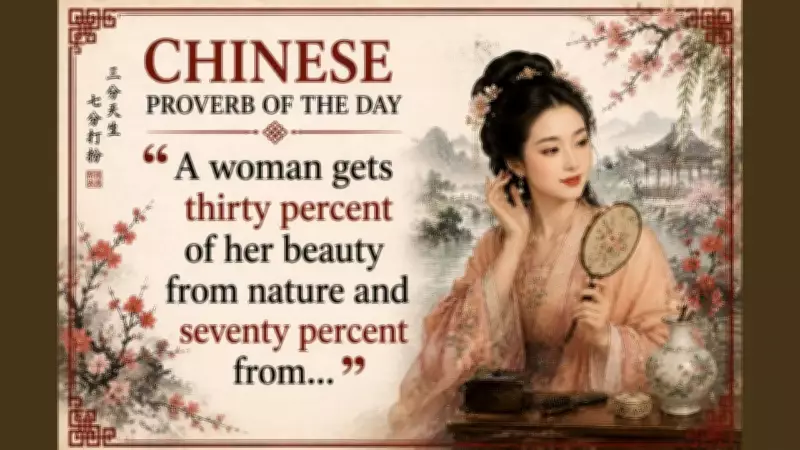
This is partly why ancient proverbs about beauty remain so compelling. They provide a window into how earlier societies perceived appearance and its role in daily life. One Chinese proverb states it quite directly: "A woman gets thirty percent of her beauty from nature and seventy percent from makeup."
The numbers are not meant to be taken literally; no one calculated beauty percentages with a ruler. Yet the saying endures because it addresses a question still debated today: How much of appearance is innate, and how much is cultivated? The answer may vary depending on whom you ask. Nevertheless, the proverb opens a broader conversation about beauty, confidence, self-presentation, and how individuals shape the way they are perceived by the world.

Meaning Behind the Chinese Proverb
The first thing many notice about this proverb is its assertiveness. It does not hesitate or leave room for debate; it simply presents a percentage and moves on, as if the matter is settled. This directness contributes to its memorability.
Of course, the proverb is not attempting to provide a mathematical formula for attractiveness. The figures serve a purpose: to convey that appearance is not solely determined by nature. Effort plays a significant role. Consider how often people transform their looks through everyday routines. A haircut can dramatically alter someone's appearance. The right clothing can shape first impressions. Good posture can enhance perceived confidence. Makeup is just one piece of a larger puzzle.
In this sense, the proverb seems less focused on cosmetics and more on preparation. It suggests that beauty is not simply something one is born with; it is also something actively shaped. This idea has existed for centuries. Long before social media influencers and beauty tutorials, people found ways to enhance their appearance. Ancient civilizations used powders, perfumes, oils, and pigments. Historical records from around the world show that beauty treatments have been experimented with for thousands of years. The tools changed, but the impulse remained remarkably similar: people have always wanted to present the best version of themselves.
Perhaps this is why the old proverb continues to attract attention. Beneath its reference to makeup lies a broader observation about human nature. Most people desire some degree of control over how they appear to others—not because appearance is everything, but because it has always been part of how people communicate identity, status, personality, and confidence.
Beauty Is Rarely Just About Physical Features
One reason the proverb still sparks discussion is that modern ideas about beauty have become much more complex. Ask ten people what makes someone attractive, and you will likely receive ten different answers. Some will mention facial features, others confidence, and still others humor, intelligence, kindness, or personal style. This variety makes beauty difficult to define. Most people have met individuals who seemed ordinary at first but became far more attractive once their personality emerged. The opposite can also happen: someone may possess conventionally attractive features yet leave little lasting impression because something else feels missing.
Beauty often works this way—it shifts, changes, and depends on context. This reality makes the proverb more intriguing than it first appears. The saying may mention makeup, but the larger theme is effort: how much people invest in themselves, how they choose to present themselves, and how they carry themselves through the world. These factors influence perception more than many realize.
The Relationship Between Confidence and Appearance
Perhaps the most fascinating aspect of beauty is the interplay between confidence and appearance. When people feel good about how they look, they often behave differently—they stand taller, smile more, and engage more comfortably in conversation. Others notice, not necessarily because the person's features changed overnight, but because confidence tends to be visible.

Researchers have spent years examining the connection between self-image and social behavior. While appearance alone does not determine confidence, the two often interact in subtle ways. This interaction may explain why beauty routines remain popular across cultures. For some individuals, makeup is an artistic expression; for others, it is simply part of getting ready for the day; for others still, it is rarely used. The choices differ, but the desire to feel comfortable in one's own skin seems almost universal. And that desire may be closer to the heart of this proverb than the actual percentages themselves.
