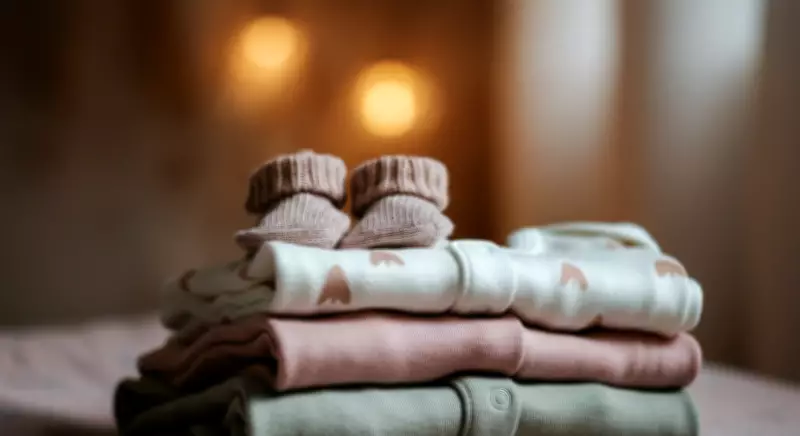
The Complete Guide to Washing Baby Clothes Without Causing Skin Irritation
Baby garments appear tiny and adorable, but their cleaning presents more complexity than most parents anticipate. While maintaining hygiene remains a primary concern, the true challenge lies in preserving fabrics that remain gentle against an infant's delicate skin. A single misstep in laundry care can lead to unnoticed irritation for your baby. However, with established routines, you can ensure your baby's clothing stays clean, comfortable, and minimally harmful.
Pre-Wash Preparation and Detergent Selection
One of the most critical steps occurs before your baby ever wears new clothing. Experts strongly recommend washing store-bought clothes immediately, as manufacturing chemicals can adversely affect sensitive infant skin. The choice of cleaning agent proves equally vital. Opt for mild, fragrance-free detergents specifically formulated for babies. These products demonstrate high effectiveness while avoiding harsh substances that cling to fabrics, causing stiffness and skin irritation.
Special infant detergents are engineered to rinse completely from materials without leaving heavy residues. Research published in Pediatric Dermatology confirms that fragrances and chemical residues rank among the most common triggers for childhood skin irritation, particularly contact dermatitis in sensitive skin.

Optimal Washing Techniques and Temperature Control
Sorting laundry provides more benefits than many realize. Washing baby items separately reduces exposure to dirt and detergent from other laundry while giving delicate fabrics adequate space for thorough cleaning without excessive wear. Heavily soiled articles like bibs or cloth diapers should receive individual washing cycles to ensure proper cleanliness.
Water temperature and cycle selection represent additional crucial factors. For most baby laundry, cool or warm water suffices, paired with gentle wash cycles that minimize friction and preserve fabric softness. According to appliance manufacturer Whirlpool and detergent brand Persil, hot water and aggressive cycles can degrade fiber quality over time. Air drying or low-heat machine drying is recommended, alongside regular washing machine maintenance to prevent soap scum buildup.
Stain Treatment, Drying Methods, and Ongoing Maintenance
Stains inevitably occur with baby clothing. Address them promptly using cold water for easier removal. For tougher stains, apply mild detergent without vigorous rubbing. While strong chemicals and bleach might seem like quick solutions, they can damage fabrics and irritate skin. Gentler approaches, though sometimes slower, keep clothing safer for regular use.
Drying methodology deserves careful consideration. Air drying remains the safest option, maintaining softness while preventing shrinkage. When using a dryer, select low-temperature settings and exercise caution with fabric softeners and dryer sheets, which can leave irritating residues. Sometimes omitting these products entirely makes a significant difference.
Fabric care extends to washing techniques. Hand washing in cold water prevents stretching and felting, while gentle squeezing rather than wringing removes excess water effectively. Regular washing machine cleaning, though often overlooked, ensures hygienic laundry results by eliminating microbial buildup. A study in Applied and Environmental Microbiology titled "Household microbial contamination and laundry hygiene" confirms that unmaintained washing machines can harbor harmful microbes.
Developing Sustainable Laundry Habits
Baby clothes washing need not feel overwhelming. The process distills to consistent habits: selecting gentle products, cleaning with care, and monitoring fabric texture post-wash. Over time, parents recognize what works best for their baby's development. Clothing becomes softer, skin irritation decreases, and the entire process transforms from stressful chore to peaceful routine.
As organizations like Enfamil and Care.com emphasize, perfection isn't required—just regularity. Once established, these practices become automatic, contributing significantly to infant wellbeing without constant attention. The initial careful effort evolves into normalcy, ensuring your baby's comfort through every wearing.