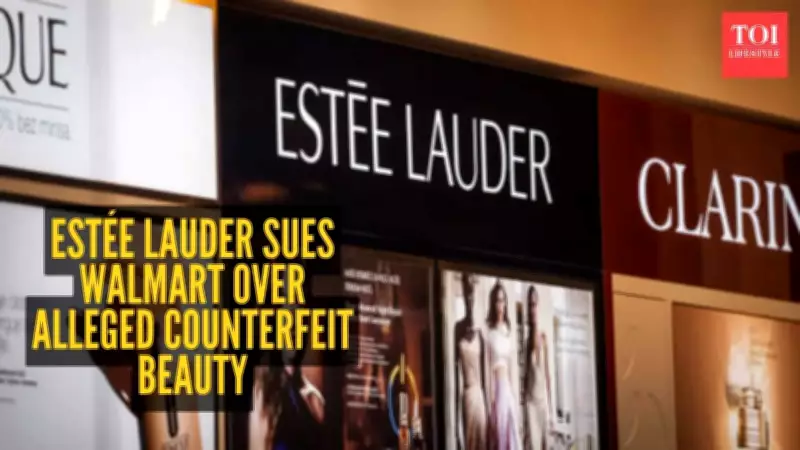
Estée Lauder Files Federal Lawsuit Against Walmart Over Alleged Counterfeit Beauty Products
The beauty industry has long grappled with counterfeit issues, but the problem has now escalated into a major legal battle. Estée Lauder has initiated a federal lawsuit against retail giant Walmart, alleging that consumers may have inadvertently purchased fake luxury beauty products through Walmart's online marketplace. This case highlights significant concerns about product authenticity and consumer safety in the digital shopping era.
Details of the Allegations and Products Involved
According to the legal filing, Estée Lauder conducted tests on several items purchased directly from Walmart's website, revealing that many were allegedly counterfeit despite bearing original branding. The complaint specifically identifies imitations of high-end products, including the Estée Lauder Advanced Night Repair serum, Le Labo perfumes, Clinique eye creams, La Mer moisturizers, Aveda hair tools, and Tom Ford fragrances. These are skincare and fragrance staples that consumers often save up for, making the allegations particularly impactful.
The brand argues that these counterfeit products utilized official trademarks and packaging styles, which could easily mislead customers into believing they were authentic. This deception not only affects consumer trust but also poses potential risks, as fake formulations can cause skin irritation, breakouts, or simply fail to deliver the promised benefits.

Implications for Shoppers and Online Marketplaces
Online marketplaces operate differently from traditional brick-and-mortar stores, often allowing third-party sellers to list products while the platform acts as a host. This convenience, however, can create loopholes for counterfeit goods to slip through. In the lawsuit, Estée Lauder claims that Walmart did not implement sufficient measures to ensure only authorized sellers were offering these items. As a result, customers might have paid premium prices for products that were not genuine, undermining both value and safety.
The authenticity of beauty products is not merely a matter of prestige; it is crucial for consumer health. Counterfeit items may contain harmful ingredients or lack the efficacy of the original formulas, leading to adverse effects. This case underscores the growing challenge of verifying product authenticity as more consumers shift to online shopping instead of purchasing from physical counters.
Legal Demands and Responses from the Parties
Estée Lauder is seeking monetary damages, though the exact amount has not been specified, and a court order to prevent further sales of the alleged counterfeit products. In essence, the company aims for compensation and a halt to the problematic listings.
In response, a Walmart spokesperson stated that the company is aware of the lawsuit and maintains a strict no-counterfeit policy. The retailer added that it will address the matter through the legal process once formally served. Estée Lauder has not provided additional public comments at this time, leaving the legal proceedings to unfold.
Broader Context and Potential Precedents
The luxury beauty sector exists in a unique position today, where high demand and premium prices inevitably attract knockoffs. This lawsuit could set an important precedent by clarifying responsibility when counterfeit products appear on online marketplaces—whether it lies with the individual seller or the platform itself. For now, it serves as a stark reminder for beauty enthusiasts: sometimes, an online deal may not be a bargain at all, especially when the product costs as much as a small appliance.