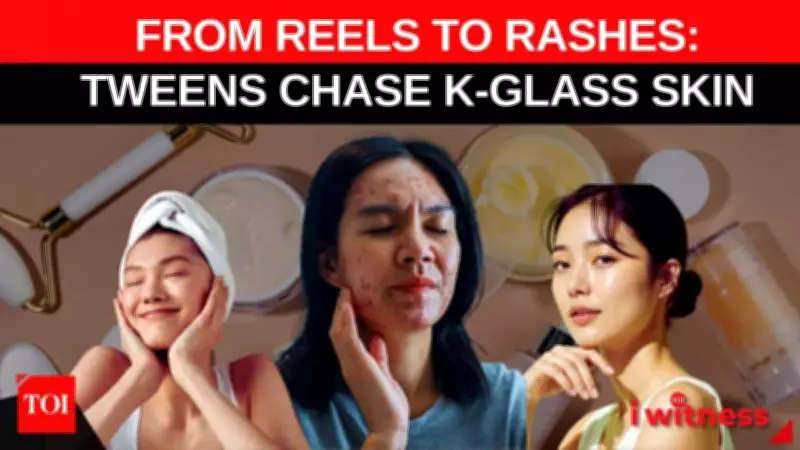
The Glass Skin Obsession: How K-Beauty Trends Are Impacting Tweens and Teens
The pursuit of Korean glass skin has rapidly evolved from a niche beauty trend into a widespread cultural phenomenon that's captivating not just adults but increasingly younger audiences. What began as a skincare ideal has transformed into a growing obsession among tweens and teens, creating new challenges for parents and healthcare professionals alike.
The Driving Forces Behind the Trend
Multiple factors are converging to make glass skin an aspirational goal for young people. The influence of K-pop culture cannot be overstated, with global superstars showcasing seemingly perfect complexions that fans desperately want to emulate. Social media platforms amplify this effect through filters that create flawless skin illusions, while influencer marketing aggressively promotes multi-step skincare routines specifically designed to achieve that coveted glass-like appearance.
Dermatologists are noticing a significant shift in their practices, with younger patients requesting treatments and products to achieve unrealistic skin standards. The heavily edited visuals circulating online create expectations that real skin cannot possibly meet, leading to potential psychological and dermatological consequences.

Parental Concerns and Professional Perspectives
Parents are increasingly worried about how this beauty craze is affecting their children's self-image and mental health. The pressure to maintain extensive skincare regimens can be overwhelming for young people, both financially and emotionally. Many parents report their tweens spending significant portions of their allowance on expensive Korean skincare products, often without understanding proper usage or potential side effects.
From a medical standpoint, dermatologists emphasize that glass skin represents an edited ideal rather than a realistic goal. The multi-step routines promoted online often include products that may be too harsh for developing skin, potentially causing irritation, allergic reactions, or long-term damage. Professionals caution against adopting complex regimens without proper guidance, especially for younger skin that requires gentler care.
The Marketing Machine Targeting Youth
Aggressive marketing strategies specifically designed to appeal to younger audiences have accelerated this trend. Beauty brands leverage social media platforms where tweens and teens spend significant time, using influencers who appear relatable while promoting products that promise transformative results. This creates a cycle where young consumers feel pressured to purchase numerous products to achieve an unattainable standard.
The financial implications are substantial, with families reporting increased spending on skincare products for children as young as ten or eleven. Beyond the economic impact, there are concerns about how this trend affects developing self-esteem and body image during crucial formative years.
Finding Balance in Beauty Standards
As the glass skin craze continues to grow, experts recommend several approaches for healthier engagement with beauty trends:
- Education about realistic expectations: Teaching young people about photo editing, filters, and the difference between social media portrayals and reality
- Age-appropriate skincare: Emphasizing simple, gentle routines suitable for developing skin rather than complex multi-step regimens
- Focus on skin health over perfection: Shifting the conversation from achieving flawless appearance to maintaining healthy skin
- Open communication: Encouraging discussions between parents and children about beauty standards, marketing tactics, and self-image
The glass skin phenomenon represents more than just a passing beauty trend—it's become a cultural force with significant implications for young people's psychological wellbeing and dermatological health. As K-beauty continues to influence global standards, finding balanced approaches that prioritize health over unattainable ideals becomes increasingly important for families and professionals working with youth.